Virginia’s Revolutionary Conventions
There was nothing new for the people of Williamsburg to see as a group of gentlemen made their way to the Capitol building on the morning of August 1. For decades, legislators had met at the eastern end of town. It was routine. Even mundane. In August 1774, the same group of people gathered in the same place. But despite all outward appearances, this meeting was dramatically different.
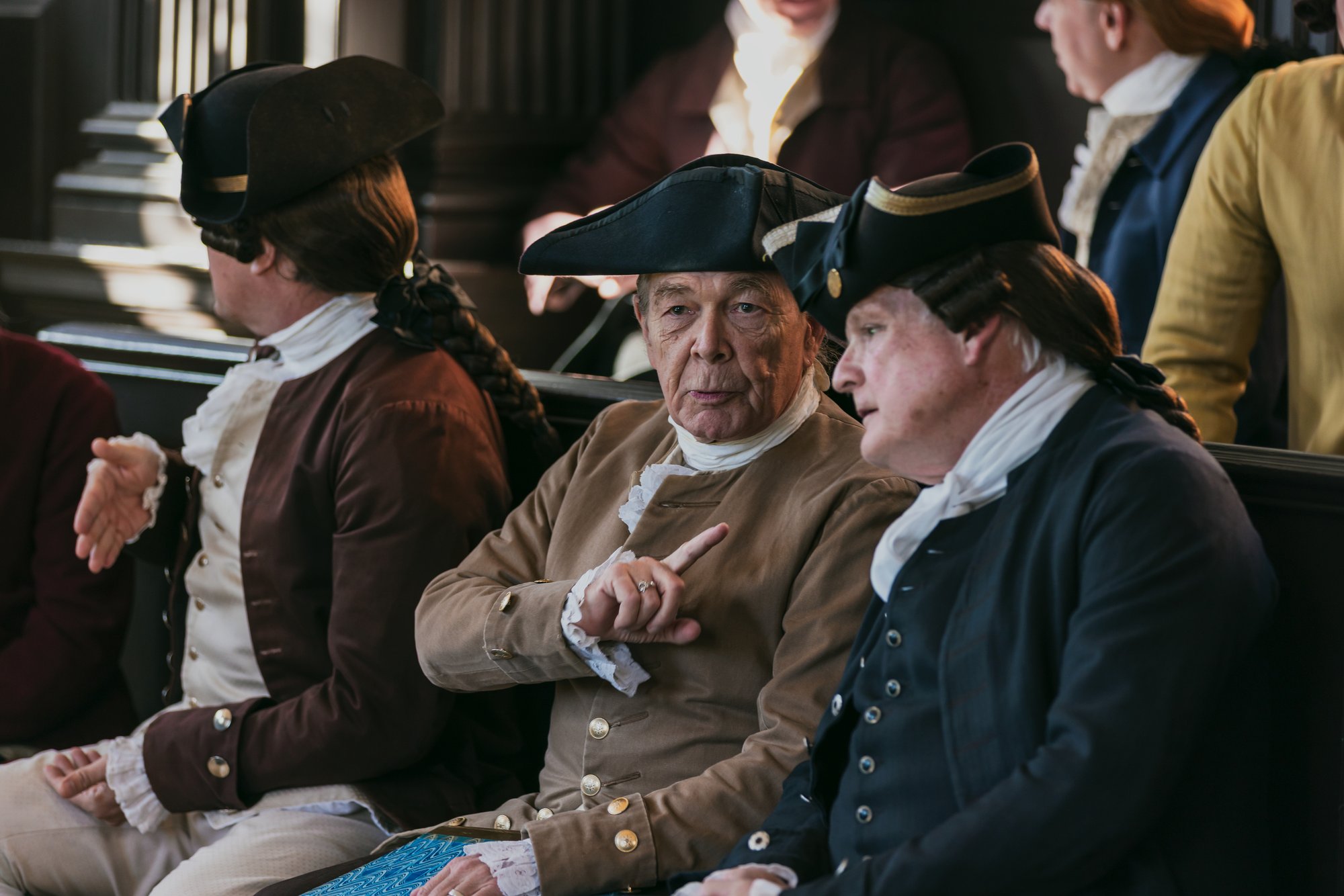
This was not a session of the House of Burgesses, Virginia’s legislative body. It was a convention. An unauthorized meeting with no formal lawmaking capacity, it was created to manage the affairs of Britain’s largest colony during the ongoing imperial crisis.1 The conventions mirrored the electoral and parliamentary procedures of the House of Burgesses, which lent legitimacy to these unsanctioned meetings. Over the next two years, Virginia's revolutionary conventions became Virginia’s governing body and drove Virginia, and the nation, toward independence.
The First Virginia Convention
- August 1-6, 1774
- Capitol Building, Williamsburg
Calling for the First Virginia Convention was an act of defiance. Governor Dunmore had dissolved the House of Burgesses to punish it for protesting the Coercive Acts. One outcome of Dunmore’s dissolution was that a group of Burgesses called for a meeting of elected representatives, unauthorized by the royal government, in Williamsburg beginning August 1.2
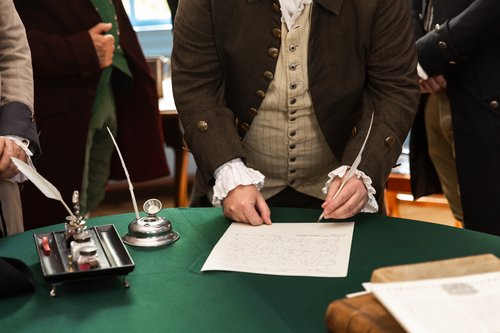
At the First Virginia Convention, delegates responded to British overreach by adopting the Virginia Association, a plan for non-importation, and eventually non-exportation, intended to pressure Britain to repeal its taxes. They also created local committees to enforce the agreement.3
The convention had no legal authority, and so they had no official means of enforcing the boycott. But they authorized local committees to publicly name offenders, and they would “thereafter consider such Person or Persons as inimical to this Country, and break off every Connection and all Dealings with them.”4 In the absence of a legal means of enforcement, they turned to social pressure.
The First Virginia Convention
Learn more about the key players at the First Virginia Convention and the actions they took.
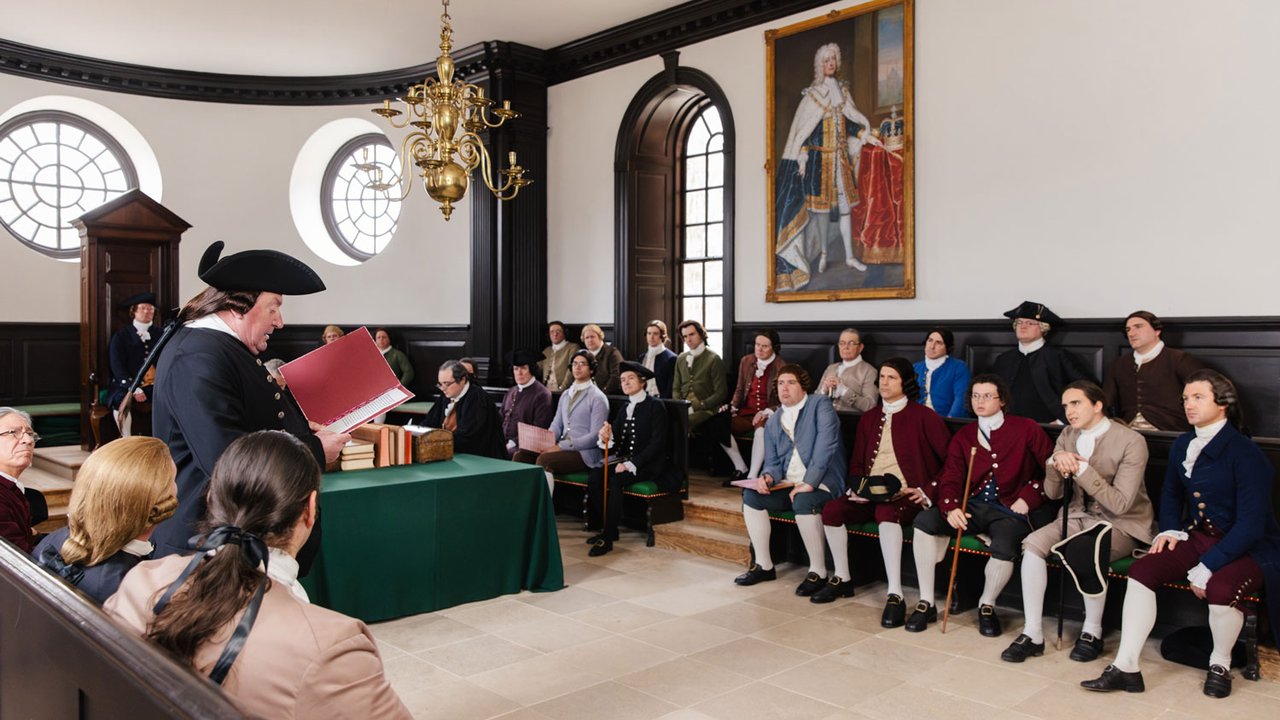
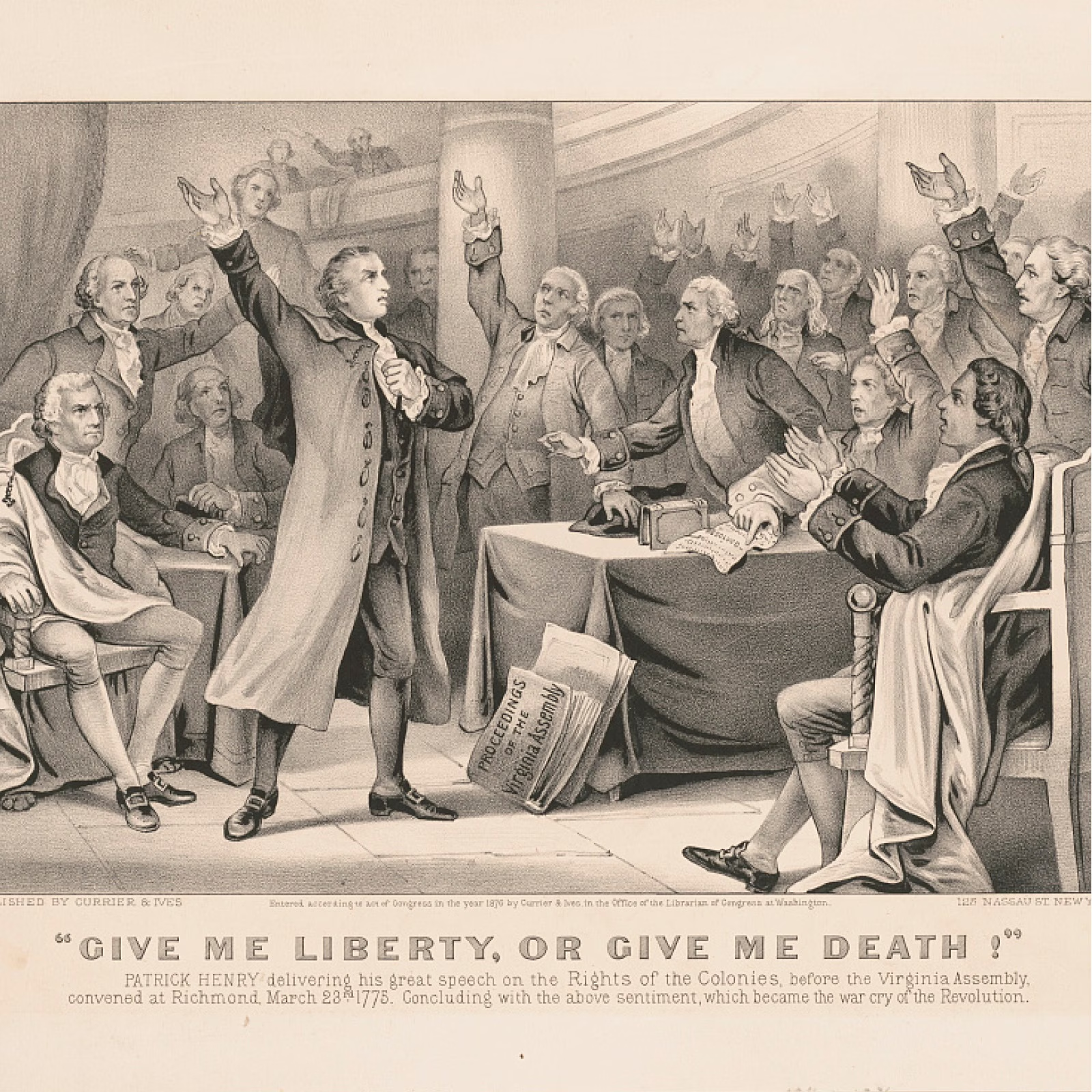
Patrick Henry delivered his famous “Give Me Liberty Or Give Me Death” speech at the Second Convention. Image: Library of Congress.
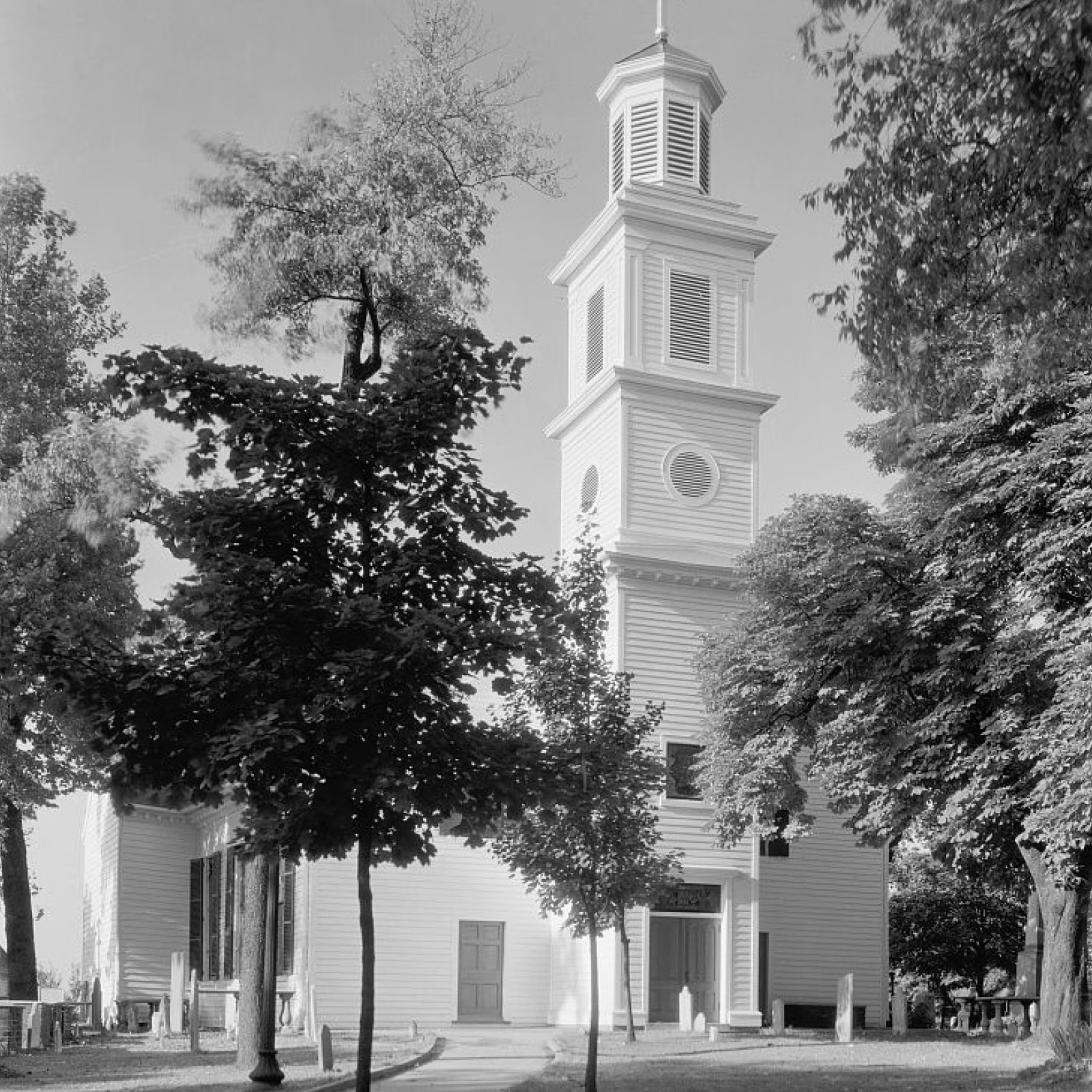
The Second, Third, and Fourth Conventions all met at St. John’s Church in Richmond. Image: Library of Congress.
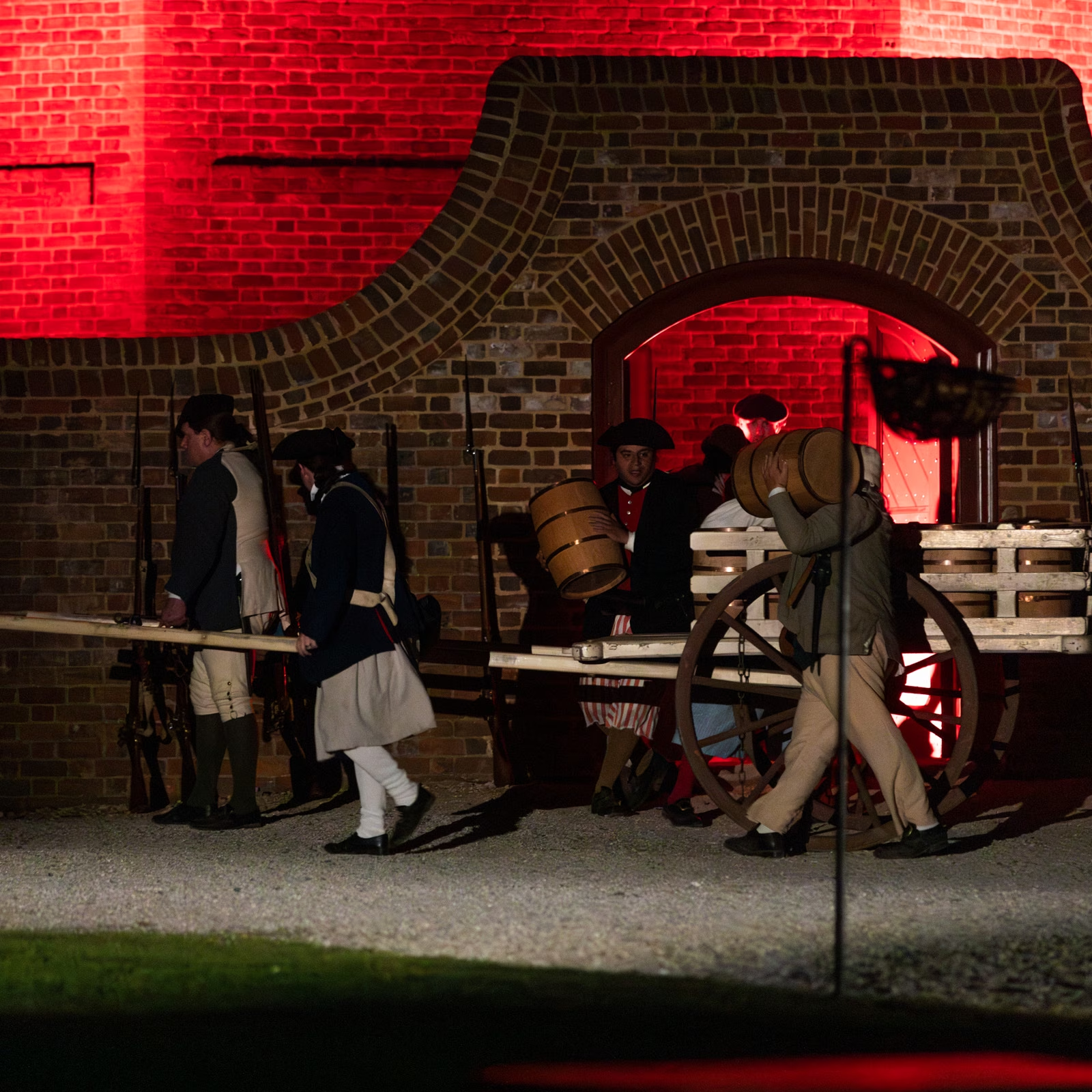
Between the second and third conventions, the Gunpowder Incident led to the collapse of royal government in Virginia.
The Second through Fourth Conventions
In 1775, royal government collapsed in Virginia. After Governor Dunmore fled to Norfolk and threatened to bombard the city the Virginia Conventions became responsible for governing and defending the colony. What began as an unofficial meeting became Virginia’s governing body.
The Fifth Virginia Convention
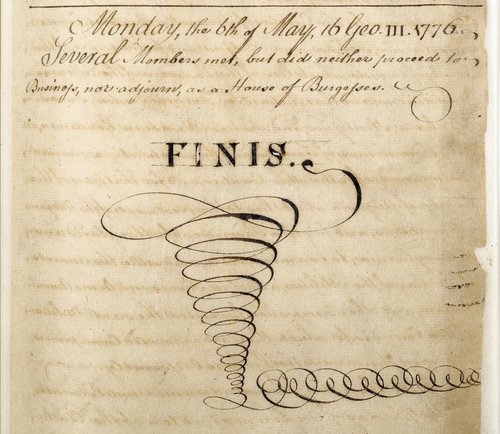
Final Meeting of the House of Burgesses, 1776. Library of Virginia.
- May 5-July 6, 1776
- Capitol Building, Williamsburg
By the time the Fifth Virginia Convention met in May 1776, many Virginians had abandoned their hopes of reconciliation and come to believe that independence was the only path forward. Just before the convention began, a final meeting of the House of Burgesses, which had met intermittently after being dissolved by Governor Dunmore in 1774, voted to “let that body die.” The secretary ended the Journal of the House of Burgesses with the word “FINIS.” Virginians were one step closer to separating themselves from Great Britain.14
The business of the Fifth Virginia Convention resembled that of previous conventions. But the real work began two weeks into the convention, when they took up the question of independence. After two days of debate, they passed a resolution instructing their delegates to the Continental Congress to propose independence and creating a committee to author a constitution for Virginia and a Declaration of Rights.15
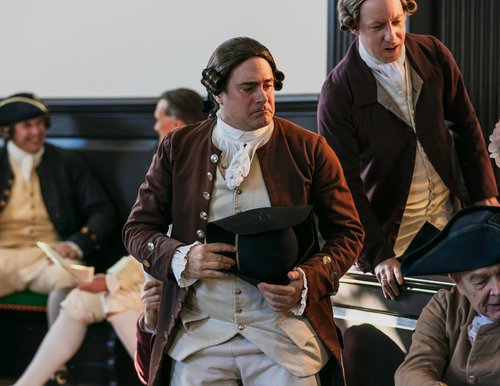
Through these actions, Virginia set independence in motion. Virginia delegate to the Continental Congress Richard Henry Lee brought a resolution on independence on June 7, which prompted the creation of a committee to draft a declaration of independence.16
Virginia also made itself independent by adopting a Virginia Constitution and appointing Patrick Henry as governor. The Fifth Virginia Convention would be the last Virginia Convention, and would be replaced by an Assembly authorized by Virginia’s new constitution.
The Virginia Conventions formed a bridge between colonial and state governments. As British government in Virginia collapsed, Virginians had to ask themselves: under what authority could a new government form? While relying on the traditions and practices they had used for centuries, Virginians forged a path forward for themselves and a new nation.
Learn More
The Road to Independence
The Virginia Conventions were part of a years-long road to independence.
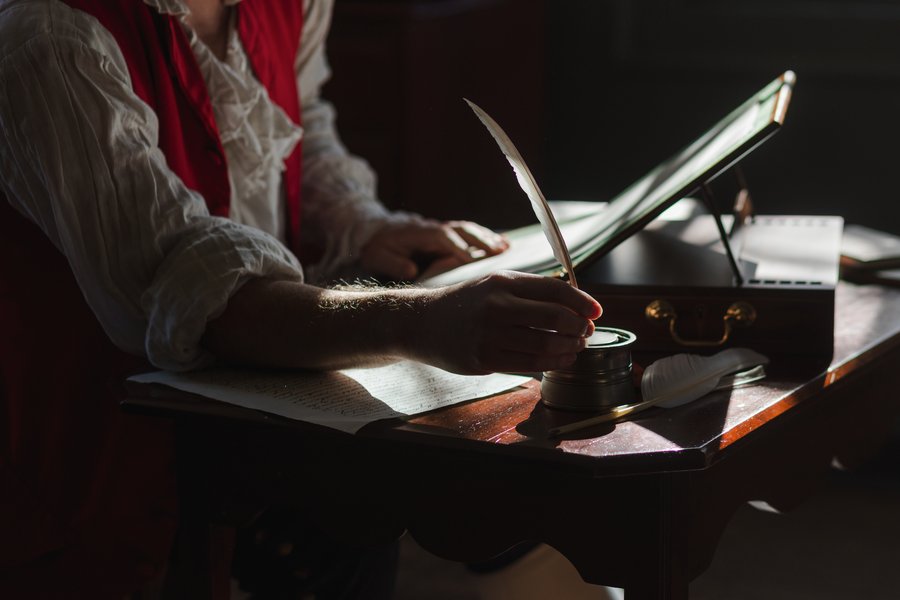
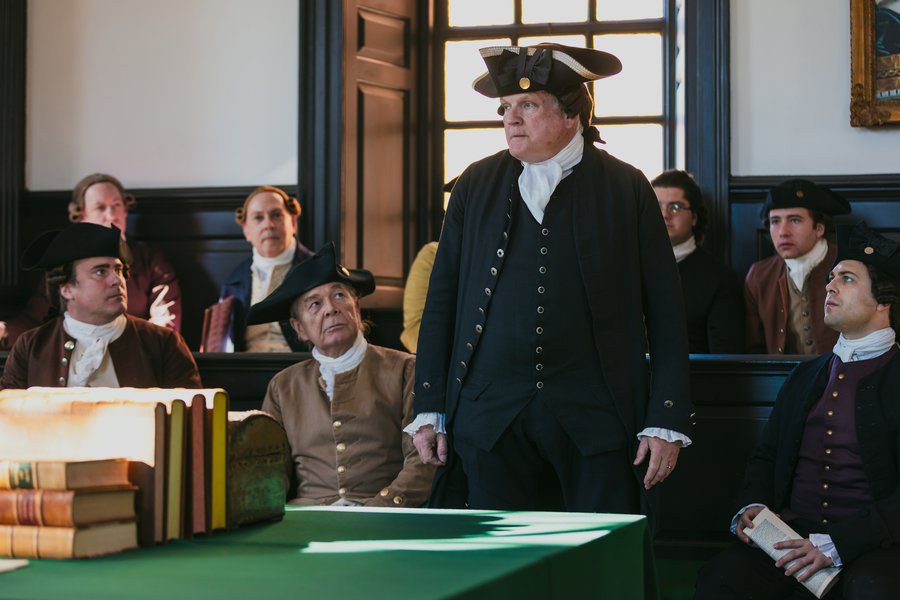
Robert Carter Nicholas
As a moderate patriot, Nicholas was the sole delegate at the Fifth Virginia Convention to push back on independence, worrying that Virginia was not strong enough to defend itself against Great Britain.
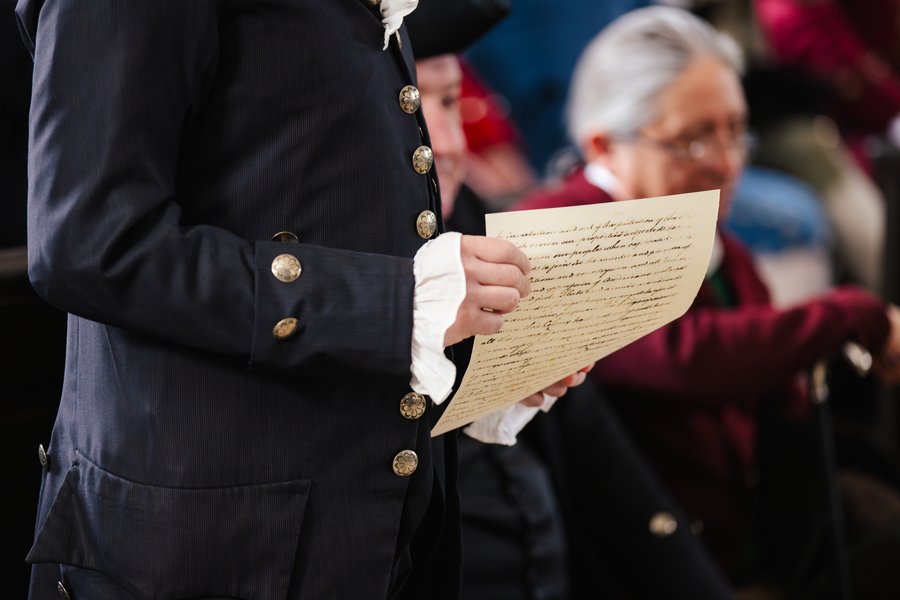
Revolutionary Documents
The United States is one of the first nations in the world with a rich, well-preserved record of its birth. What can these documents tell us?
Sources
- John E. Selby, The Revolution in Virginia, 1775–1783 (Williamsburg: Colonial Williamsburg Foundation, 1988), 9.
- Selby, The Revolution in Virginia, 8-9.
- Robert L. Scribner, ed., Revolutionary Virginia: The Road to Independence, Vol. 1, Forming Thunderclouds and the First Convention, 1763–1774 (University Press of Virginia, 1973), 231.
- “Convention Association,” in Scribner, ed., Revolutionary Virginia, vol. 1, 234.
- Proceedings of the Second Virginia Convention, in Robert L. Scribner, ed., Revolutionary Virginia: The Road to Independence, Vol. 2, The Committees and the Second Convention, 1773-1775 ( University Press of Virginia, 1975), 347-381.
- Scribner, ed., Revolutionary Virginia, vol. 2, 366.
- Quoted in Scribner, ed., Revolutionary Virginia, vol 2, 369.
- William Wirt, Sketches of the Life and Character of Patrick Henry (James Webster, 1817), 123.
- Robert L. Scribner, ed., Revolutionary Virginia: The Road to Independence, Vol. 3, The Breaking Storm and the Third Convention, 1775 (University Press of Virginia, 1977), 313-497.
- Selby, The Revolution in Virginia, 49-54.
- Selby, The Revolution in Virginia, 64-66, 70-74.
- Robert L. Scribner, ed., Revolutionary Virginia: The Road to Independence, Vol. 4, The Class of Arms and the Fourth Convention, 1775-1776 (University Press of Virginia, 1979), Selby, The Revolution in Virginia, 399, 406, 423.
- Selby, The Revolution in Virginia, 76-79.
- “Final Meeting of the House of Burgesses (“Finis” Document), May 6, 1776,” Library of Virginia, link.
- Resolutions of the Virginia Convention Calling for Independence, May 15, 1776, in David John Mays, The Letters and Papers of Edmund Pendleton, 1734-1803 (University Press of Virginia, 1967), 178-179.
- Journals of the Continental Congress, 1774–1789, Vol. 5, 1776, June 5–October 8 (Government Printing Office, 1906), 425, link.