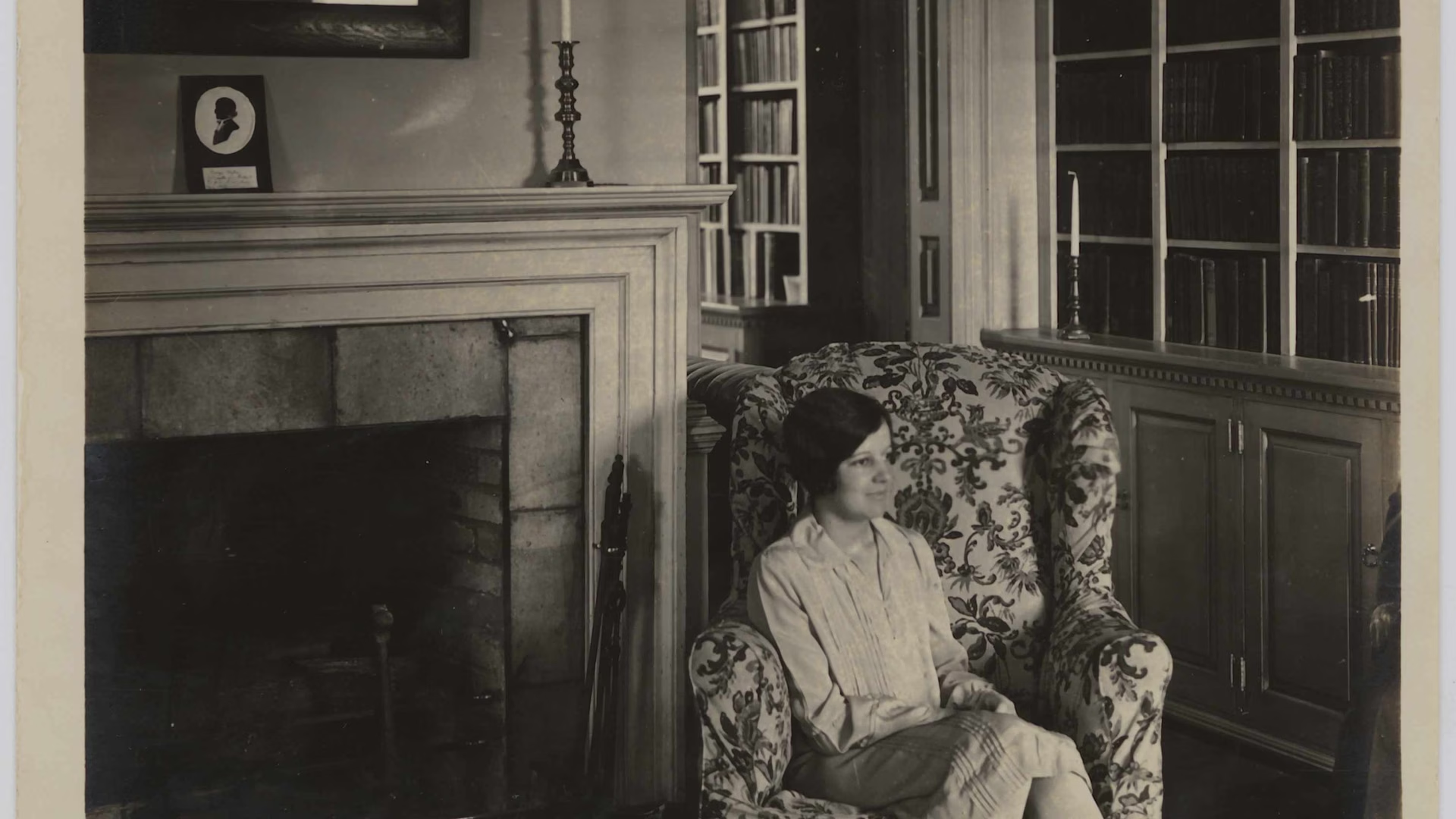

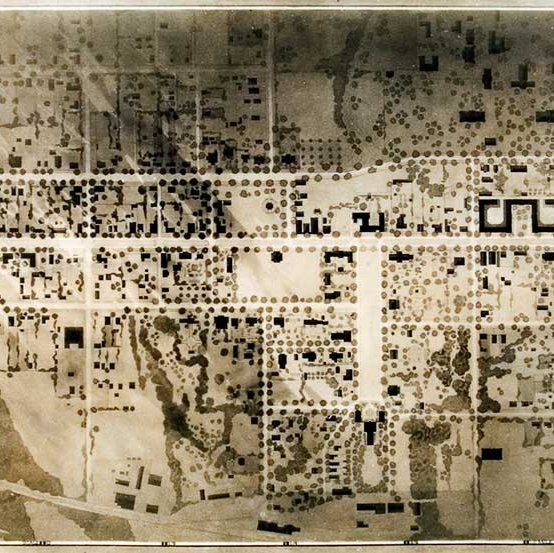
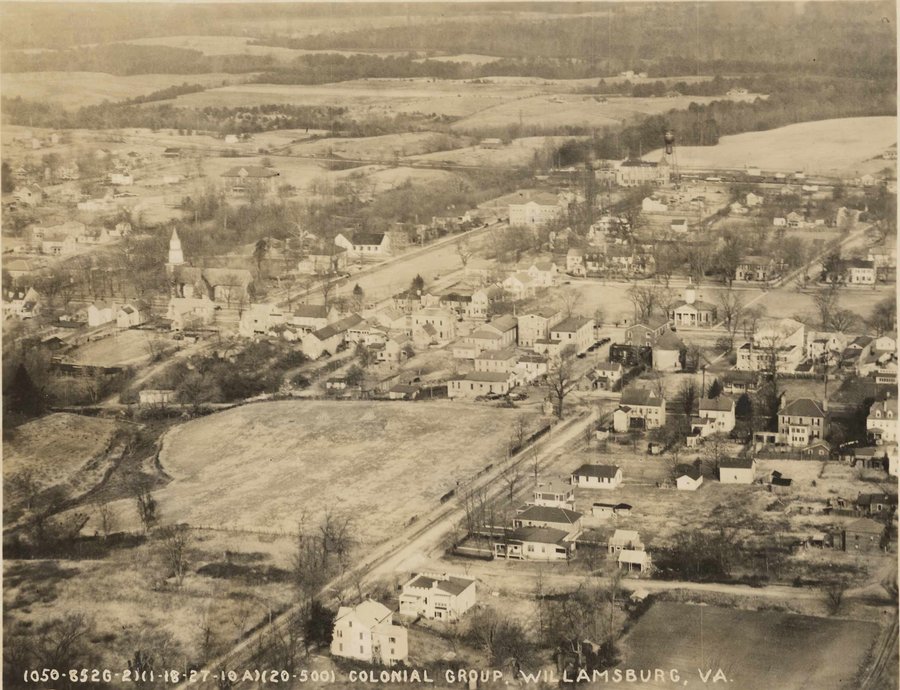
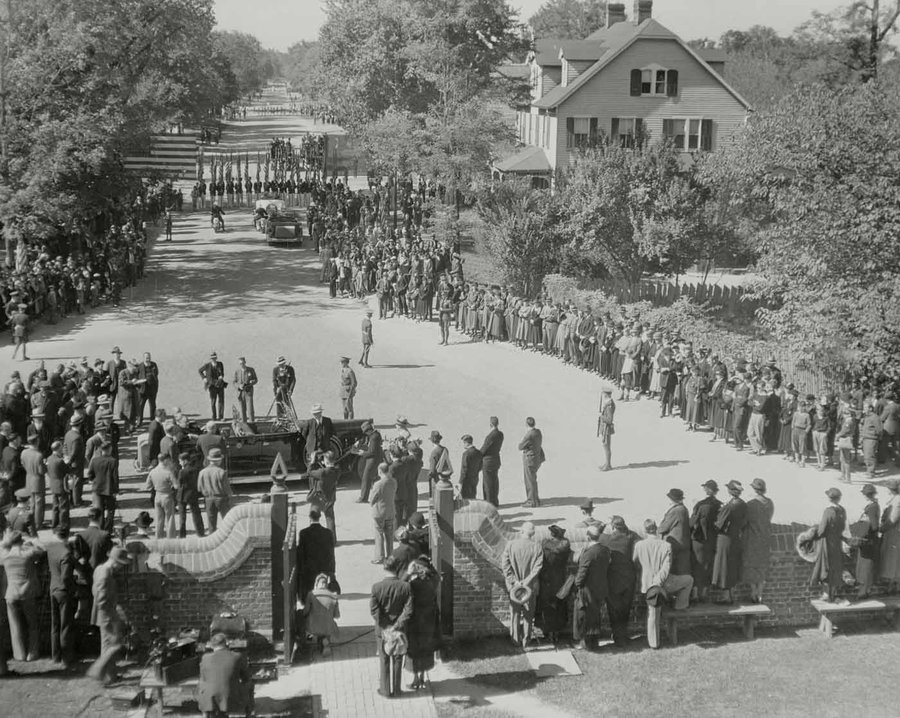
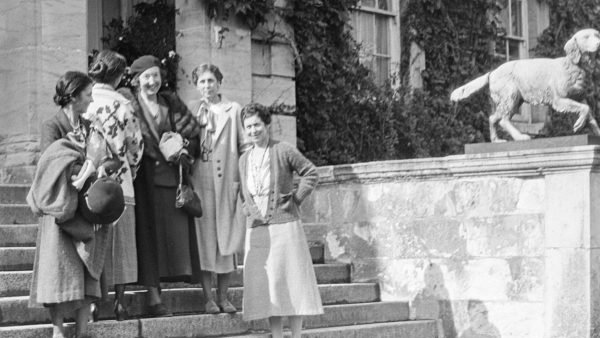
While an all-male Advisory Committee of Architects periodically visited Williamsburg to critique the progress of architectural restoration work in the 1930s, a group of female counterparts also played a role in guiding the decision-making process, particularly regarding interior décor and furnishings.
The Restoration
Moments in History
Moments in Colonial Williamsburg's History
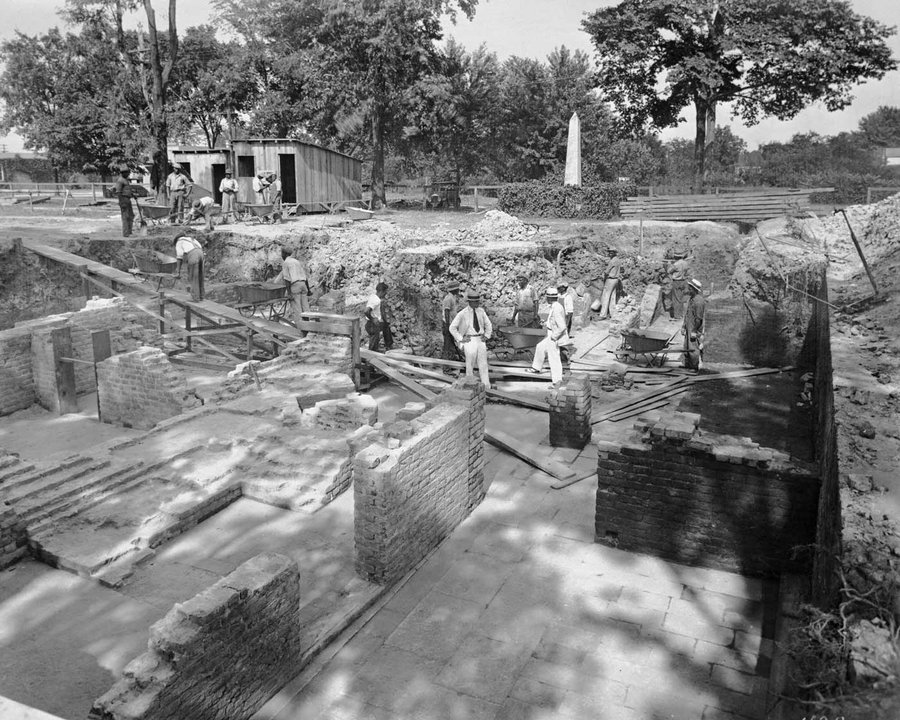
Restoring Williamsburg
How do you rebuild an eighteenth-century city? The audacious effort to restore Williamsburg, led by W. A. R. Goodwin and John D. Rockefeller Jr., began a century of research, discovery, and storytelling.
People of Our Past
Explore the stories of the men and women who have spent decades bringing eighteenth-century Williamsburg alive.
November 1927 Restoration Planning Meeting
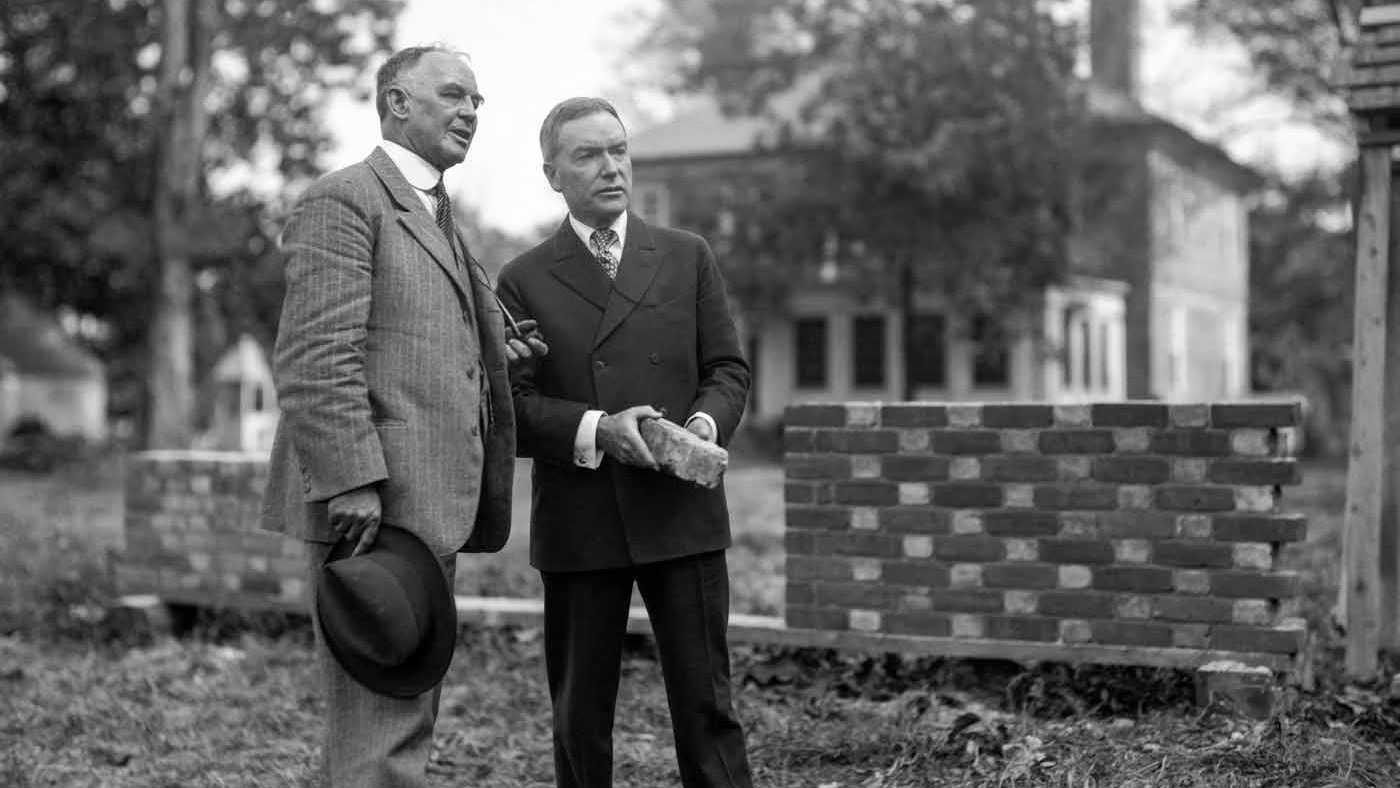
On November 21, 1927, a pivotal meeting was held between John D. Rockefeller Jr. and Dr. W.A.R. Goodwin at the Vanderbilt Hotel in New York City. As a result of the meeting, Mr. Rockefeller sent a letter to Dr. Goodwin on November 29, 1927, and in excerpts dated November 30, 1927, in which he expressed a commitment “…to carry out this enterprise completely and entirely.”

Restoring Buildings
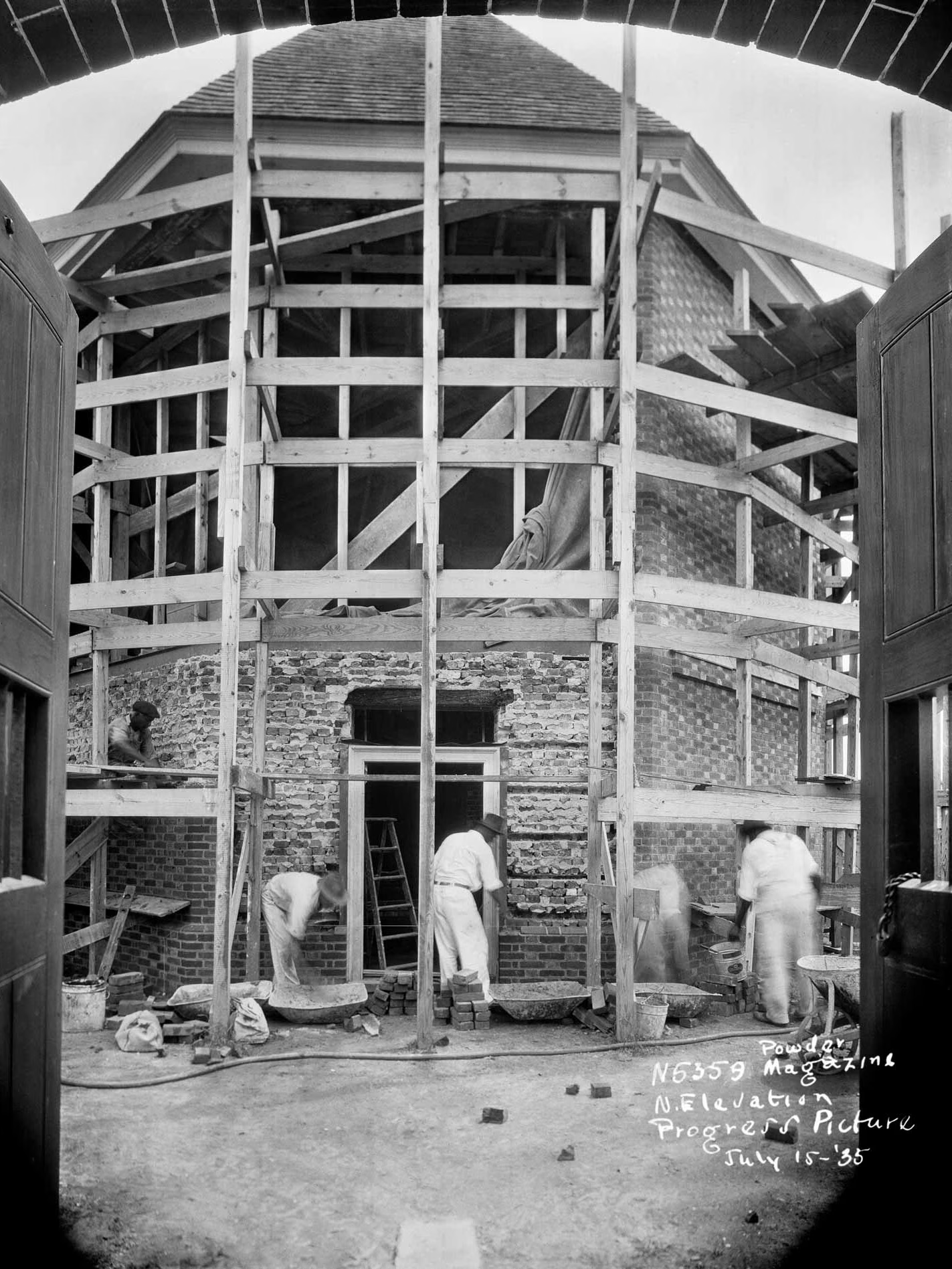
300+ buildings comprise our colonial capital city. 89 of those buildings are original to the 18th century, while the rest were carefully reconstructed based on extensive research and archaeological evidence. This preservation process started with the founding of Colonial Williamsburg in the 1930s, and continues today.
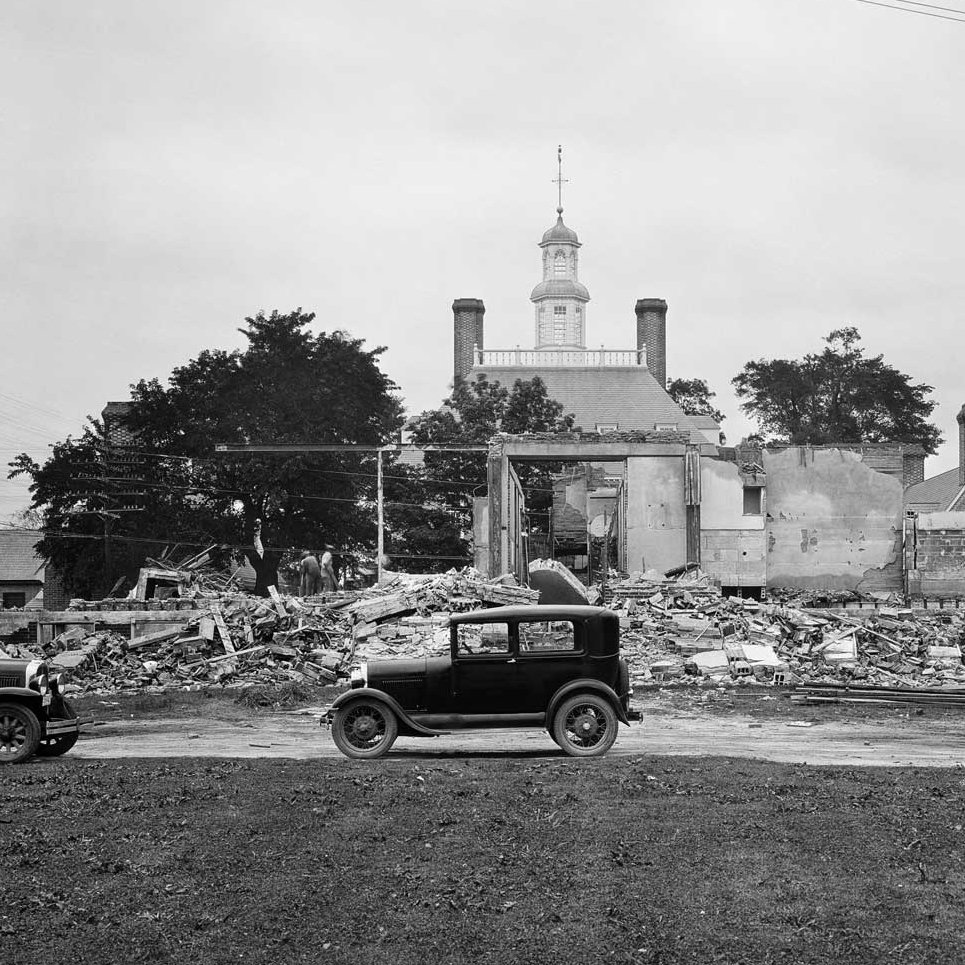
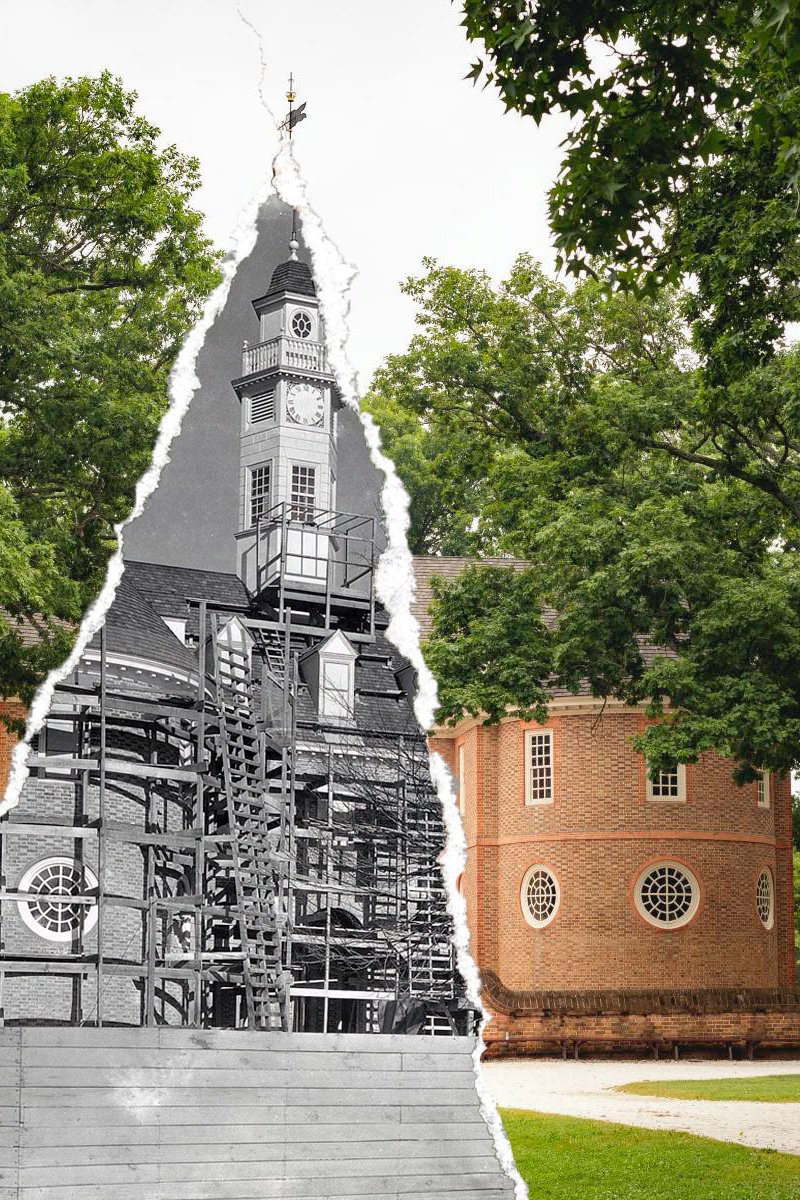
The Restoration of the Capitol
Learn more about the reconstruction of Virginia's colonial Capitol.

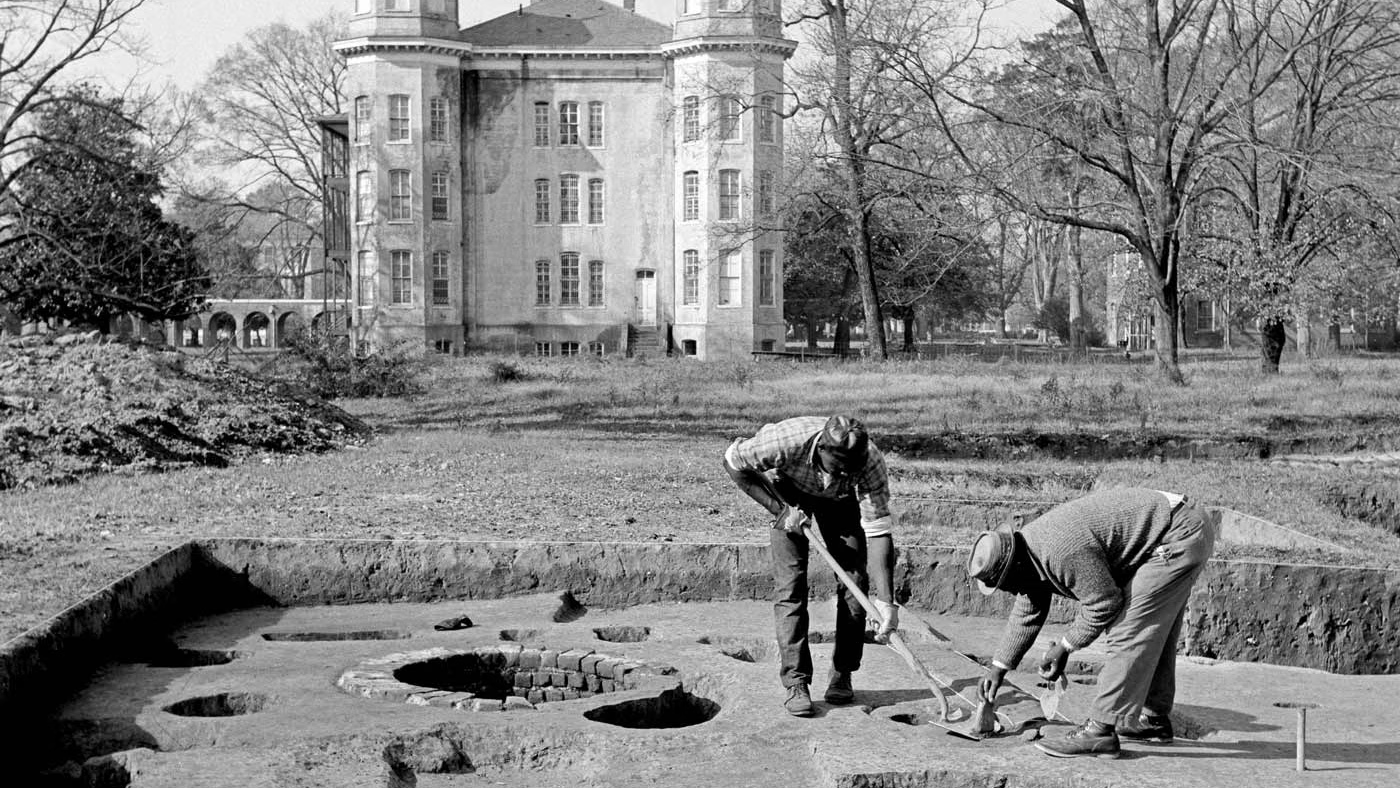
Lost Architecture: Eastern State Hospital
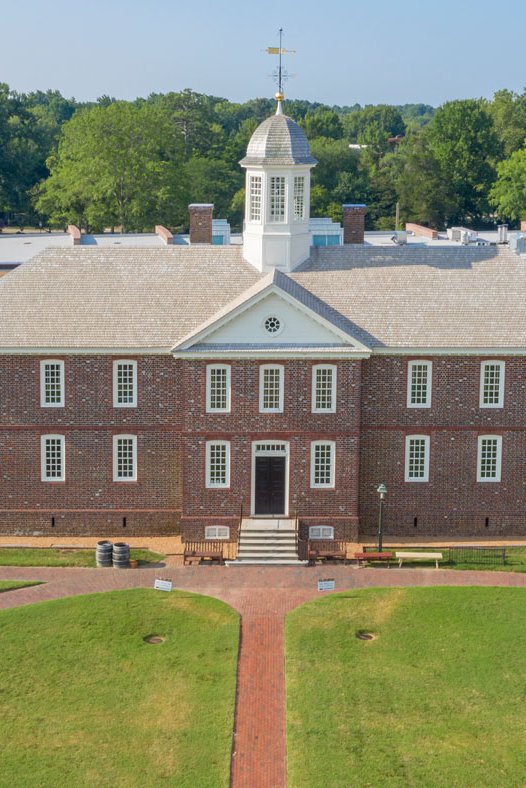
The Public Hospital opened in Williamsburg in 1773 to care exclusively for mentally ill residents.

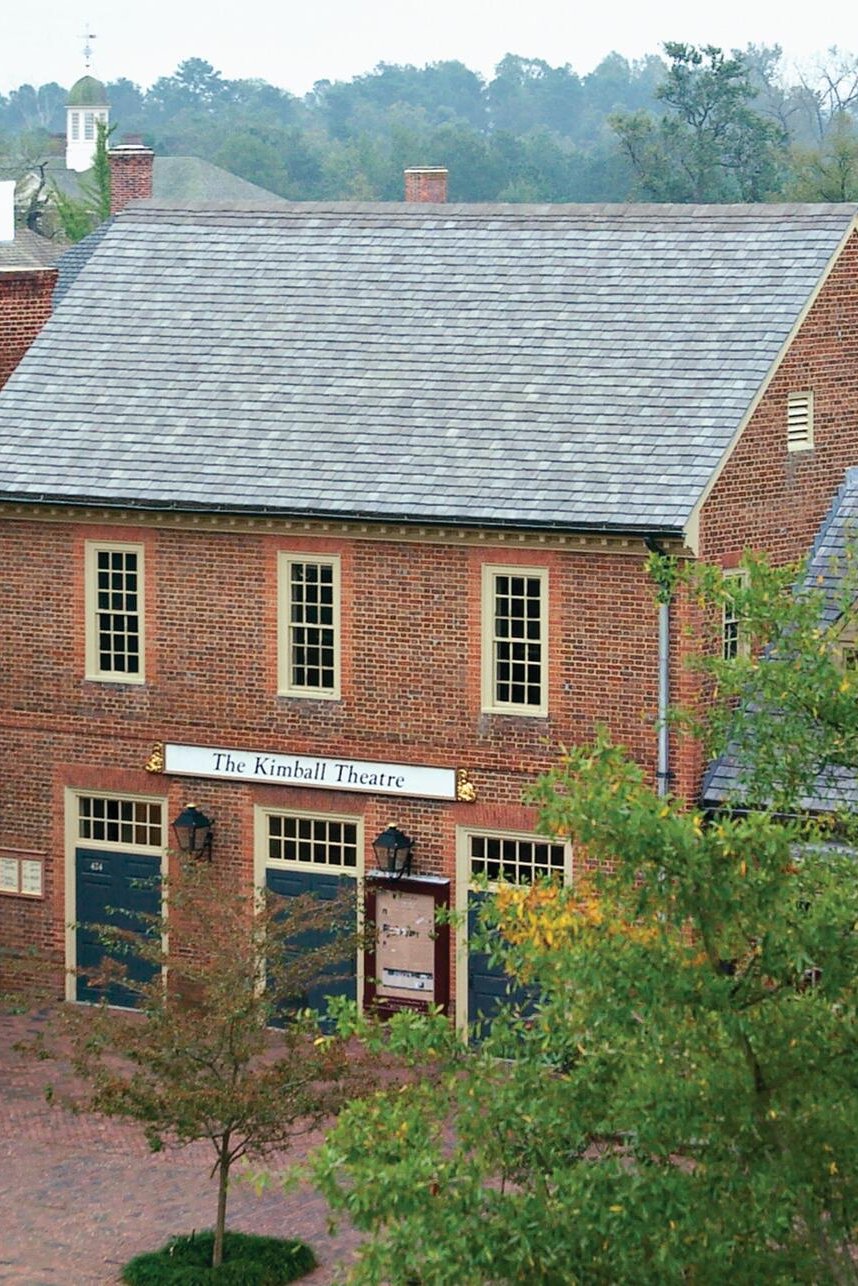
Looking back at the Kimball Theatre
On January 12, 1933, the Williamsburg Theatre lifted its curtains to the public.

Documenting the Restoration
The Hayes Notebook

Williamsburg’s Restoration through the Lens

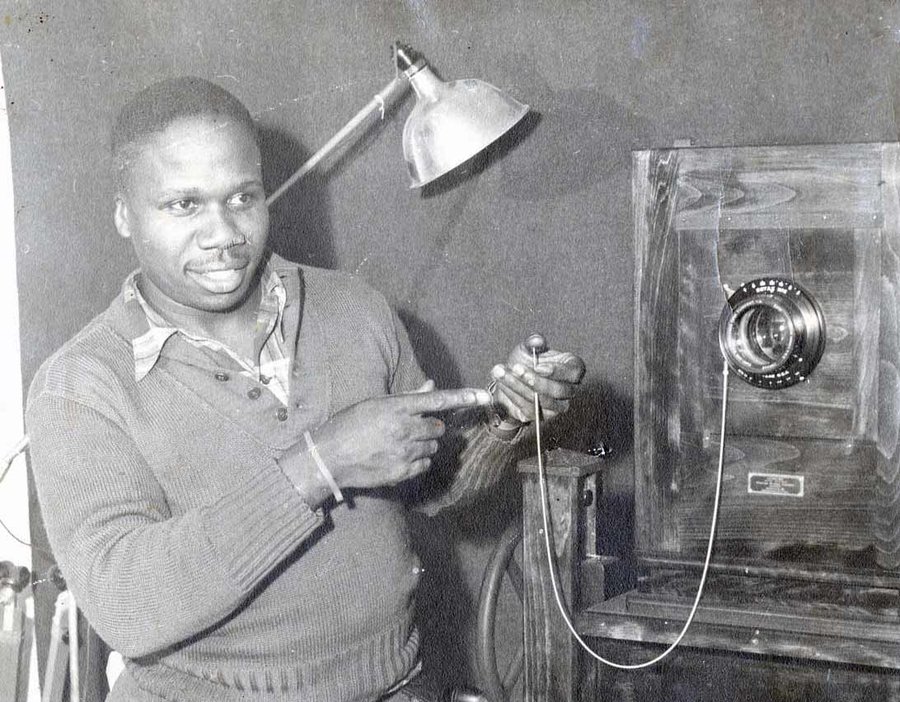
Albert Durant: A Lens Focused Upon African American History

Stories of Women
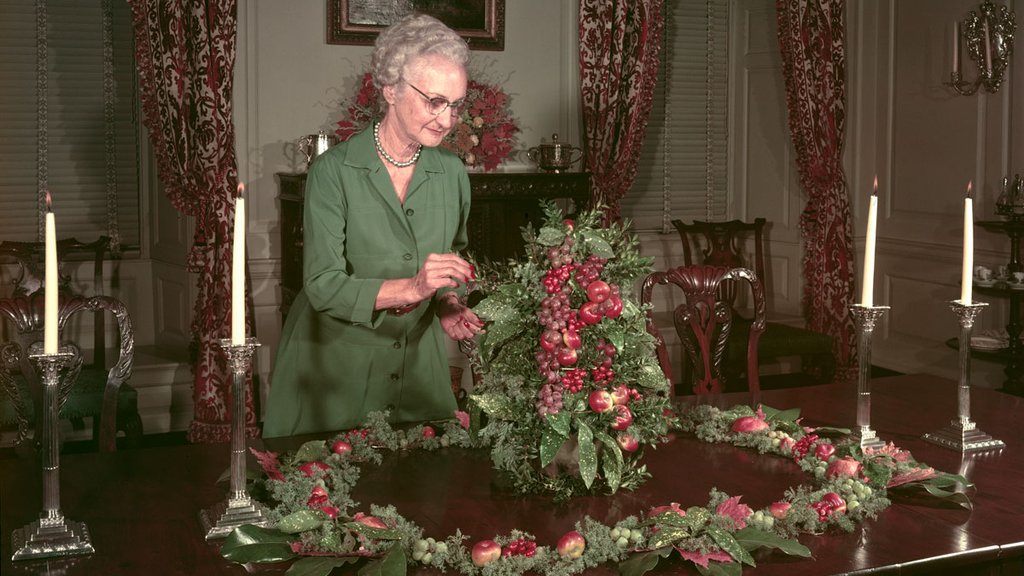
Long an avid gardener, Louise Bang Fisher became involved with flower arranging for Colonial Williamsburg when she became a hostess at the Raleigh Tavern, the first exhibition building that opened in 1932. Fisher began providing flower arrangements for the Raleigh in an effort to provide a homier feel for visitors and she soon expanded her efforts to other exhibition buildings.
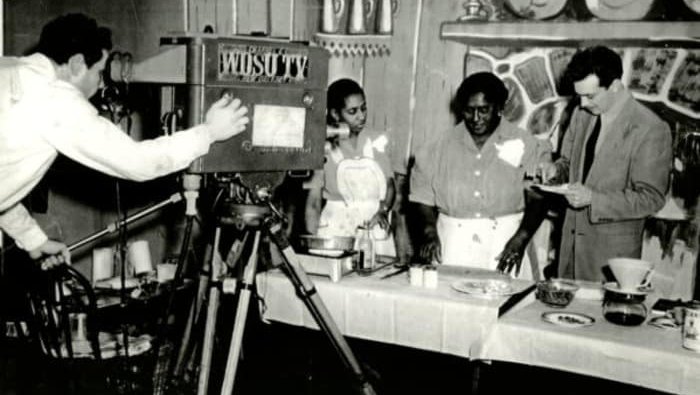
Lena Richard was a woman who began as a domestic cook and ended up a nationally known chef with a frozen foods line, a cookbook, a television show, and diners willing to cross the segregation line to eat at her establishments. She was a pioneer who achieved an astonishing amount and though she brought her culinary magic to Colonial Williamsburg for but a brief time, all Travis House diners departed dreaming of her Creole cooking.
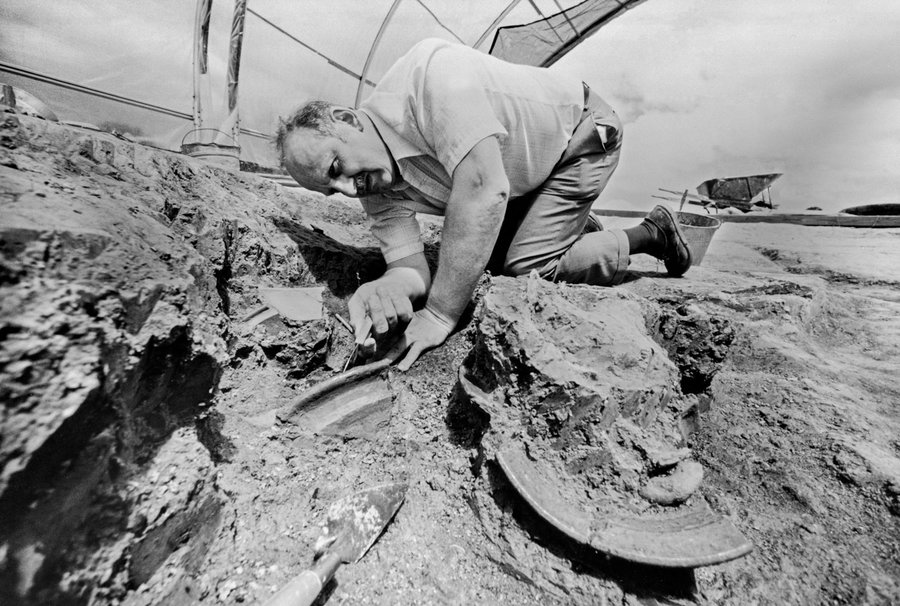
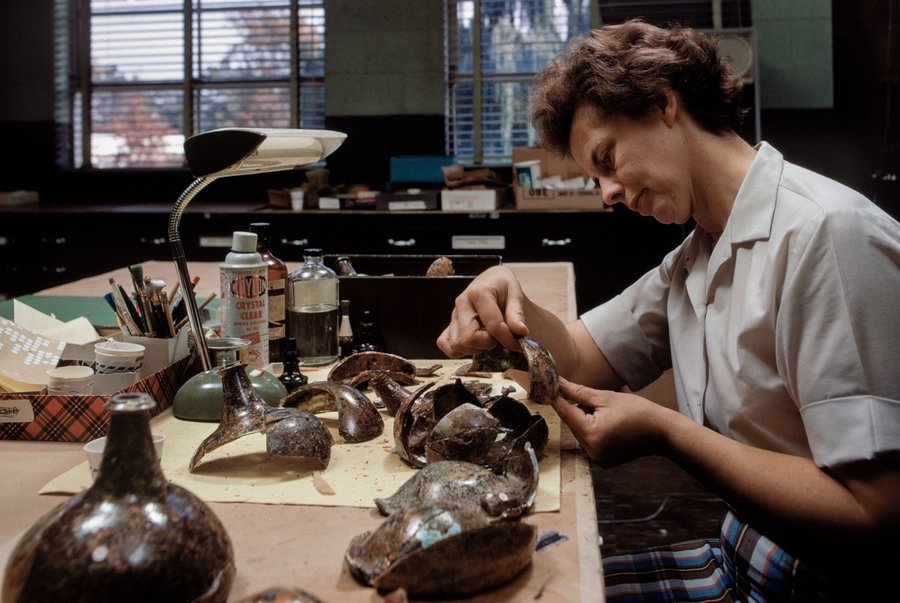
Meet Archaeologists
Ivor Noël Hume
Colonial Williamsburg’s Pioneering Historical Archaeologist

Audrey Noël Hume
Colonial Williamsburg Archaeologist, Curator, and Conservator

Finding Colonial Williamsburg's Black Archaeologists
Research Spotlight

Stories from the Restoration
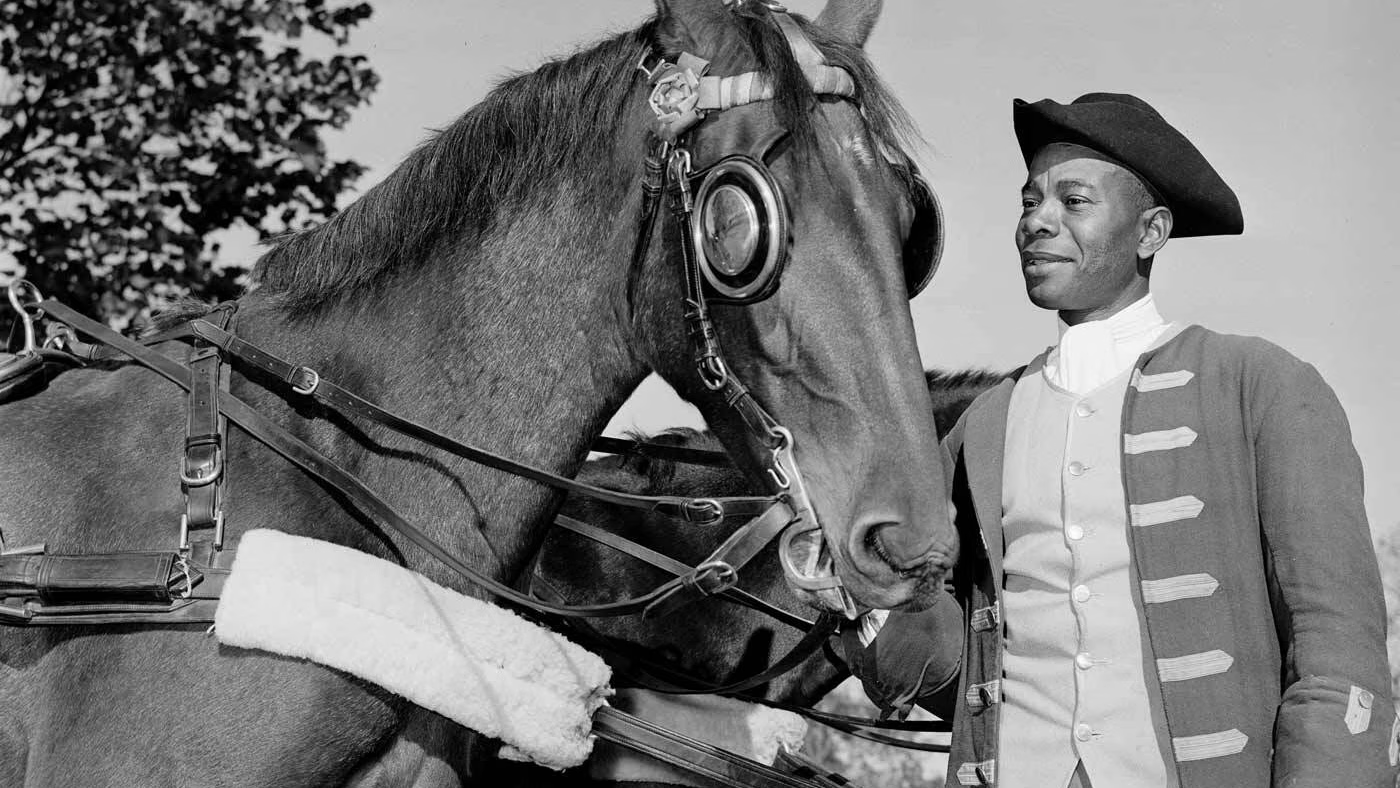
The Benjamin Lewis Spraggins, Sr. Sociable Carriage
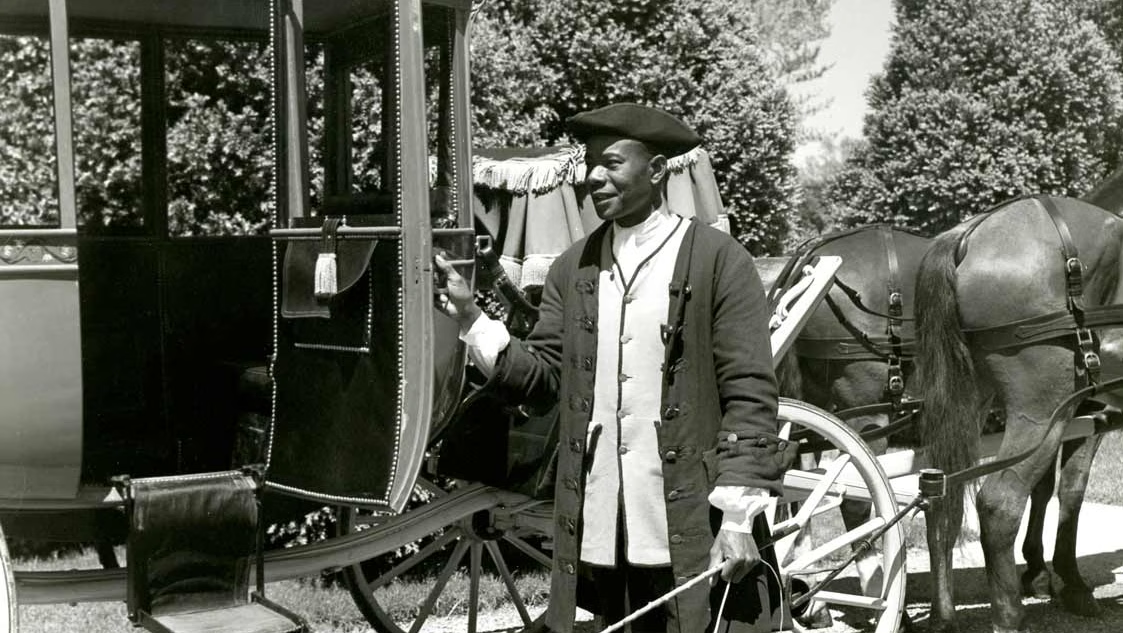
The Spraggins sociable has been intentionally created to honor the legacy and life of Mr. Benjamin Lewis Spraggins, Sr., who was one of the most well-known coachmen at Colonial Williamsburg for 19 years.
The Yule Log Ceremony
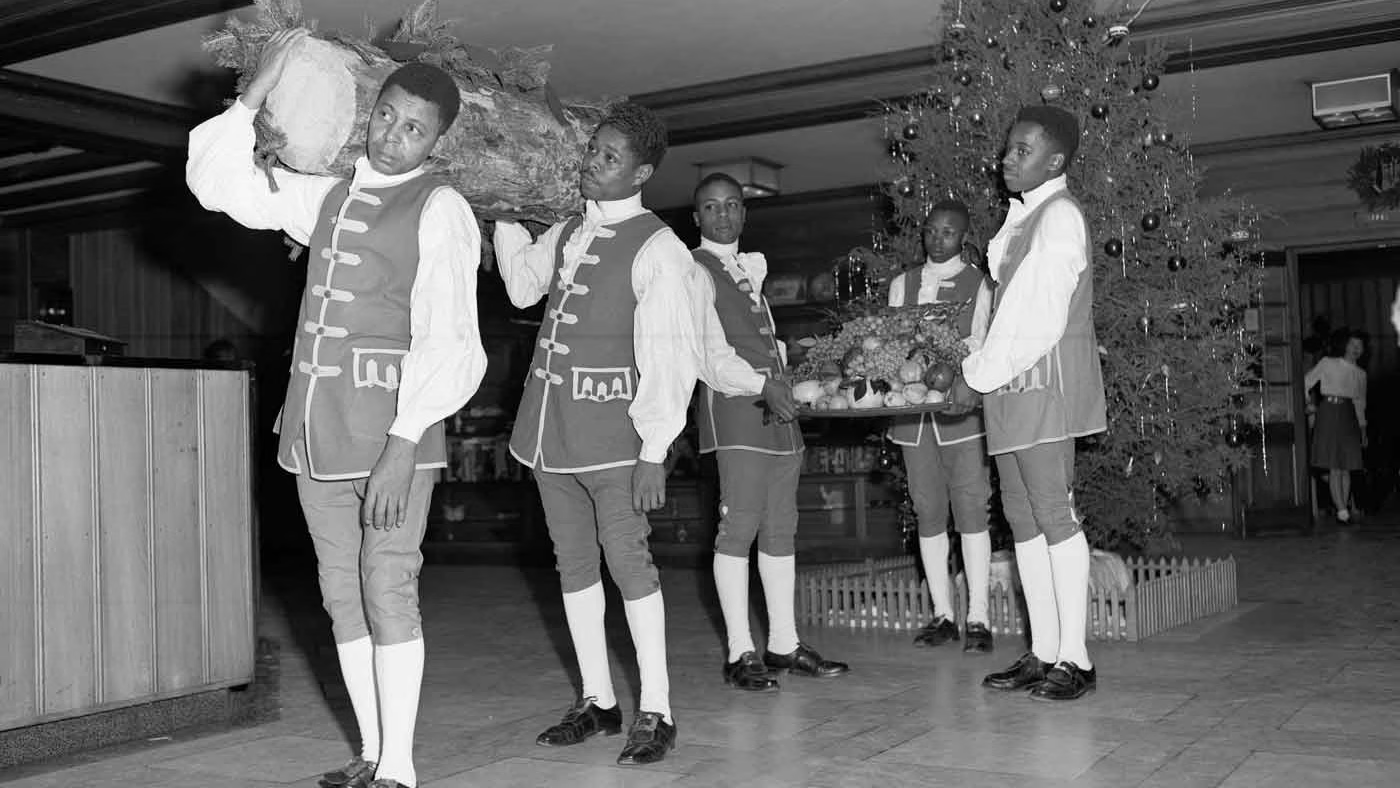
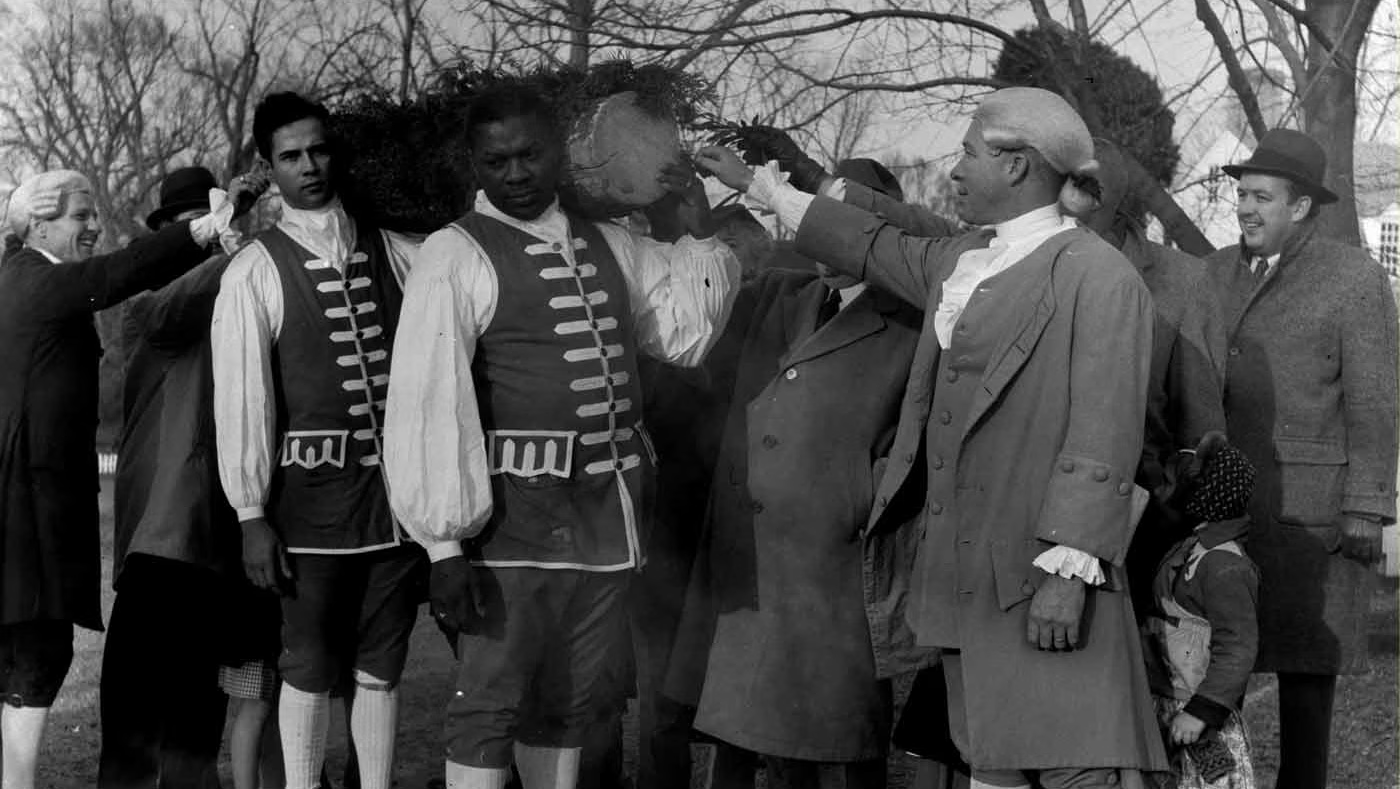
The first Yule Log Ceremony was held at Colonial Williamsburg in December 1940, although it had been preceded for some years by one at William & Mary. In 1940, Colonial Williamsburg was looking for ways to involve the larger community in celebrations and to use historical Christmas traditions in the restored area.
Read the History of Colonial Williamsburg
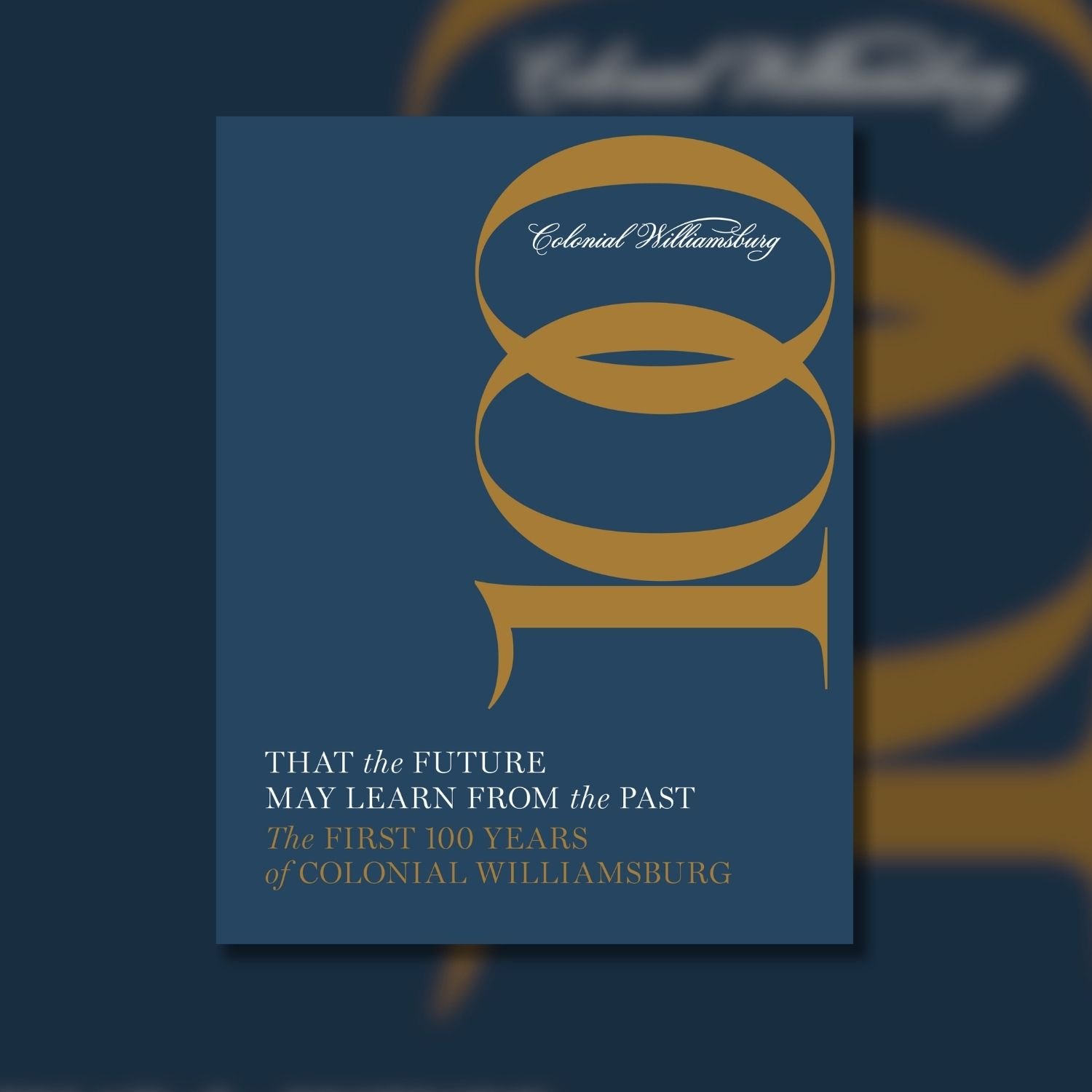
A new book, That the Future May Learn from the Past, chronicles how Colonial Williamsburg has presented the nation’s founding history over the last century. Initially focused on architecture and design, those presentations grew to include patriotic lessons about the nation’s Founders, and ultimately, to reflect a far more nuanced and comprehensive history.

Celebrating America’s Bicentennial at Colonial Williamsburg
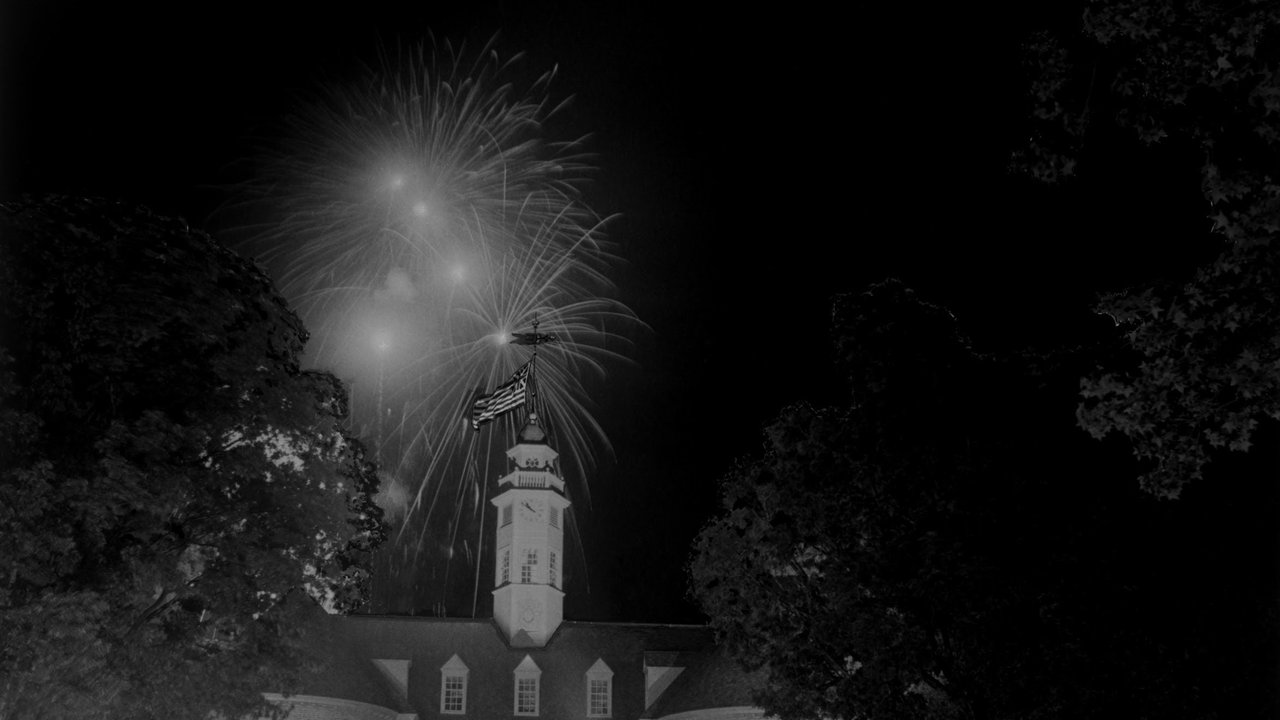
Explore how Colonial Williamsburg helped commemorate America’s 200th birthday in 1976.