Diaries
It’s hard not to be curious about someone else’s diary. Written in private, without aiming to persuade or appease an audience, a diary can record a person’s unguarded views. They can offer a window into the interior spaces of the self—the stories people tell only to themselves. As a historical source, diaries promise much.
In reality, though, most eighteenth-century diaries are sparse in secrets and introspection. Read an eighteenth-century diary and you’ll find a record of everyday life. Records of forgotten births, illnesses, and deaths. The comings and goings of neighbors and relatives. Petty purchases and even pettier insights. Bits of wisdom or instruction. And much more information about centuries-old weather than you probably need. When read carefully, diaries tell us about how people in the past lived their lives and what mattered most to them.
Diaries of Revolution
Liberty. Freedom. Independence. These are the ideas we link to the American Revolution. But what was it actually like to live through the events that would become a revolution? Scroll to explore how Virginians wrote about the revolution in their diaries.

Gunpowder Incident
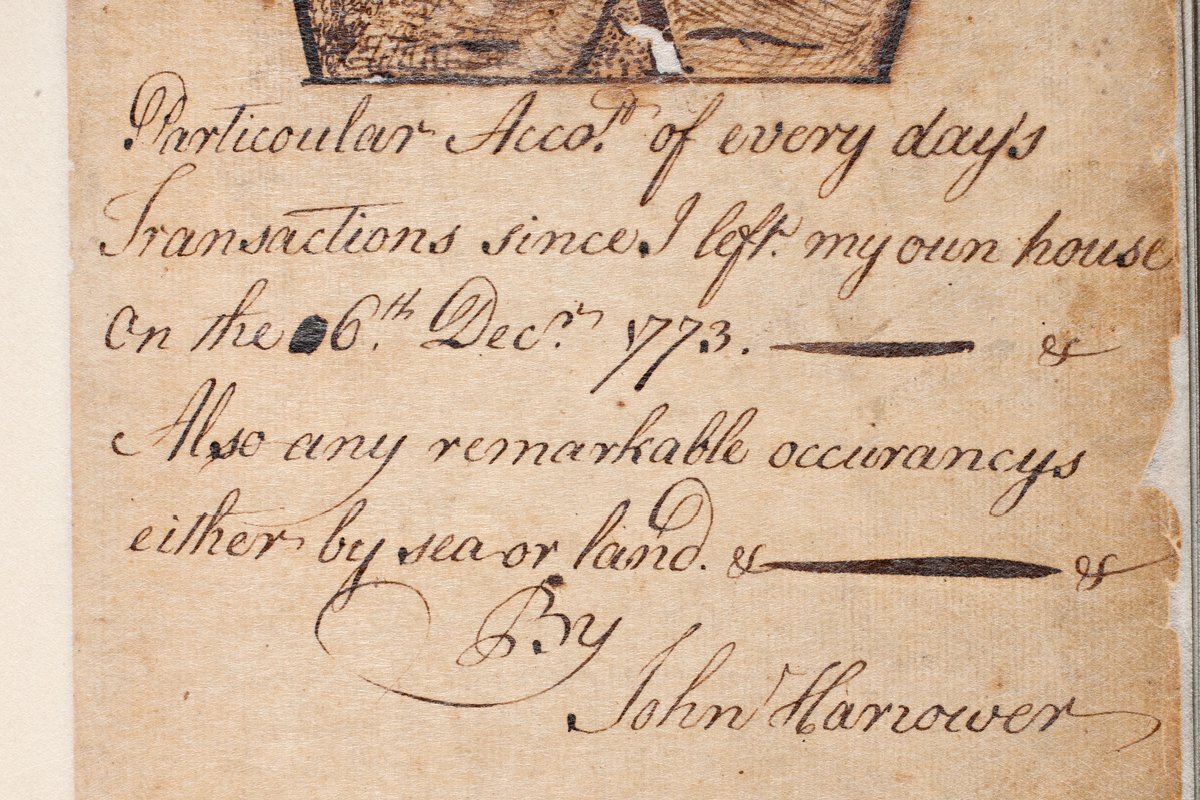
In April 1775, with Virginia in crisis, the indentured servant John Harrower recorded that “about 600 men under Arms” had gathered in Fredericksburg, near where he lived, to demand that Dunmore return gunpowder seized by his forces.[1]
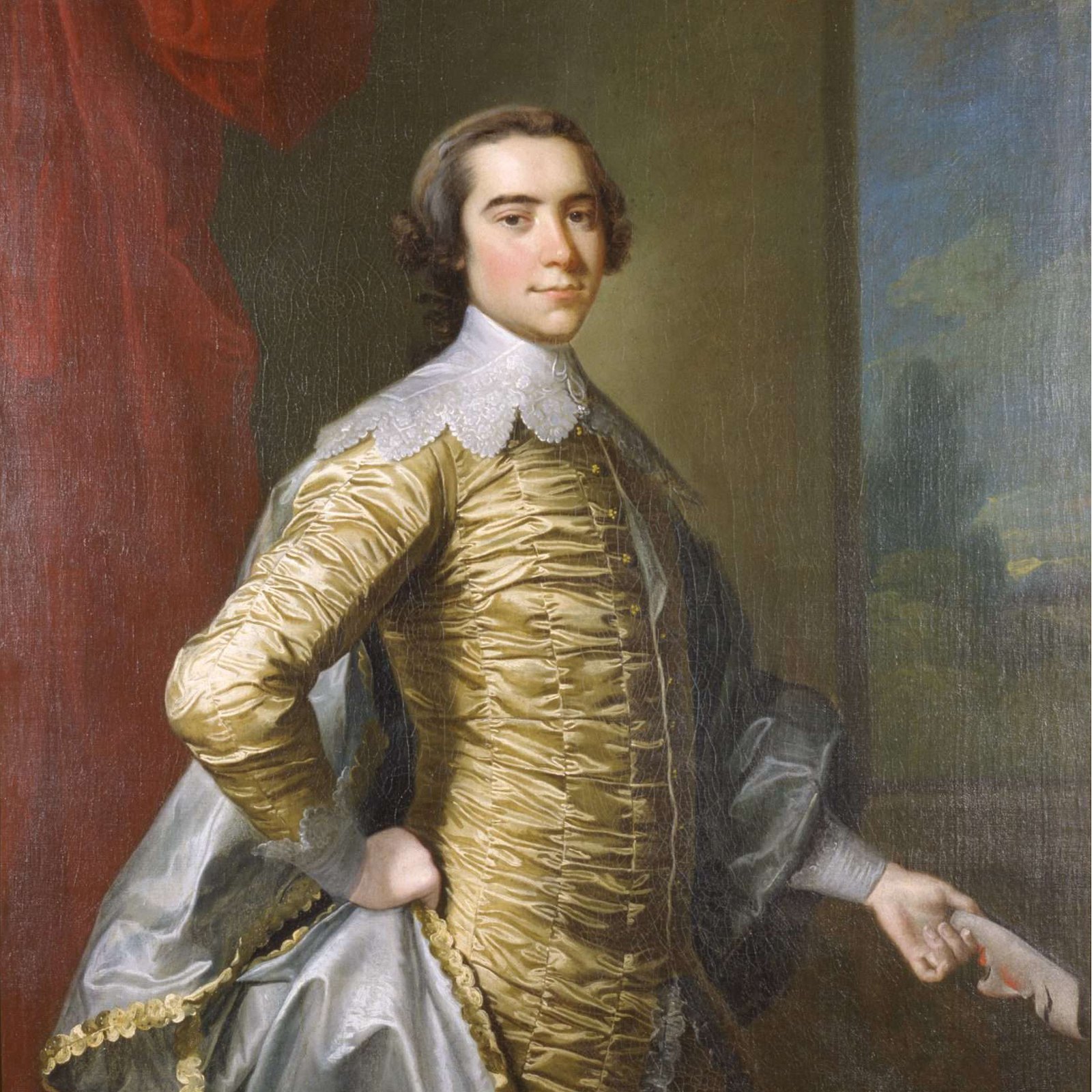
Fasting and Prayer
In 1774, Virginia’s leaders protested British rule with a day of fasting and prayer. Philip Fithian’s diary reveals that his employer, Robert Carter III (seen here), forbade his household from going to church or observing the fast. In his diary, Fithian questioned if Carter was a Loyalist.[2] Image courtesy VMHC.
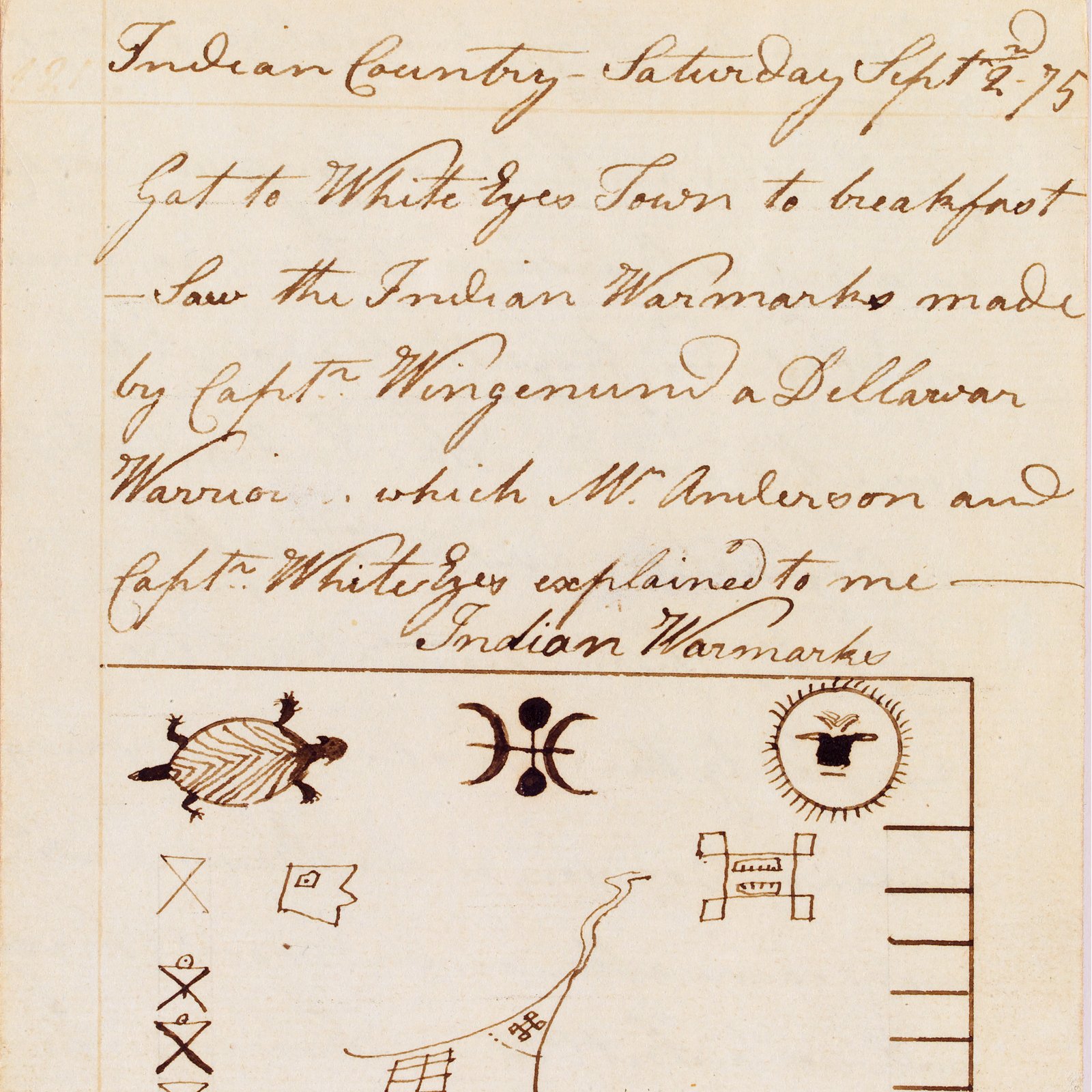
Nicholas Cresswell
As the revolutionary war unfolded, British traveler Nicholas Cresswell traveled through western lands claimed by the United States. His September 1775 journal entry records the “Warmarks” of Delaware leader Wingenum (or Wingenund). Image: Cresswell Journal, MS 1961.2, Special Collections, John D. Rockefeller Jr. Library.
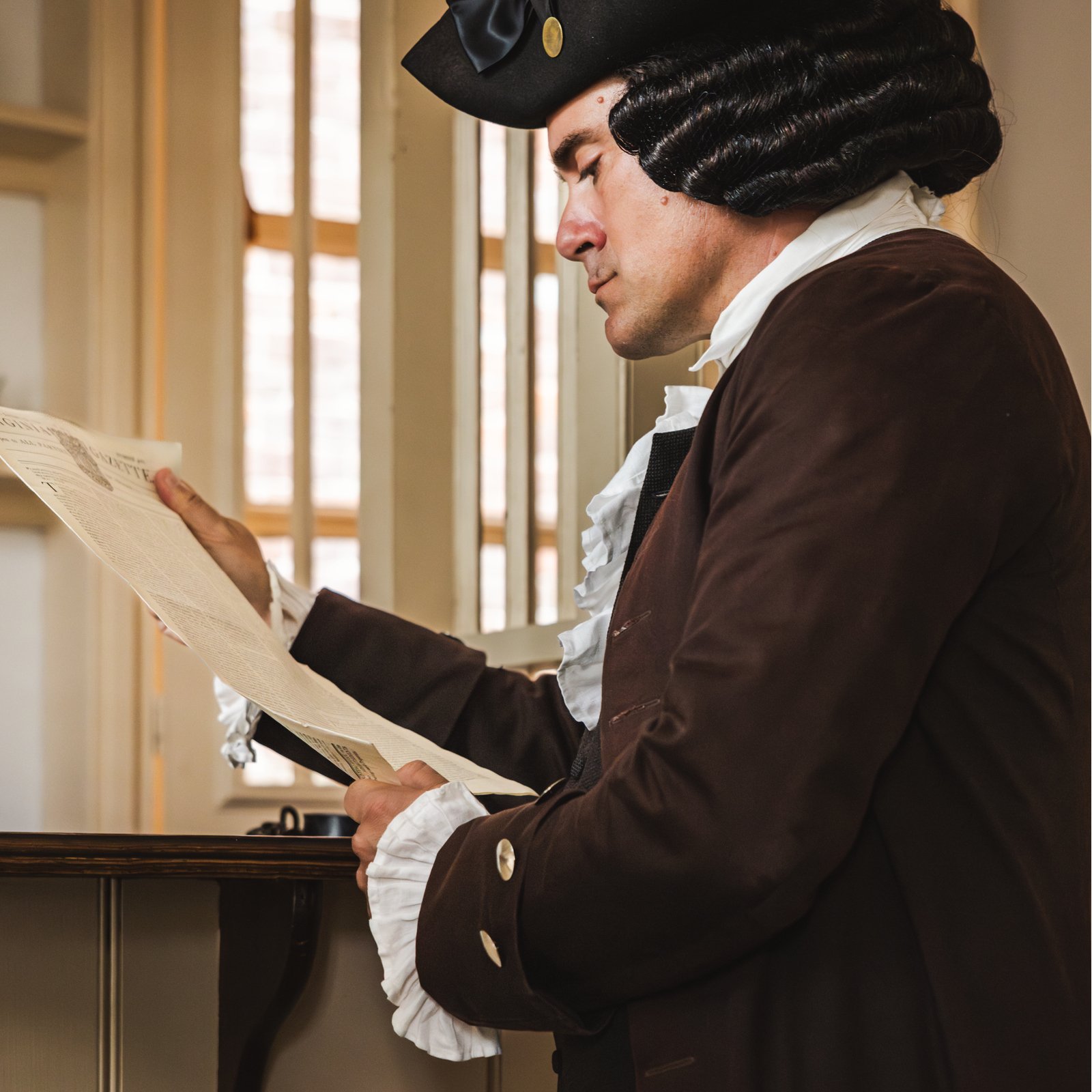
When Patrick Henry Didn't Die
In July 1776, while many celebrated independence, Landon Carter celebrated what turned out to be false news that Patrick Henry had died just after his election as Virginia’s governor. Carter was jealous of Henry’s popularity, and wrote that his death was a “glorious” event guided “by the hand of Providence.”[3]
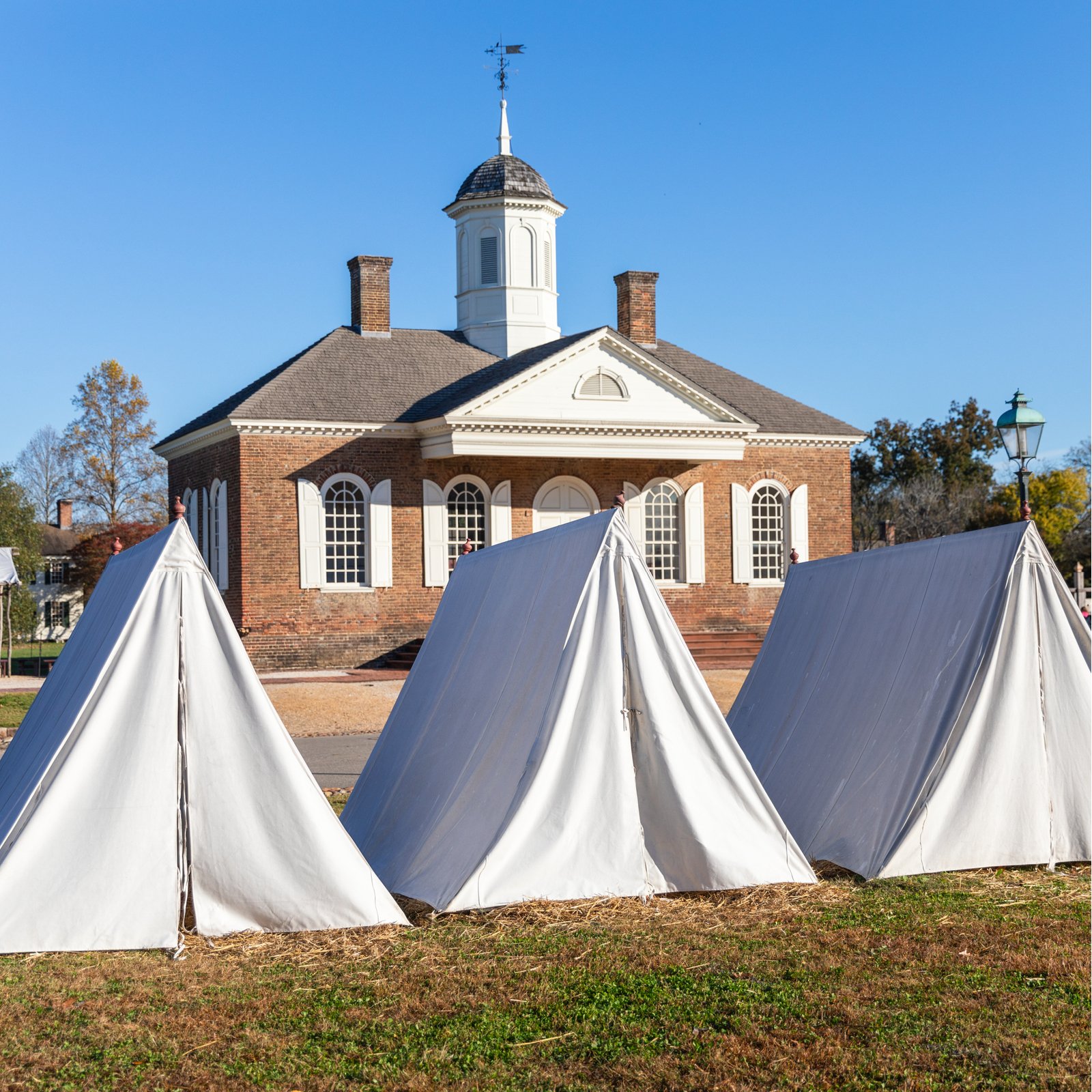
Court Martial
The diary of Benjamin Bartholomew, a Continental Army captain, recounts the Yorktown Campaign. In June, he witnessed the trial and execution of a soldier who “was taken up deserting to the enemy.” A court martial sentenced the man “to be shot” at the end of the day, which he witnessed “put in execution.”[4]
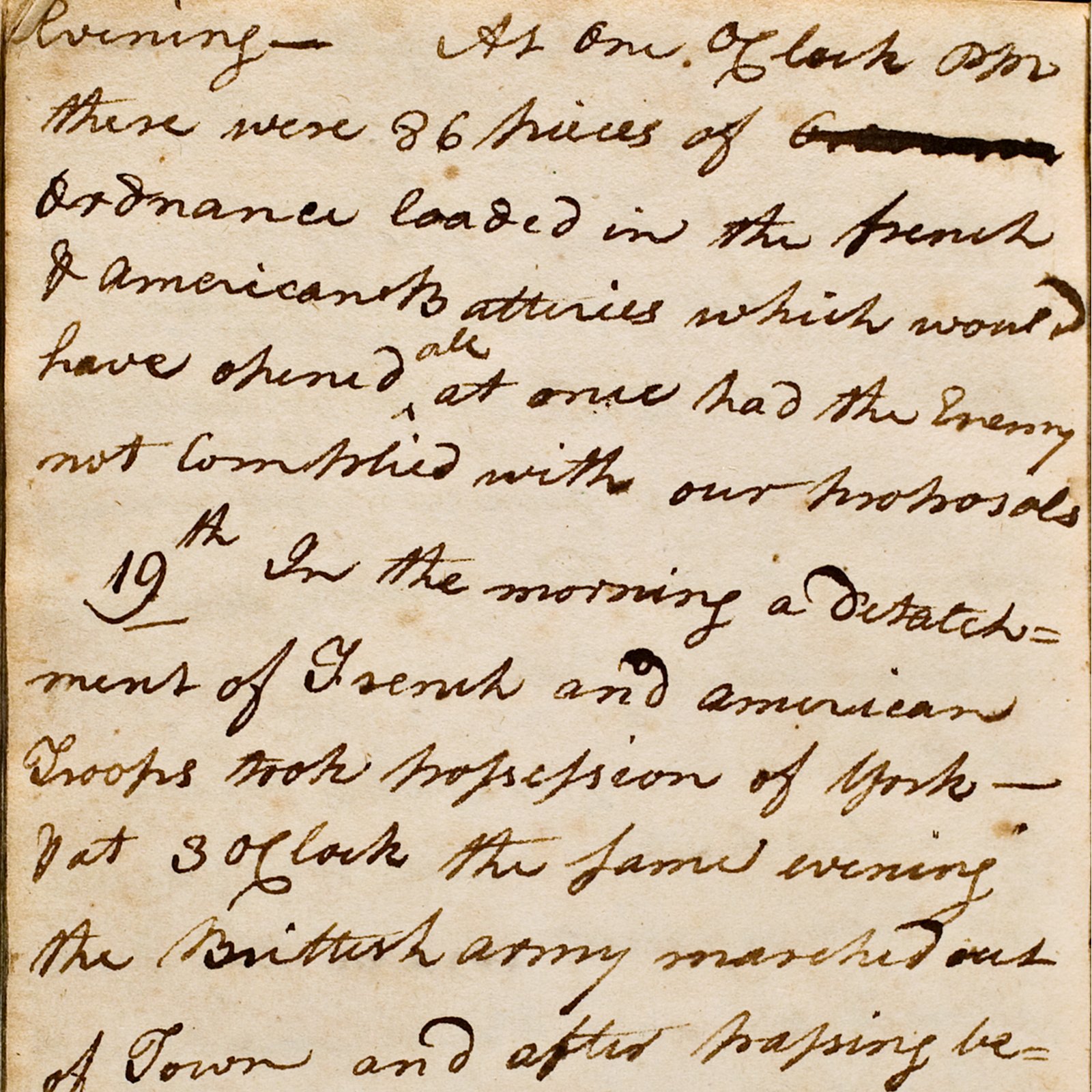
William Blackall Ball
Lieutenant Ball of Pennsylvania recorded the Continental Army’s march into Virginia and his observations on the Siege of Yorktown. Image: Blackall William Ball Collection, 1781-1784 & 1802. Extracts from the General Orders, Sept. 1781. MS 2005.14, Special Collections, John D. Rockefeller Jr. Library.
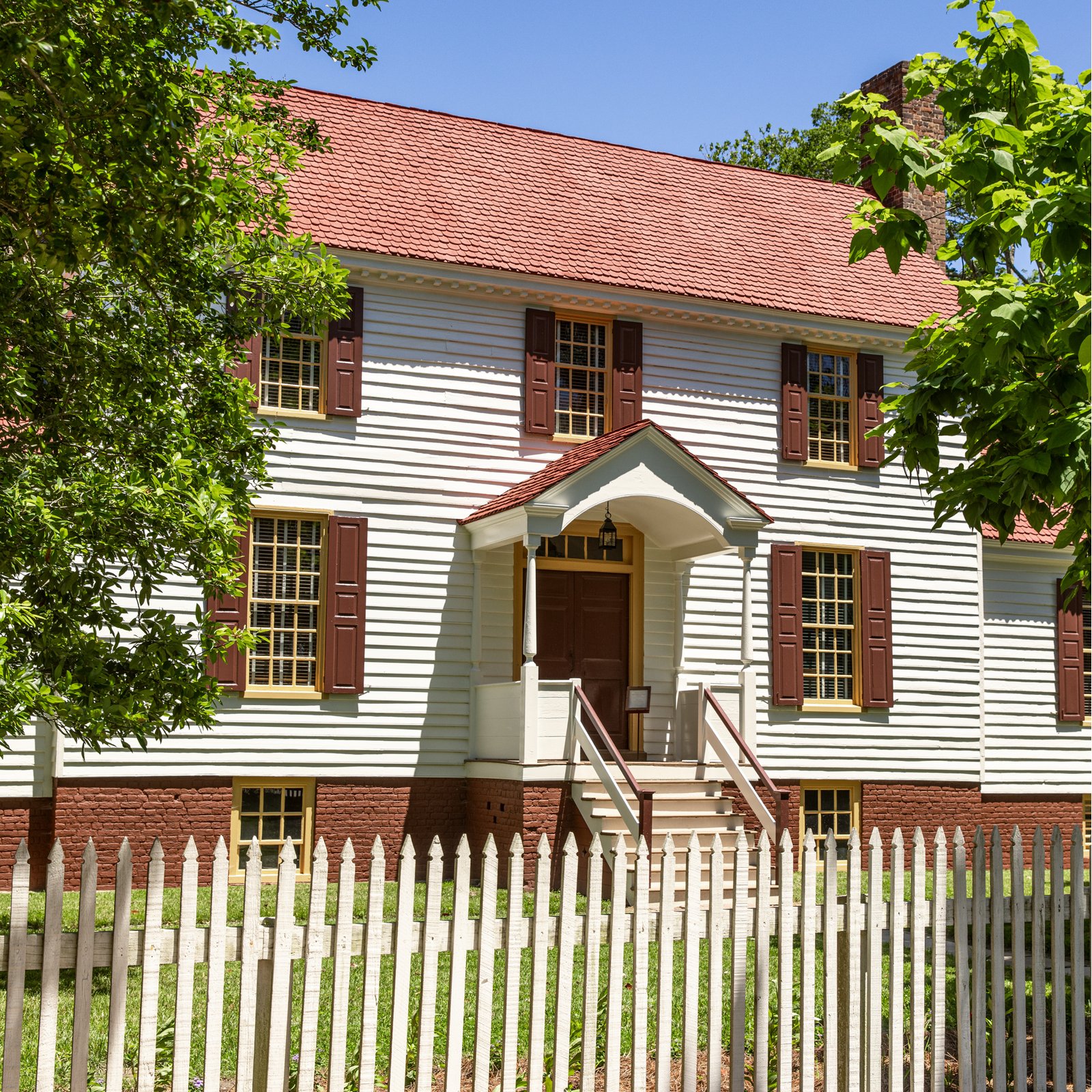
Fireworks and Stars
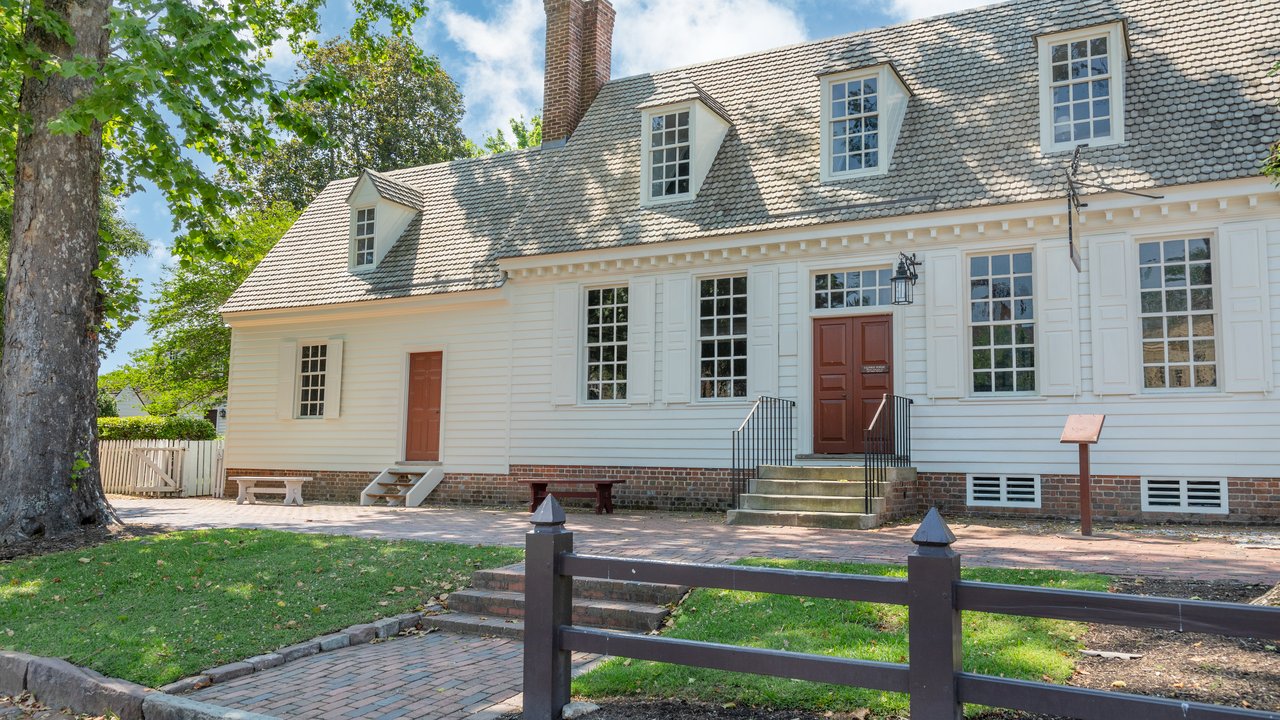
The night after British forces surrendered at Yorktown, the diary of Williamsburg resident St. George Tucker (whose home is shown) poetically compared the “solemn stillness” of a “sky decorated with ten thousand stars” and meteors with the “noble Firework” of bombs during the siege.[5]
What can diaries tell us about the past?
Because they are crammed with so many everyday details, diaries offer some of our best evidence into the rhythms and texture of life in eighteenth-century Virginia. Virginia’s wealthy gentry class wrote most of the era’s surviving diaries, providing a particularly rich accounting of that group’s daily life.
William Byrd II, for example, kept to his routine with an obsessive zeal. He began every day by reading Greek and Hebrew texts, praying, consuming warm milk, and doing exercise (or as he wrote, he “danced my dance”). He spent the rest of the morning managing his affairs, ate a single dish for lunch, and usually spent the afternoon in some leisure activity. His day often ended with a walk around the plantation, and more reading. He ended nearly every entry the same way: “I had good health, good thoughts, and good humor, thanks be to God Almighty.”6
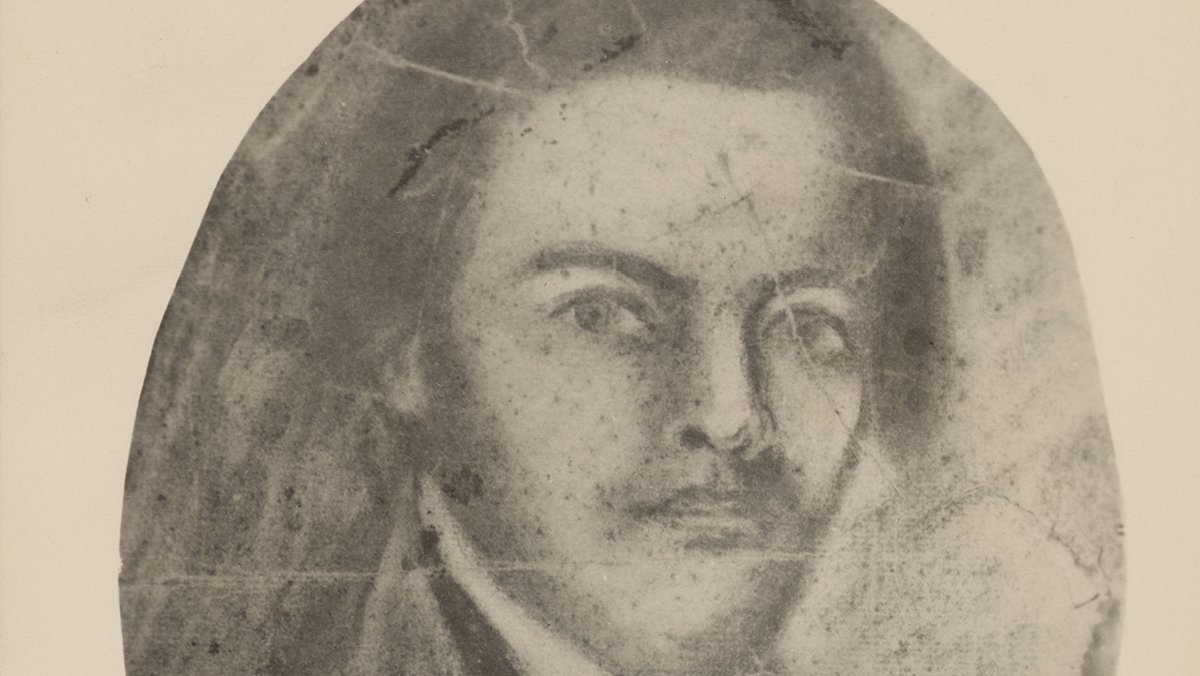
Philip Vickers Fithian
Schoolmaster Philip Fithian’s perceptive diary about Virginia from 1773 to 1774 continues to inform our understanding of everyday life in the past.
Diaries like those of enslavers and landowners Landon Carter and William Byrd II provide some of the best sources available to historians for understanding the ongoing struggles between Virginia’s enslaved people and the men and women who enslaved them. Byrd’s diary records regular violent punishments performed on enslaved people, including cryptic lines such as “Moll was whipped for a hundred faults.”7
These diaries are written only from the perspective of the enslaver, and thus only provide a limited vantage onto the experience of enslavement. But when read carefully, they nevertheless can help us better understand the everyday struggles between enslavers and enslaved. If nothing else, references to enslaved people in planters’ diaries often provide the cold, basic facts of enslavement: names, rations provided, medical treatments, and labor performed. Though often meager, these details offer crucial clues for historians seeking to better understand enslaved households.
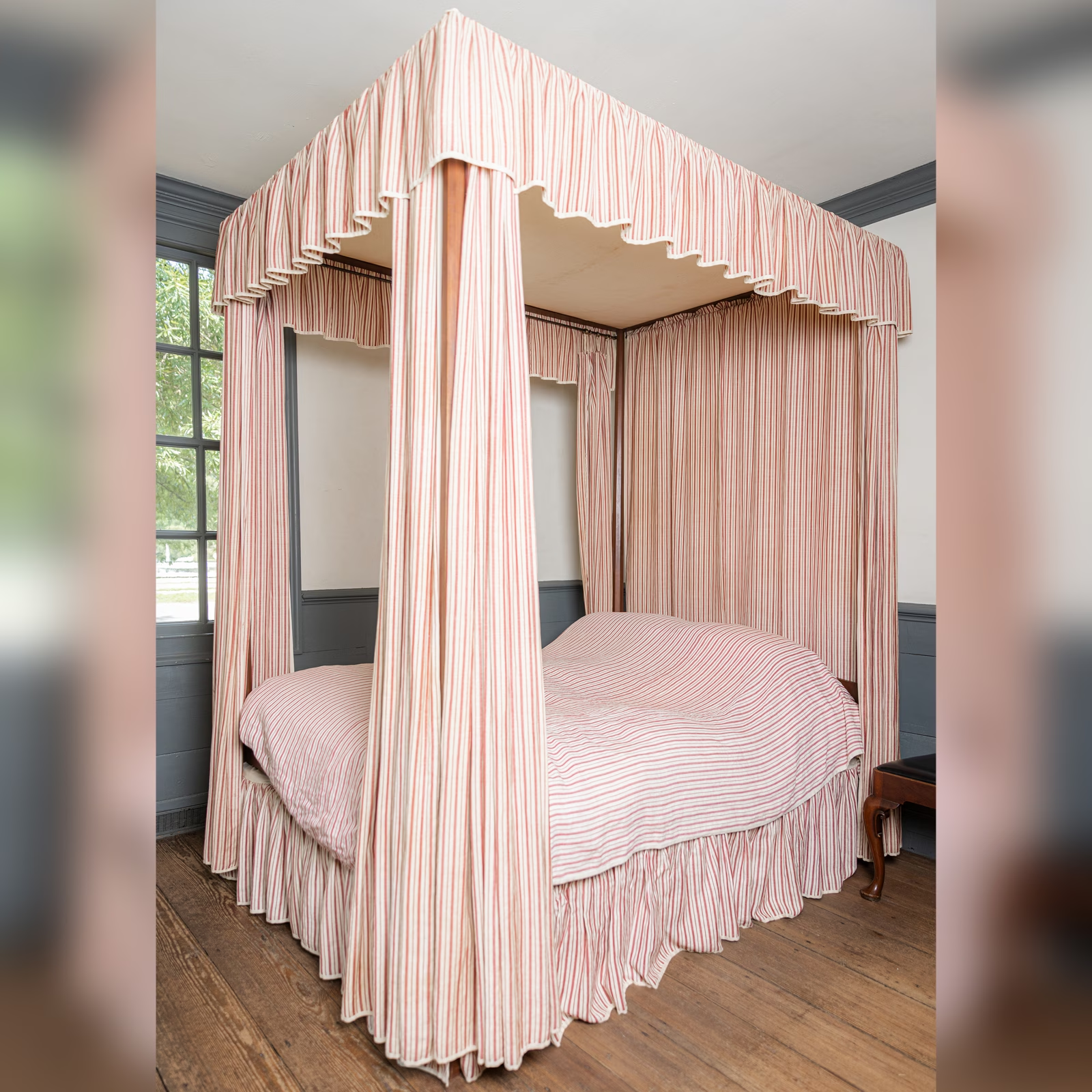
A high post bedstead in the Benjamin Powell House.
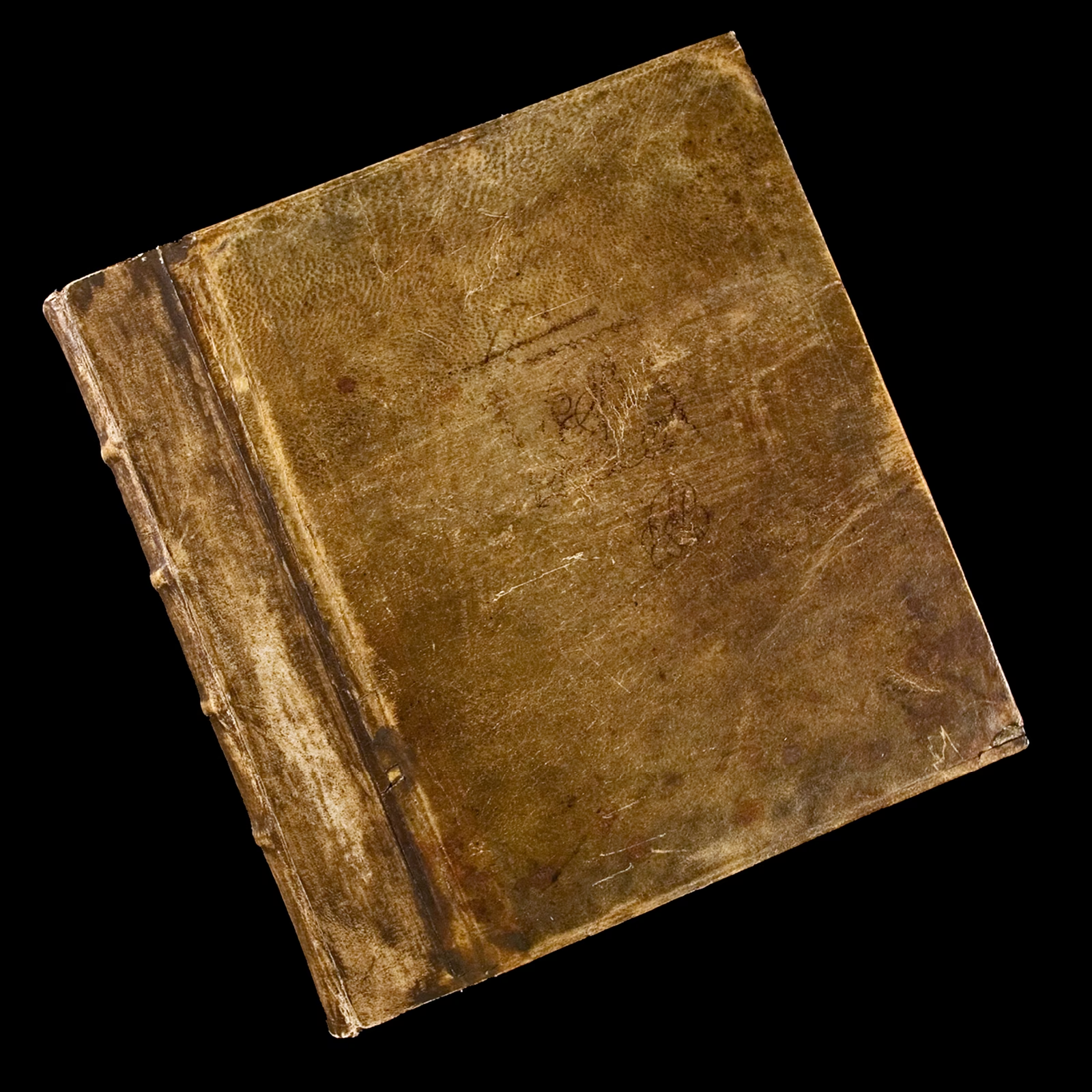
Journal of John Harrower, The Colonial Williamsburg Foundation (accession no. SCMS1971.5).
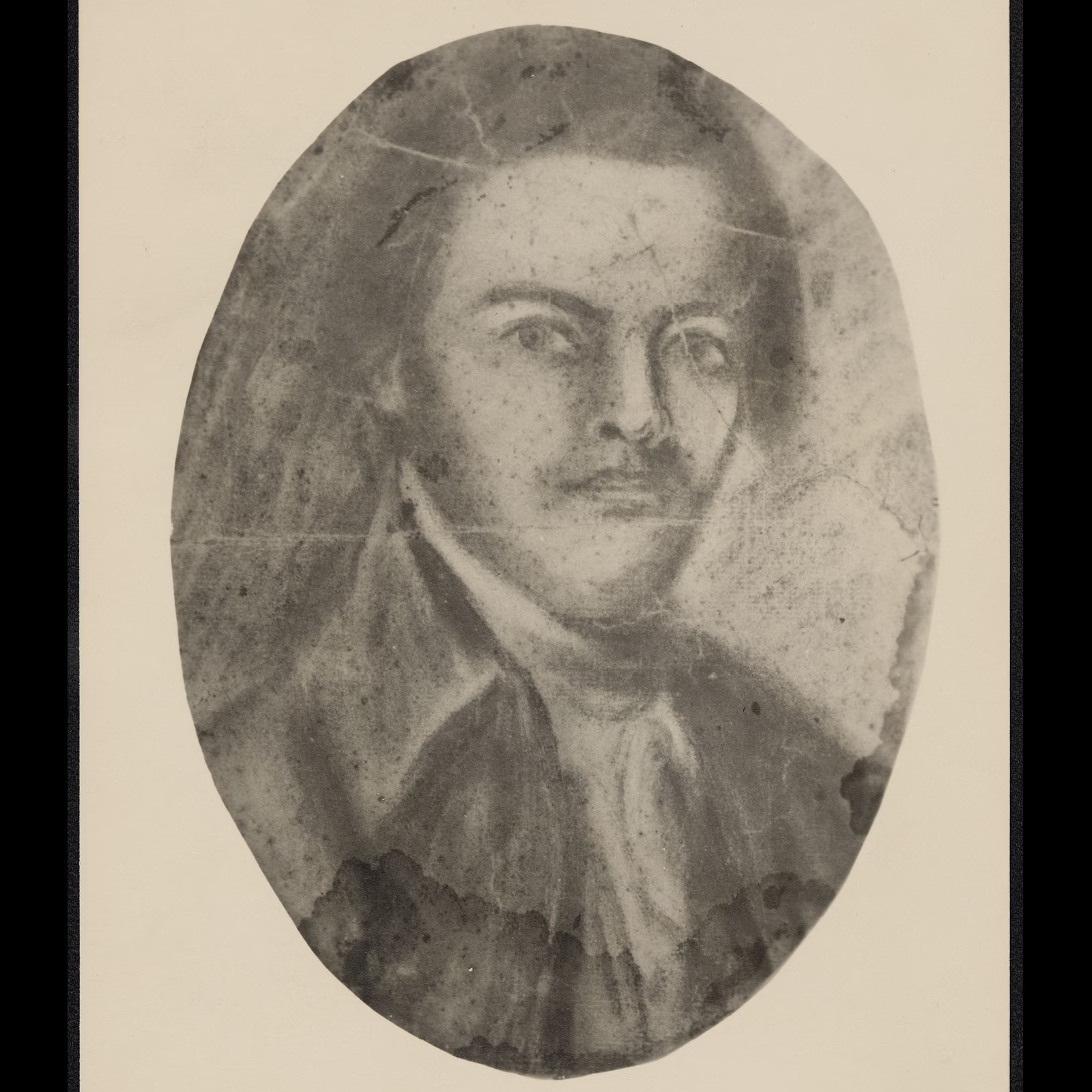
Portrait of Philip Vickers Fithian.
Dreams in Diaries
Occasionally, Virginians used their diaries to record their dreams. In the eighteenth century, many regarded dreams as symbols of external reality, or even supernatural messages. At the same time, others were beginning to consider new theories of dreams as artifacts of psychological processes. Learn more about the dreams appearing in Virginians’ diaries below.
People often kept biographical information or diaries on the blank pages in copies of books, including the Virginia Almanack. This entry from Thomas Bolling’s diary, describing the life of a shoemaker and clockmaker named John Turner, appears in the 1775 almanac.
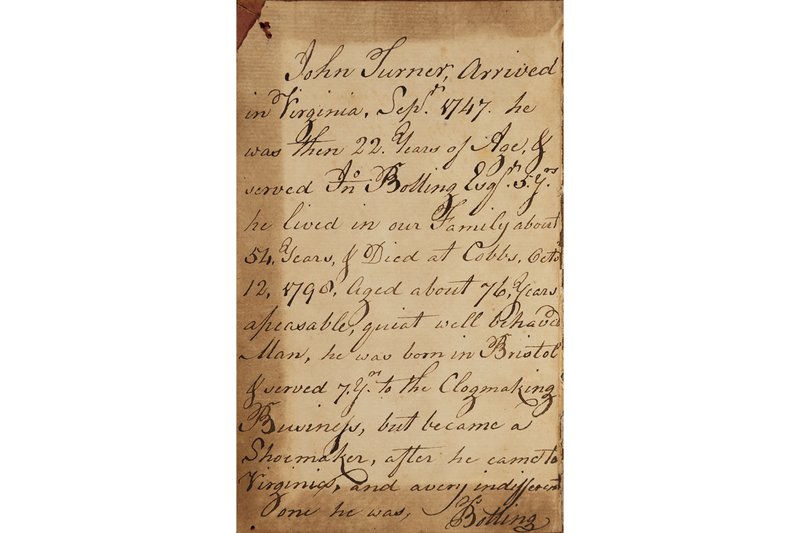
Page one, Diary of Thomas Bolling within The Virginia Almanack for the Year of the Lord God 1775… (Dixon and Hunter, 1775), SCRB10567, Colonial Williamsburg Special Collections, John D. Rockefeller Jr. Library.
What was the purpose of a diary in the eighteenth century?
A modern diarist might think of their diary as an intimate narrative of their life. But most eighteenth-century diaries functioned less as a repository of individual experience, and more as a record of actions and observations. Mary Cary Ambler even wrote her diary entries in a detached, third-person style, including lines like “M. Ambler quite low spirited.”19 Diaries were full of local gossip, business transactions, weather, life events, and crop yields. George Washington’s diary was, as he put it, a record of “Where & how my time is Spent.”20 Less literary or informal than a modern diary, there was a fine line between writing a diary and completing paperwork.
Daniel Fisher
Not everyone did well in Williamsburg. Daniel Fisher’s story, recorded in his diary, shows that Virginians were not always friendly to strangers.
William Byrd II kept his diary in a secret code. His motives are obvious, as it records numerous unflattering things about himself. But he was an exception. Few diarists wrote down anything that they wouldn’t say publicly. In a time when notions of privacy differed considerably from today, some diarists recorded their experiences with the expectation that they would be shared or otherwise read by family and friends. Daniel Fisher, for example, explained that he intended for his “scribbling” to make his “melancholy adventure Intelligible” to his friends in England.21
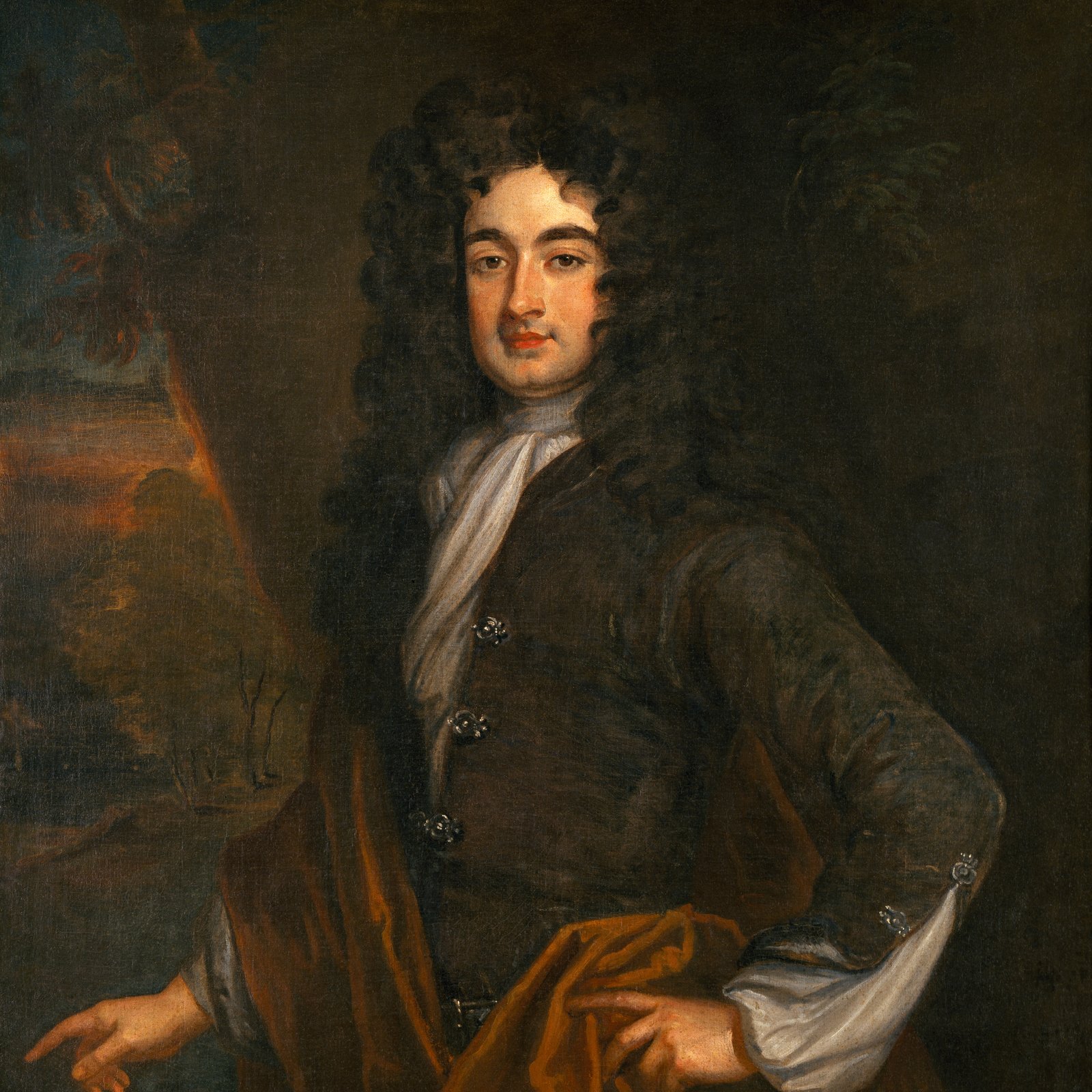
Byrd's Secret Confessions
The wealthy Virginia enslaver and plantation owner William Byrd II, a frequent visitor of Williamsburg, kept a secret diary written in code. It is exceptionally explicit about his lust, lies, marital strife, and acts of revenge.

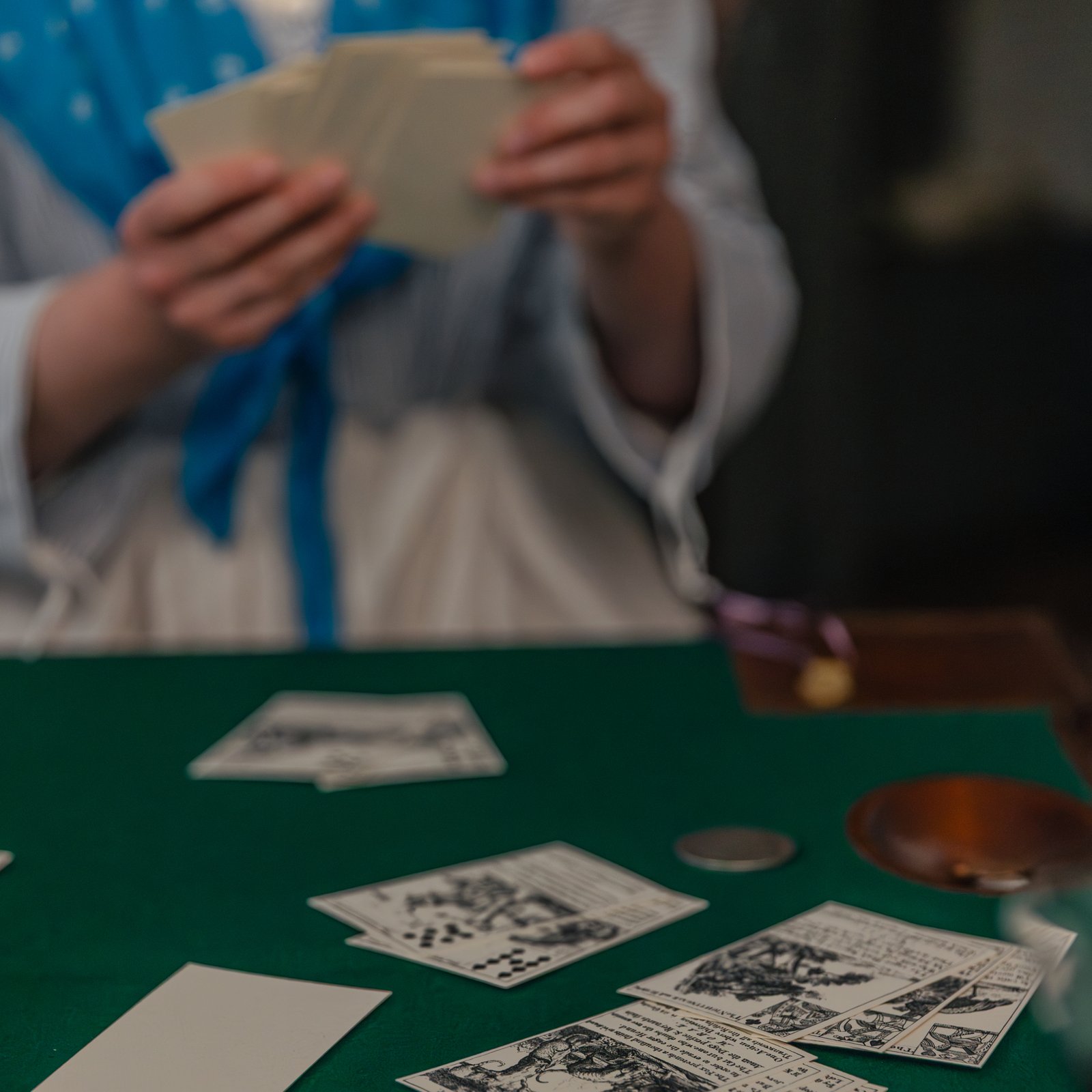
Cheating at Cards
Byrd and his wife Lucy had a tumultuous relationship. If Byrd’s diary is any indication, he bore much of the responsibility for that. In 1709, he admitted, “I played at piquet with my own wife and made her out of humor by cheating her.”[22]
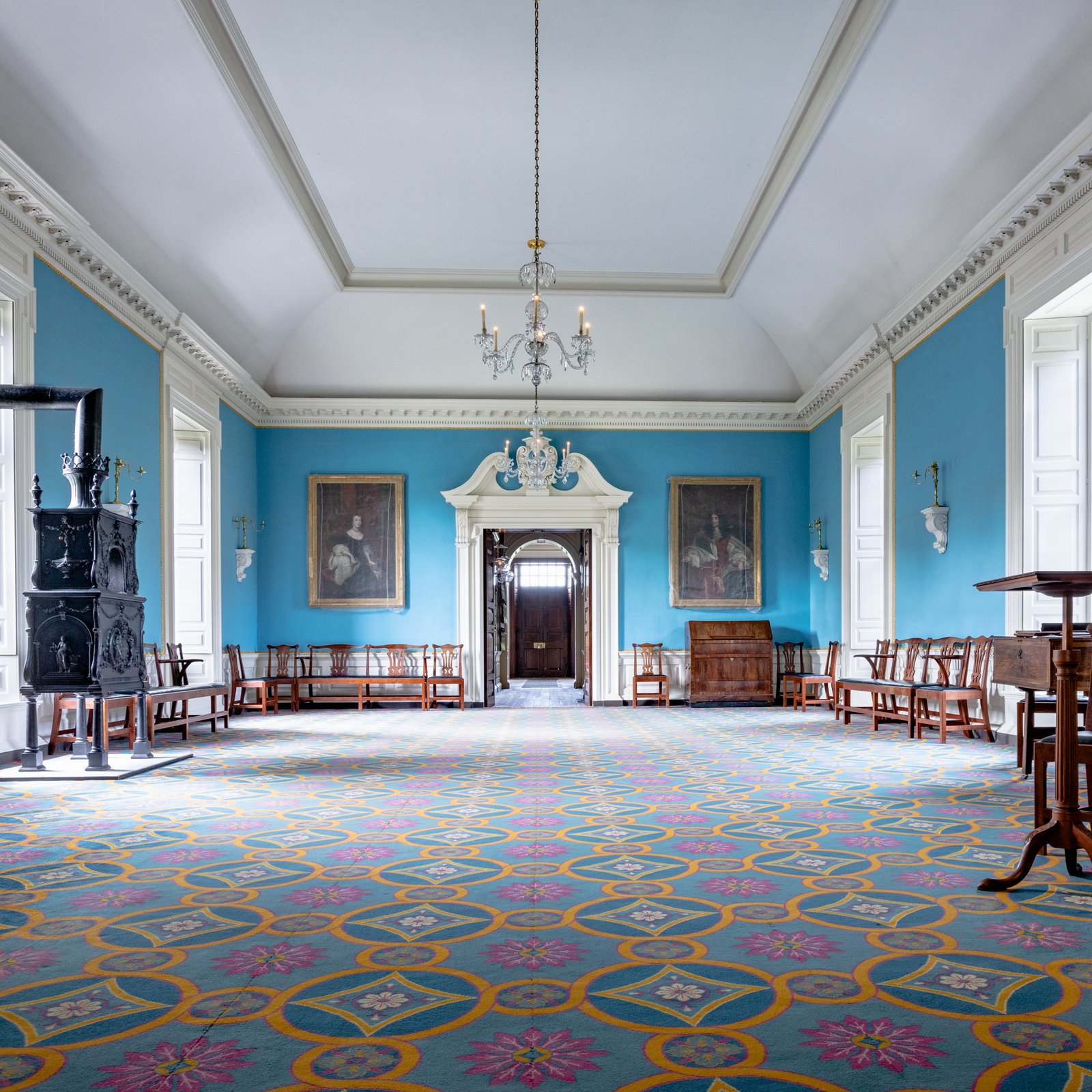
Mastery
In 1711, Byrd and Lucy had a fierce fight because she wanted to pluck her eyebrows before going to a ball held by the governor in Williamsburg. He triumphantly announced that he “got the better of her, and maintained my authority.”[23]
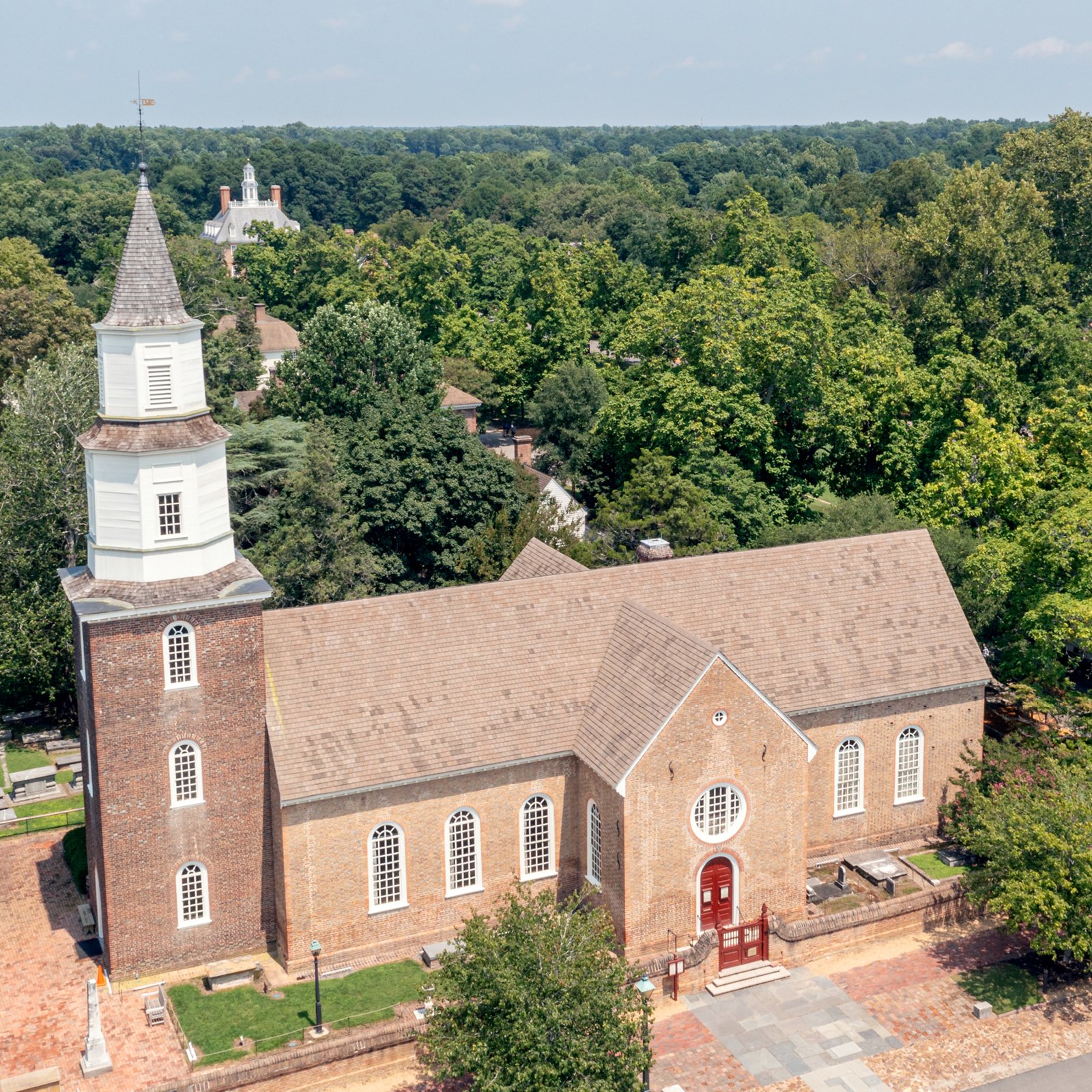
Falling Asleep in Church
Alongside his more serious transgressive acts, Byrd also listed his more minor sins. He once noted “Nothing could hinder me from sleeping at church, though I took a great deal of pains against it.” Pictured is Bruton Parish Church, where Byrd attended while in Williamsburg.[24]
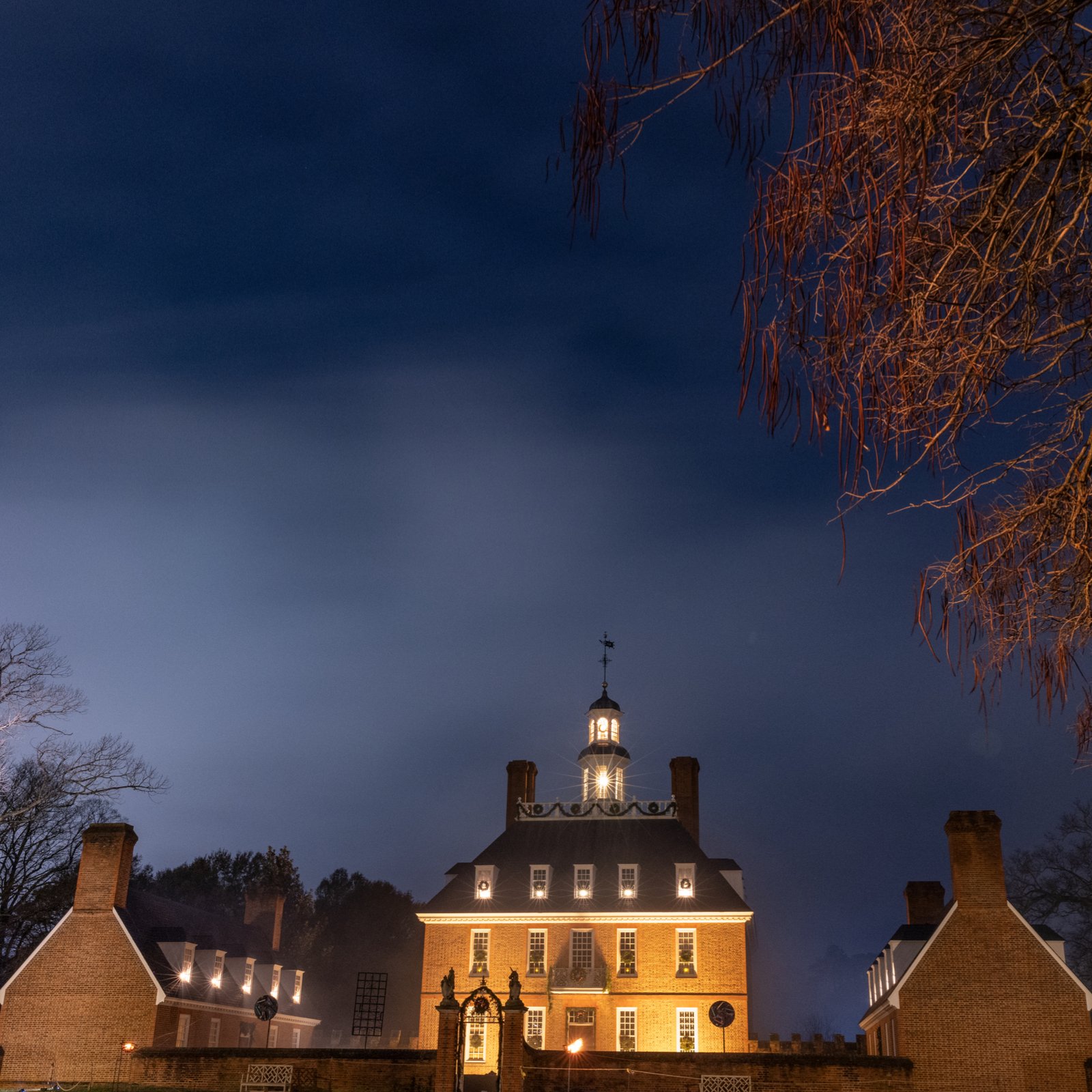
Dance of Revenge
When Virginia Lieutenant Governor Alexander Spotswood angered Byrd and his friends, they took “revenge about 2 o’clock in the morning” by waking him with a dance “just at his bed’s head.”[25]
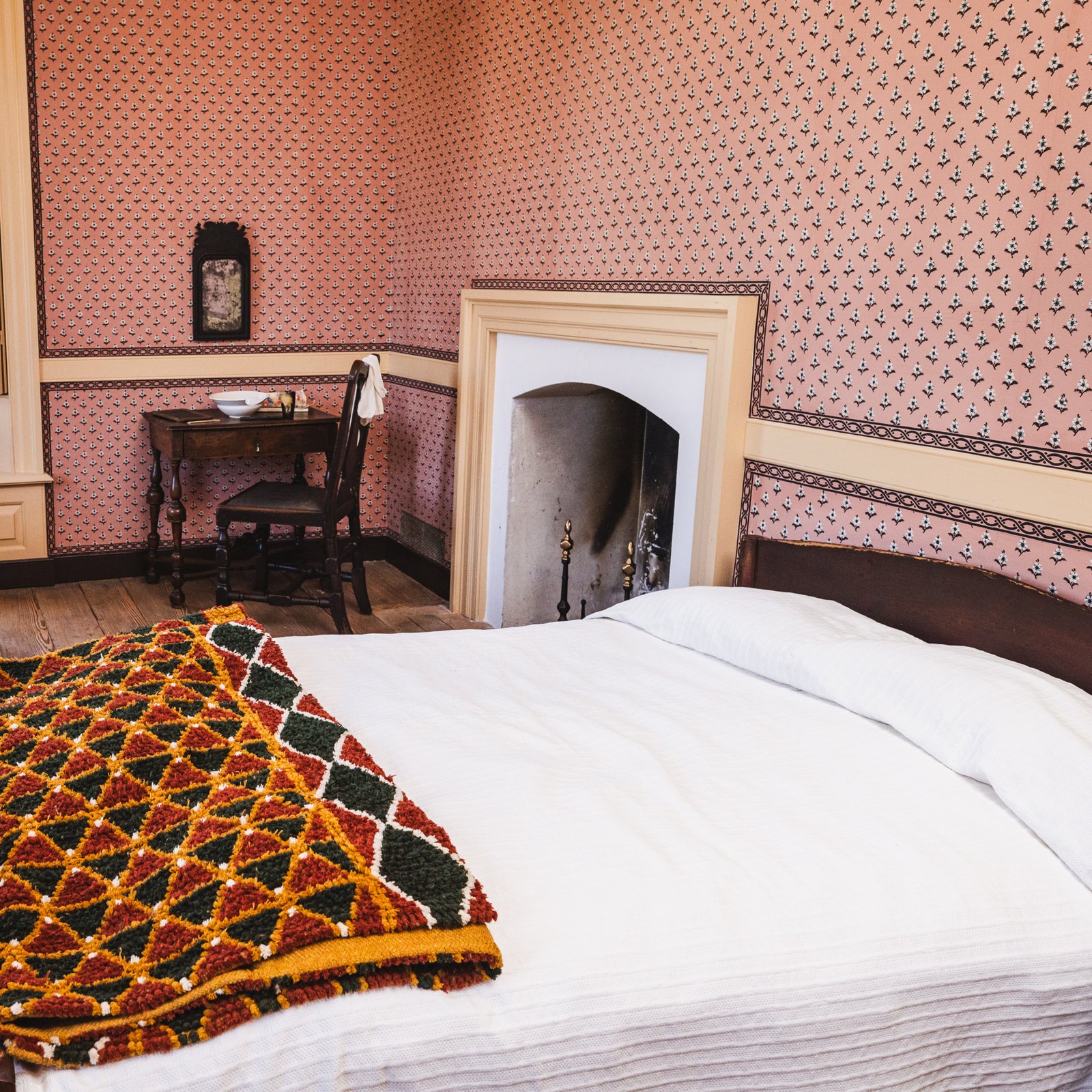
Lust
Byrd’s diary regularly recounts sexual encounters with his wife, as well as his attempts to seduce and touch other women. He once recalled kissing Mrs. Chiswell in his own bedchamber “till she was angry and my wife also was uneasy about it.” In his diary, he expressed guilt “for the lust I had for another man’s wife.”[26]
Cover image: Title Page of the John Harrower Diary, Richard Corbin Papers, DMS1971.5, Colonial Williamsburg Special Collections, John D. Rockefeller Jr. Library.