Philip Vickers Fithian’s Year in Virginia
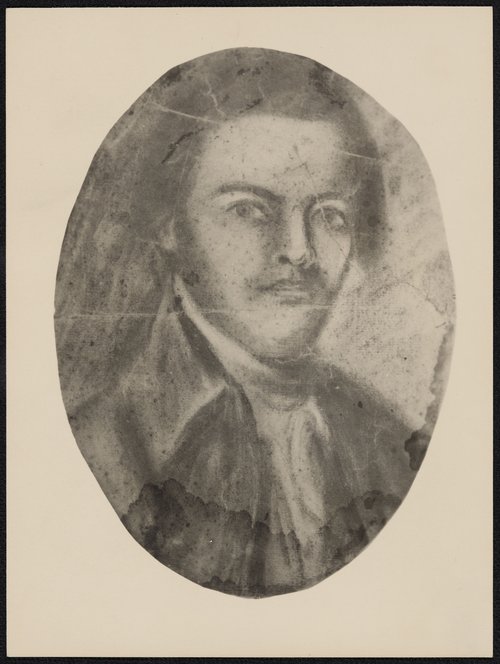
Philip Vickers Fithian. Princeton University Archives, Department of Special Collections, Princeton University Library.
Philip Vickers Fithian lived in Virginia from October 1773 to October 1774. He had recently graduated from the College of New Jersey (later Princeton) studying theology. He intended to become a Presbyterian minister but was lured to Virginia by an offer to teach the children of Robert Carter III, one of Virginia’s wealthiest and most powerful plantation owners. During his time working for the Carter family, he lived in their estate at Nomony Hall in Westmoreland County, near the southwestern banks of the Potomac River.
Fithian is remembered today because he wrote a remarkably perceptive diary during his Virginia year. Though New Jersey was hardly a distant planet, Fithian brought an outsider’s perspective to the colony, remarking often on the Virginians’ strange behaviors and attitudes. His diary is one of our best portals into the rhythms of rural life in eighteenth-century Virginia, from holiday rituals to enslaved peoples’ material culture to horseracing to dancing to fashion. Today, Fithian’s observations help us all better understand what life was like in Virginia on the eve of revolution.
Life at Nomony Hall
Living in the Carters’ plantation estate Nomony Hall, Fithian spent nearly all his time with the Carter family and their enslaved people. He spent his days in the classroom, teaching seven of Carter’s children, a nephew, and occasionally an enslaved boy named Dennis. He taught every subject simultaneously across all levels. He might turn from teaching the youngest ones about the rudiments of letters and numbers to walking the eldest through ancient Roman texts in Latin.1 He was a committed teacher, but sometimes struggled to hold his pupils’ attention.
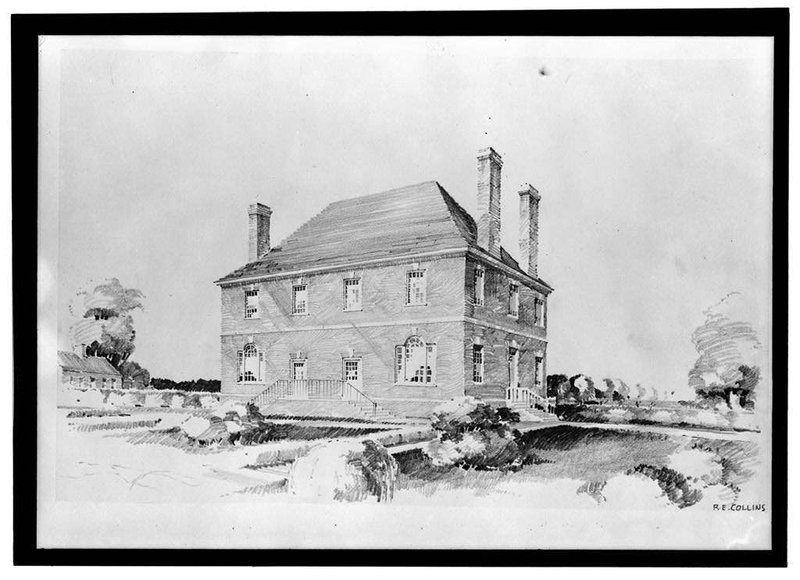
Nomony Hall. Courtesy of the Library of Congress.
Fithian got along well with the Carter family. He appreciated Robert Carter’s intelligence and took advantage of his “overgrown library.”2 He found Frances Ann Tasker Carter, the family matriarch, to be lively, fun, and surprisingly knowledgeable about politics.3 Like any teacher, he had favorites among the children. He enjoyed teaching the intelligent older son Ben, whom he called a “Boy of genius.” But he struggled with the unruly son Bob, whom he was asked to “correct” through whipping.4

A Day in Fithian’s Life
On December 15, 1773, Fithian wrote in his diary, “The manner here is different from our way of living” in New Jersey. He then sketched out an average day. Scroll to follow his day.

First Light
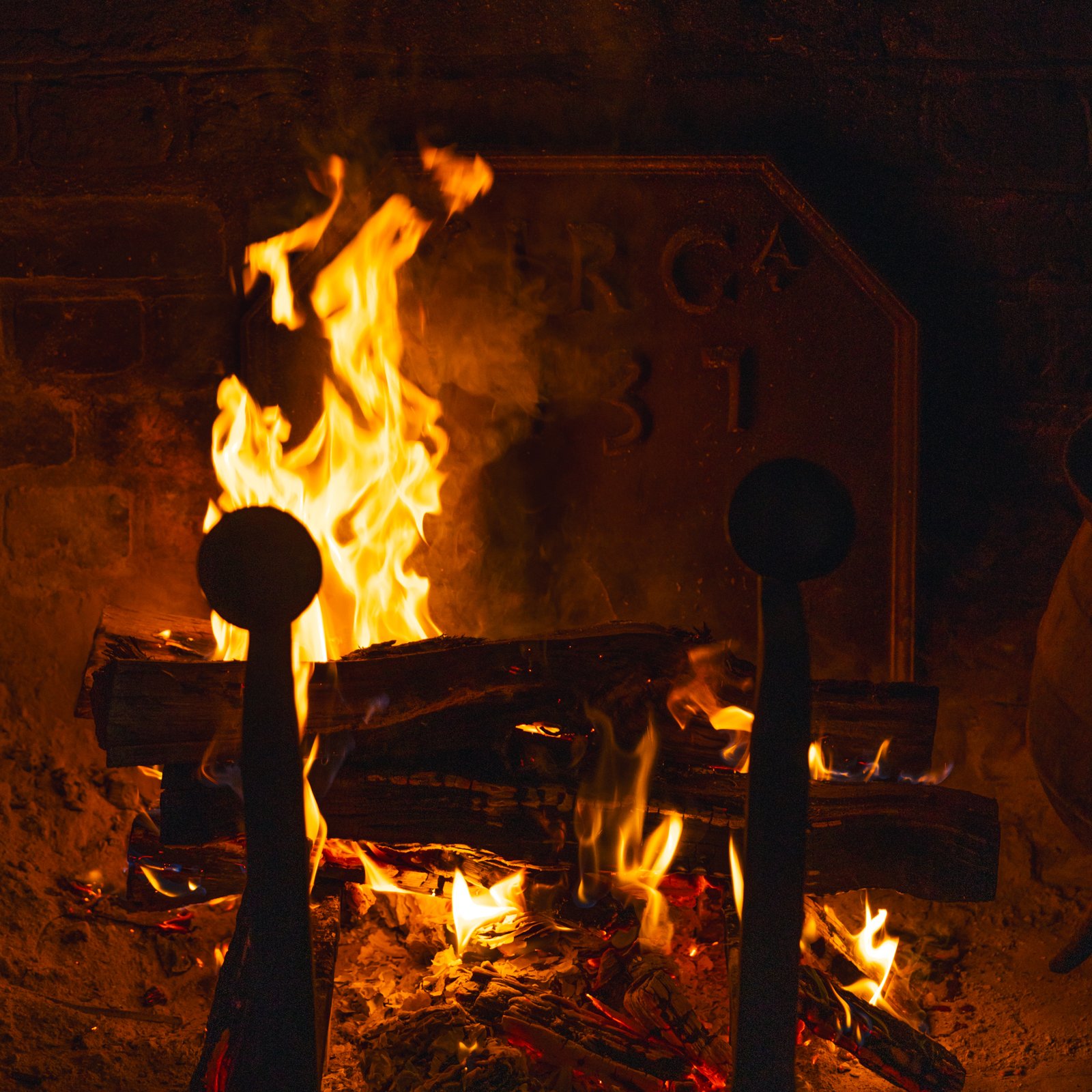
On this midwinter morning, Fithian’s day began when an enslaved boy knocked on his door: “In the morning so soon as it is light a Boy knocks at my Door to make a fire; after the Fire is kindled, I rise.”
School Begins
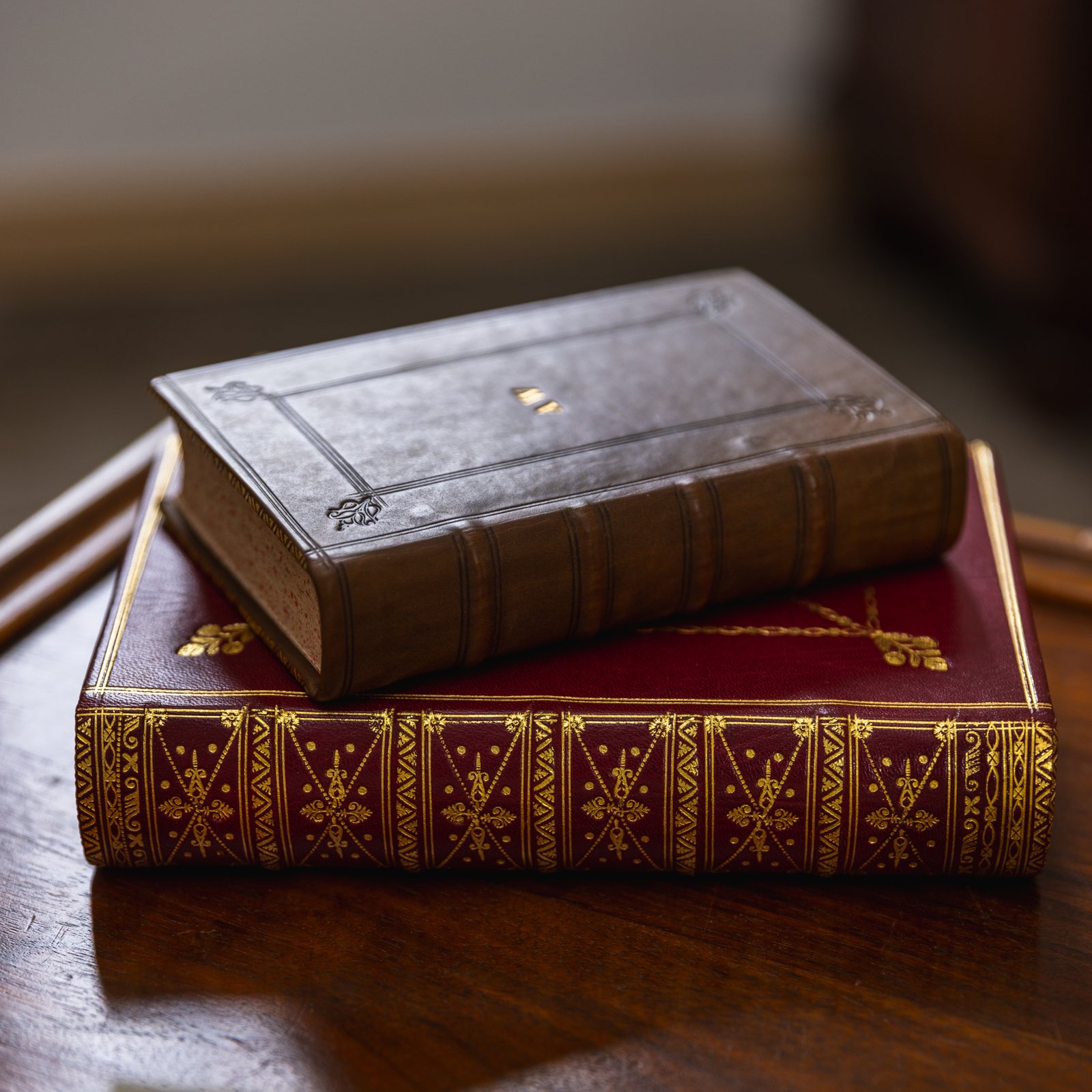
Once dressed, he and the children would “enter the School-Room, which is under the Room I sleep in.”
Meals and Lessons
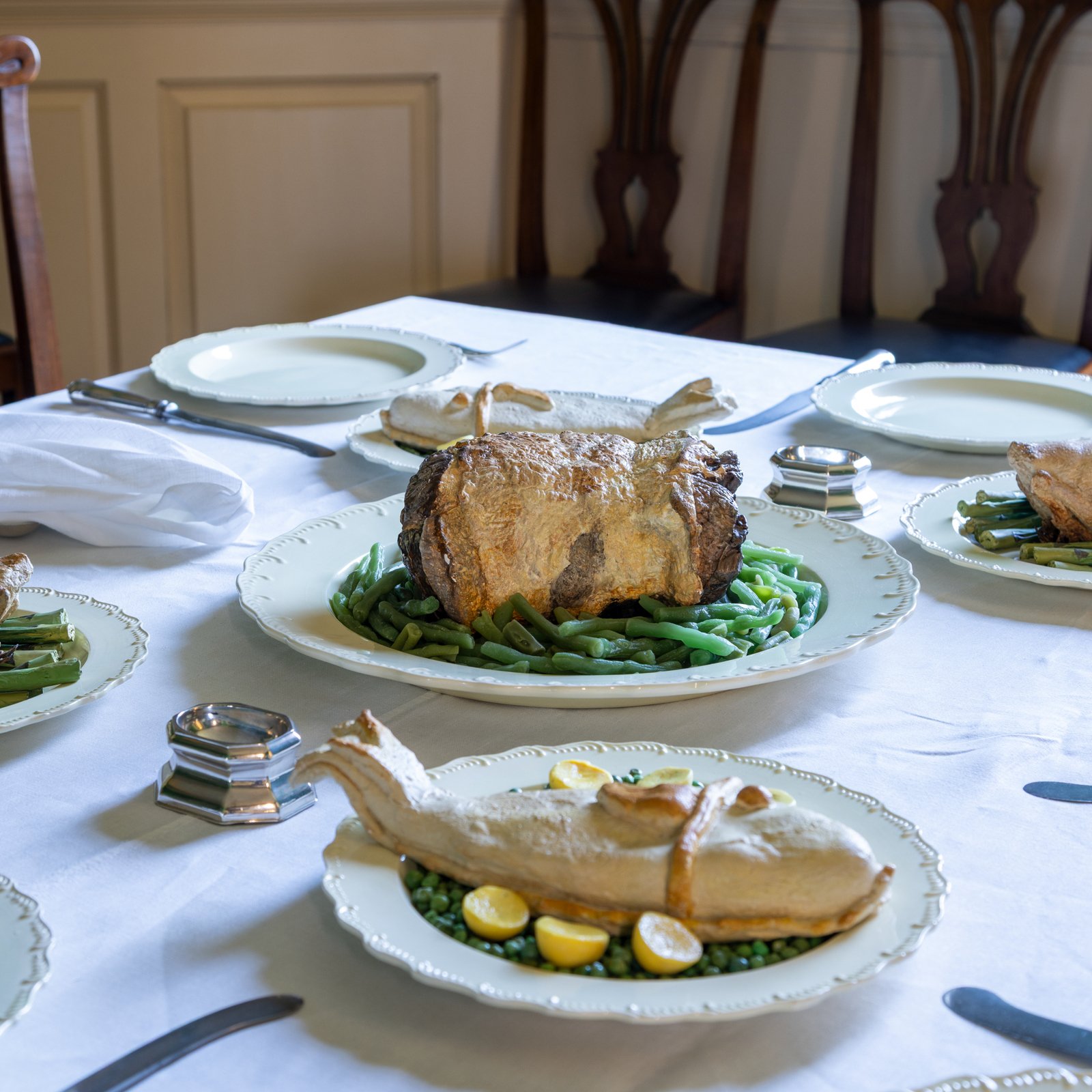
After one lesson, they left for breakfast. Then it was more school, punctuated by bells ringing for meals at noon and mid-afternoon, until about five in the evening. Fithian marveled at the lavish meals, prepared and served by enslaved workers.
Evening Alone
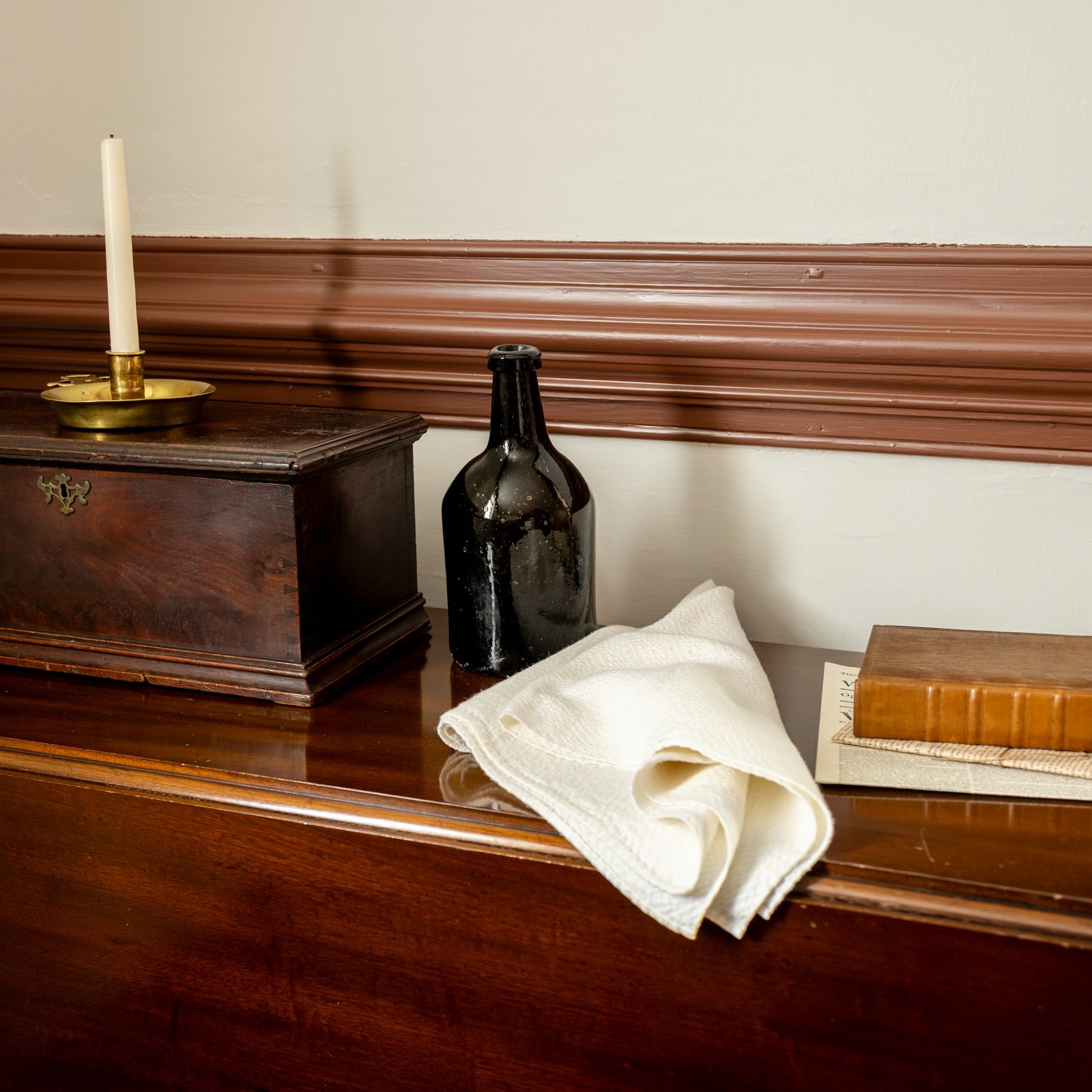
After dinner, Fithian spent an evening in his chamber, with “a large Fire, Books, & Candle and my Liberty.” After supper at around 8:30pm, he went to sleep “between ten and Eleven.”
Bedtime
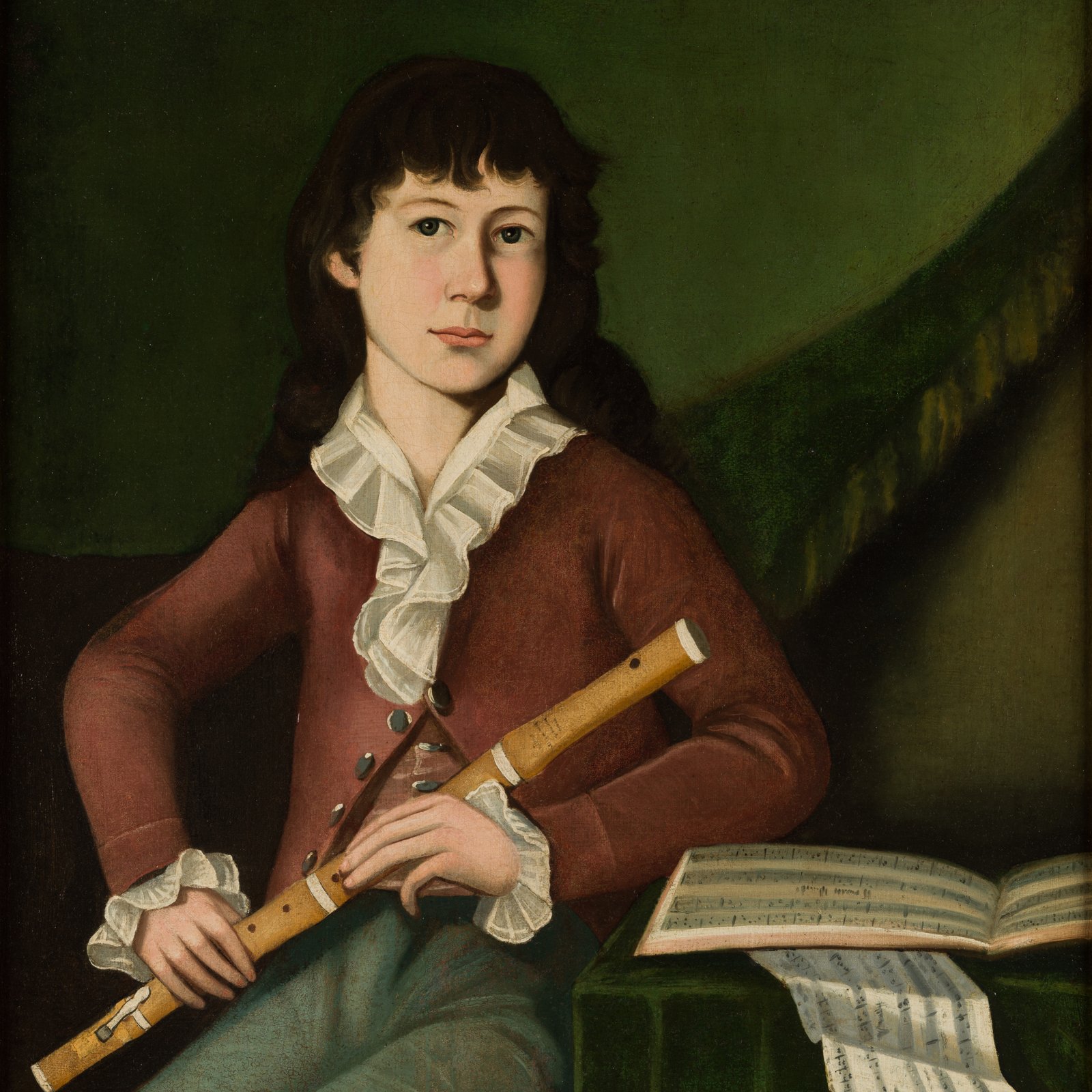
Two months later, Fithian made a deal with one of his students. In exchange for a small payment, Ben would “play the Flute every Night, or read for me, twenty minutes after I am in Bed.”[5] Image: CWF Art Museums.
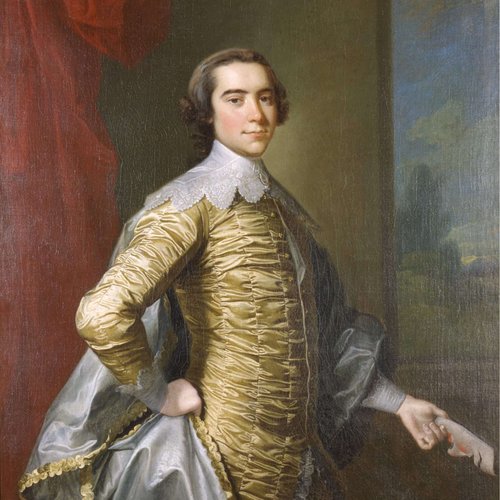
Portrait of Robert Carter III. Courtesy of the Virginia Museum of History & Culture.
Fithian wrote frequently about slavery, enslaved people, and enslavers. His diary records many interactions with the enslaved people of Nomony Hall. He asked about their lives, got to know them, and tipped them. When an enslaved child became ill and died, Fithian read prayers at the grave at the parents’ request. In July, he drew up a list of the descendants of one older enslaved man known as Dadda Gumby, who thanked him profusely with offers of eggs, apples, and potatoes from his personal supply. Later that month, when he learned that Fithian was declining to go to church because of the excessive heat, Dadda Gumby declared, “Too hot to serve the Lord! Why I that am so old & worn out go on Foot.” Though abashed by this encounter, Fithian decided nevertheless to walk “to my Room & went none to Church.”6
Fithian believed the Carters were relatively humane toward the people they enslaved. Indeed, Robert Carter III was an unusual enslaver. Years after Fithian left, Carter emancipated hundreds of enslaved men, women, and children. He emancipated more enslaved people during his lifetime than any individual in American history. But Fithian understood that this family’s attitudes were not the norm. His diary records the horrific tortures and indignities that neighboring enslavers devised for enslaved people. Fithian’s only solace was that “there is a righteous God, who will take vengeance on such Inventions!” He commented that the “ill Treatment” given to enslaved people would “almost justify them in any desperate attempt” to win the kind of treatment that Virginians gave to their horses.7
Williamsburg in Fithian's Diary
Fithian never visited Williamsburg, but his diary’s frequent mentions of the city reflect its role in the lives of Virginia’s gentry class. It was a place to gather, communicate, trade, practice law, and engage in politics. The diary gives a glimpse of what Williamsburg meant from the outside.
Memories
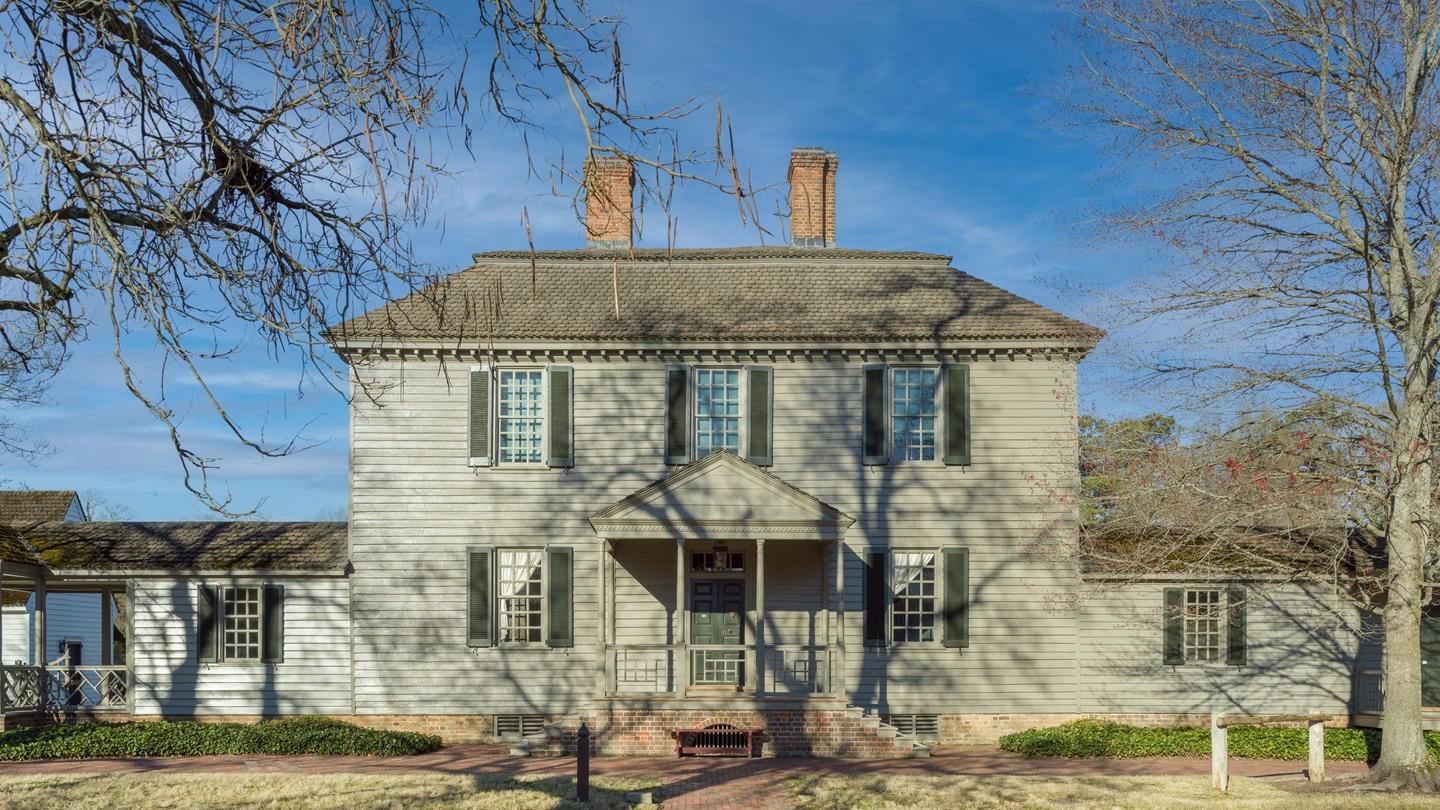
The Carters had recently relocated from their Williamsburg home. Mrs. Carter shared “droll, merry occurrences” from the city with Fithian.[8]
The Council Calls
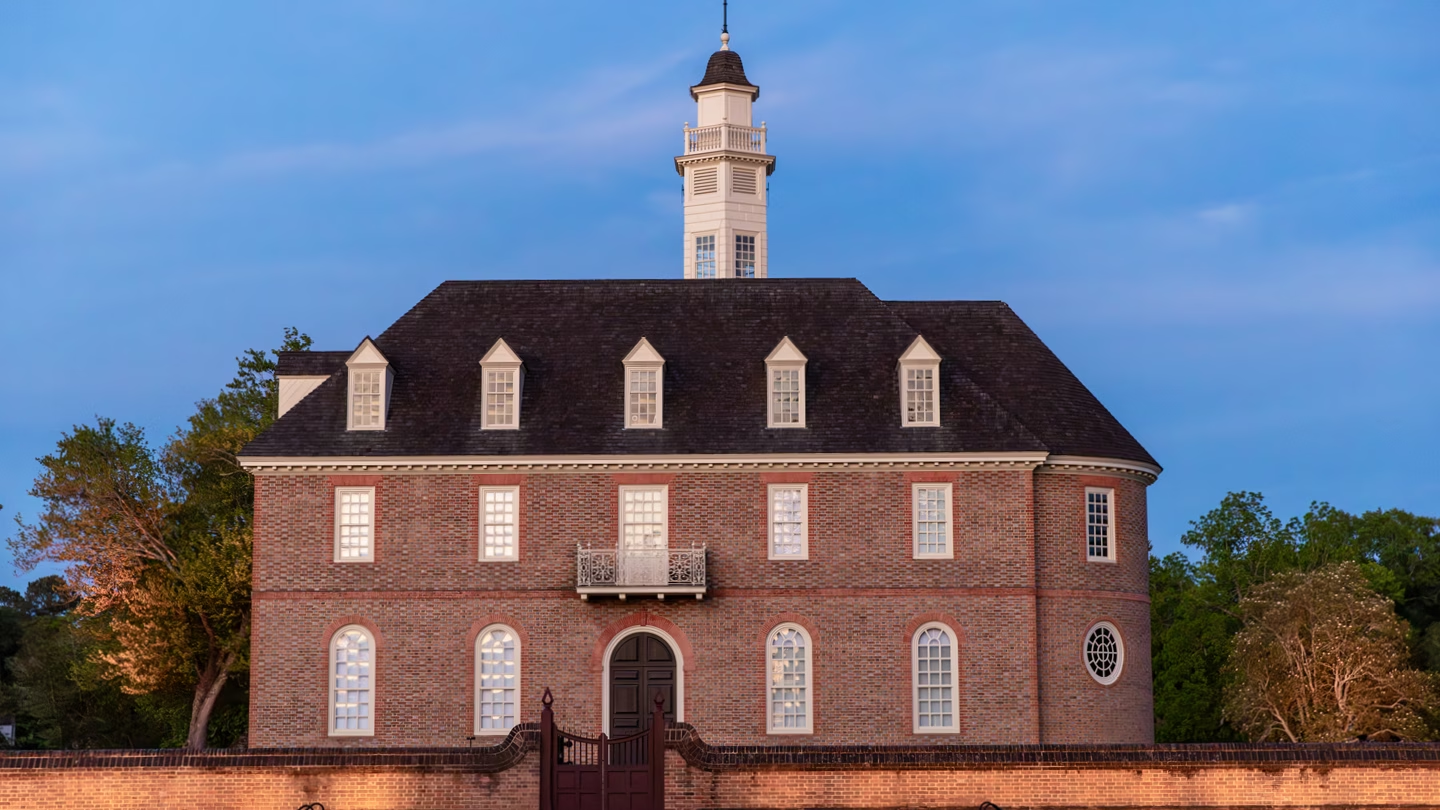
On April 8, Carter departed “for Williamsburg, to the general Court, which sits twice a year.” These comings and goings set the household’s rhythms.
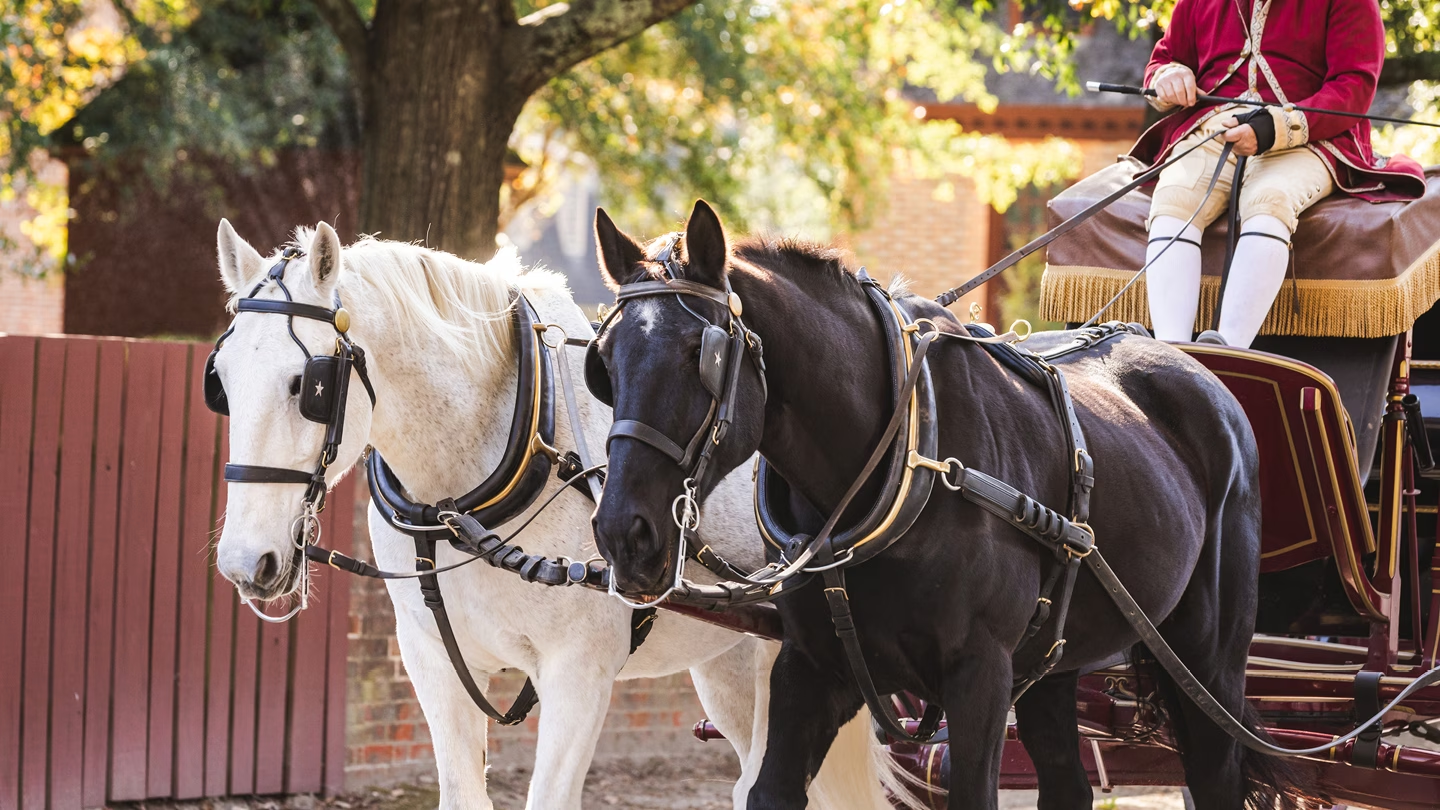
Destination Williamsburg
After Carter left, Fithian and Ben Carter planned to travel to Philadelphia. But his mother demanded he accompany her to Williamsburg instead. They left anyway.
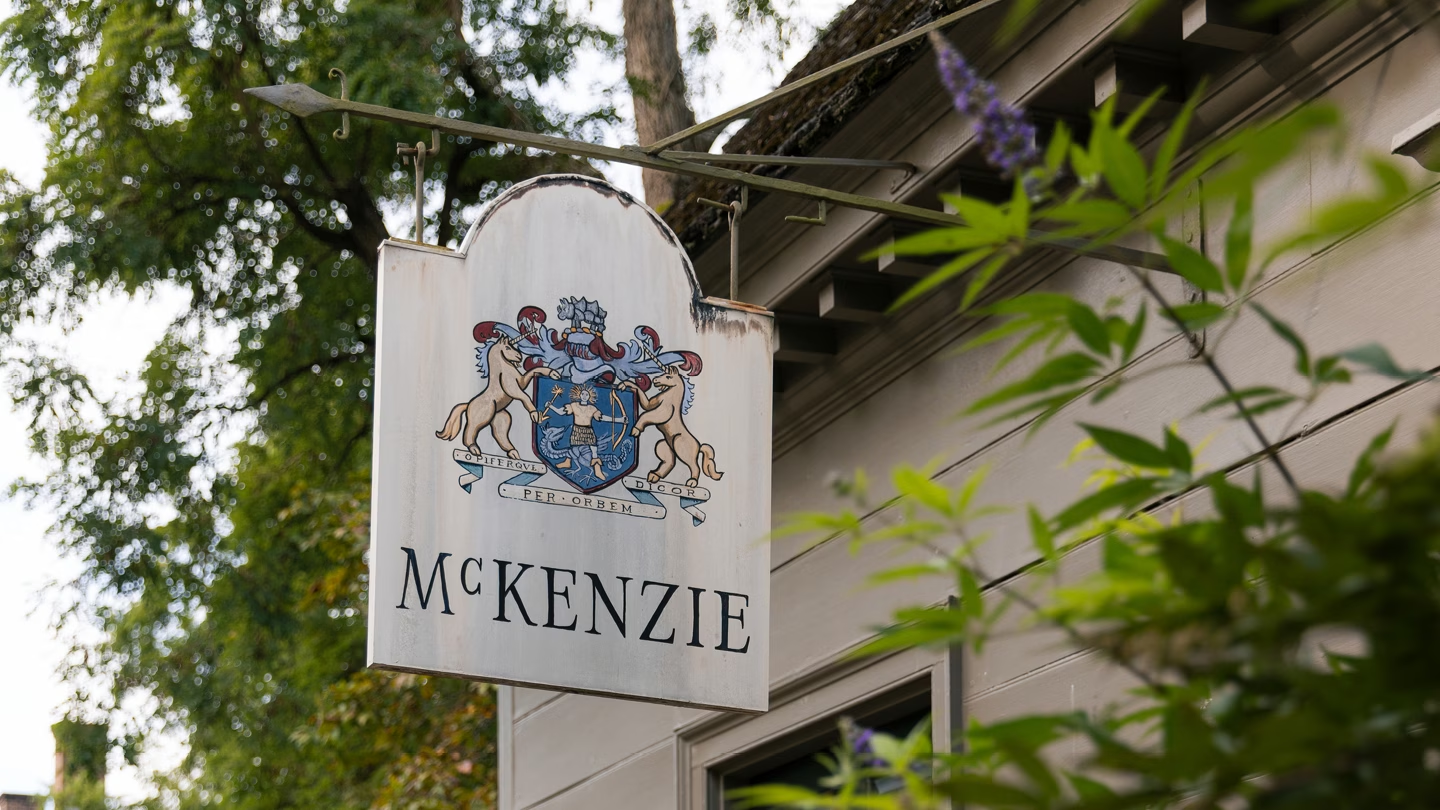
Disease
Carter returned from a June visit to the capital with an illness afflicting many in town. Fithian soon felt “a sickness at my stomach” but recovered.
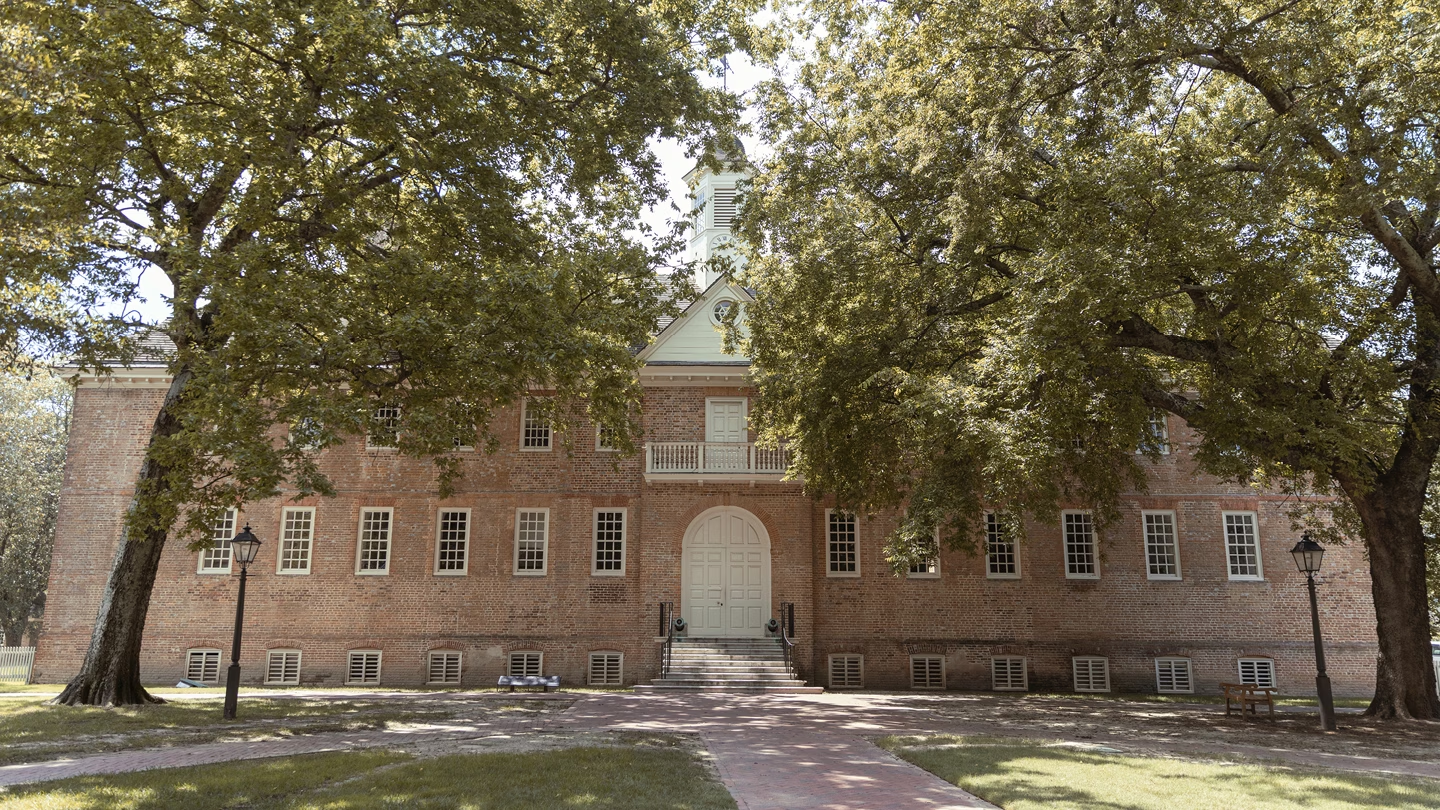
College in Confusion
Robert Carter told Fithian Williamsburg’s College of William & Mary was “so badly directed” that he wouldn’t send his children there.
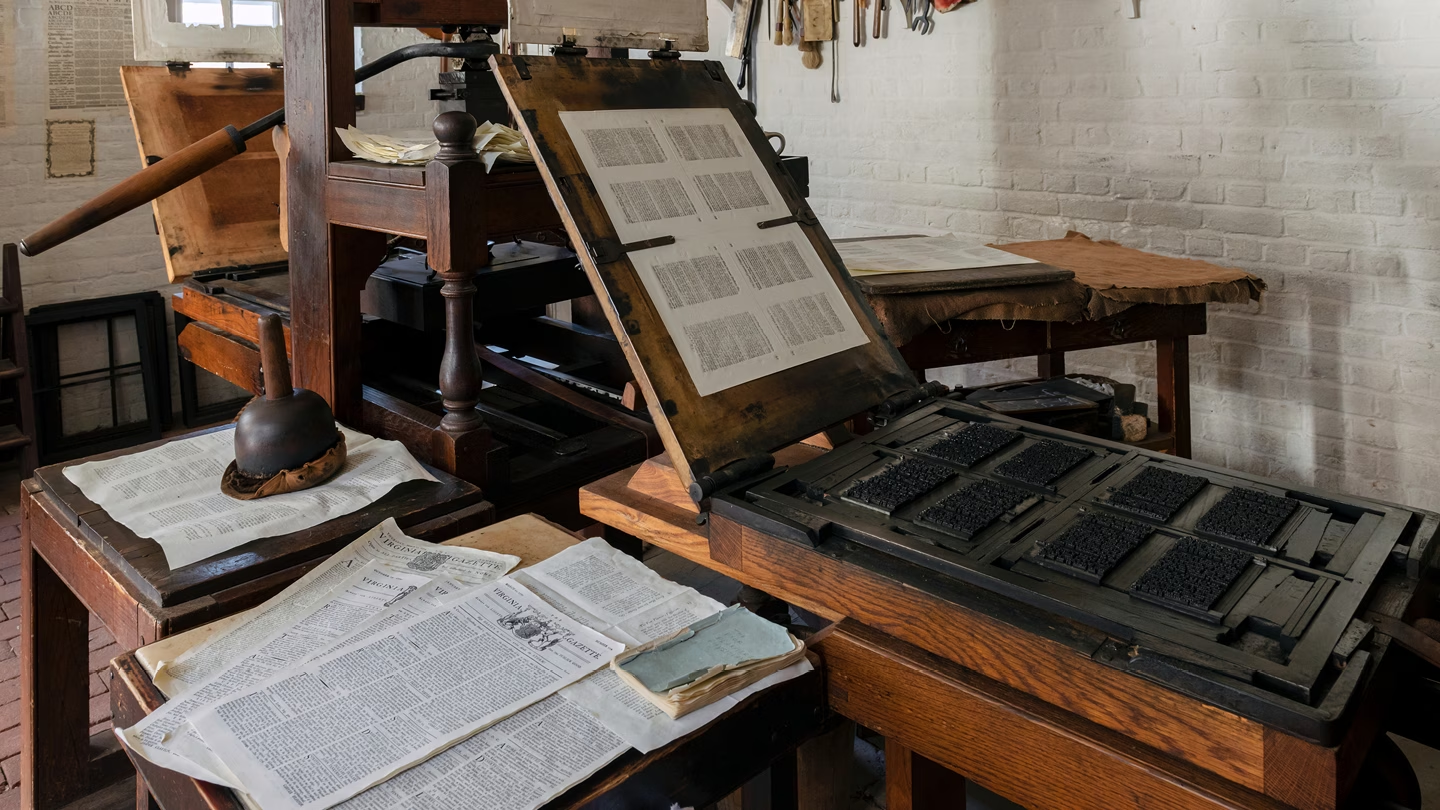
News of an Earthquake
Fithian likely read the Williamsburg newspapers. In March he wrote that the “virginia Papers” told of “an Earthquake felt… at Williamsburg.”
Culture Shock
While Fithian generally enjoyed living alongside the Carters, he was often less pleased by what he found in the rest of Virginia. Virginians’ exuberant sociability exhausted the naturally reserved and contemplative Fithian. He did not know how to dance, causing him unending embarrassment and leading him to avoid many social activities. On one occasion, his excuse for not attending an election (at that time an important social event) was because he was too busy mastering a math trick. As he prepared to leave Virginia, he reflected that while some Virginians called him “dull” and “unsociable,” his quiet nature had also served him well, because others were pleased to have a virtuous, strict person teaching their children.9
Yesterday & to-day I am strongly solicited to dance. I decline however & must persevere.
— Philip Vickers Fithian, March 31, 1774
Before he left for Virginia, Fithian had been warned that its people were “profane, and exceeding wicked.” He likely returned home with this impression strengthened. The violence of Virginia society continually shocked him. He reported about two “fist Battles” planned as a public spectacle, where “every diabolical Stratagem for Mastery is allowed & practiced, of Bruising, Kicking, Scratching, Pinching, Biting, Butting, Tripping, Throtling, Gouging, Cursing, Dismembring, Howling, &c.” He also recorded shocking episodes of domestic violence among the neighboring households.10
Returning Home
When Fithian decided to return home, he disappointed the Carters, who hoped he would remain in his role indefinitely. But he wanted to marry Elizabeth Beatty, also called “Laura,” whom he wrote to, and about, often. He also wished to enter the Presbyterian ministry.11
He accomplished both goals upon his return to New Jersey. He became a missionary and traveled through the Pennsylvania and Virginia backcountries, before joining the Revolutionary War as a chaplain for an infantry battalion. Tragically, he died of dysentery in October 1776. Today, we would not know Fithian if not for the diaries and papers his family preserved for years. Without this record of his life, he would be just another name among the thousands of unglamorous deaths during the Revolutionary War. But the death of this young man is most tragic because his writings reveal his sensitive, shy nature and his commitment to recording the injustices around him.