Audrey Noël Hume: Colonial Williamsburg Archaeologist, Curator, and Conservator
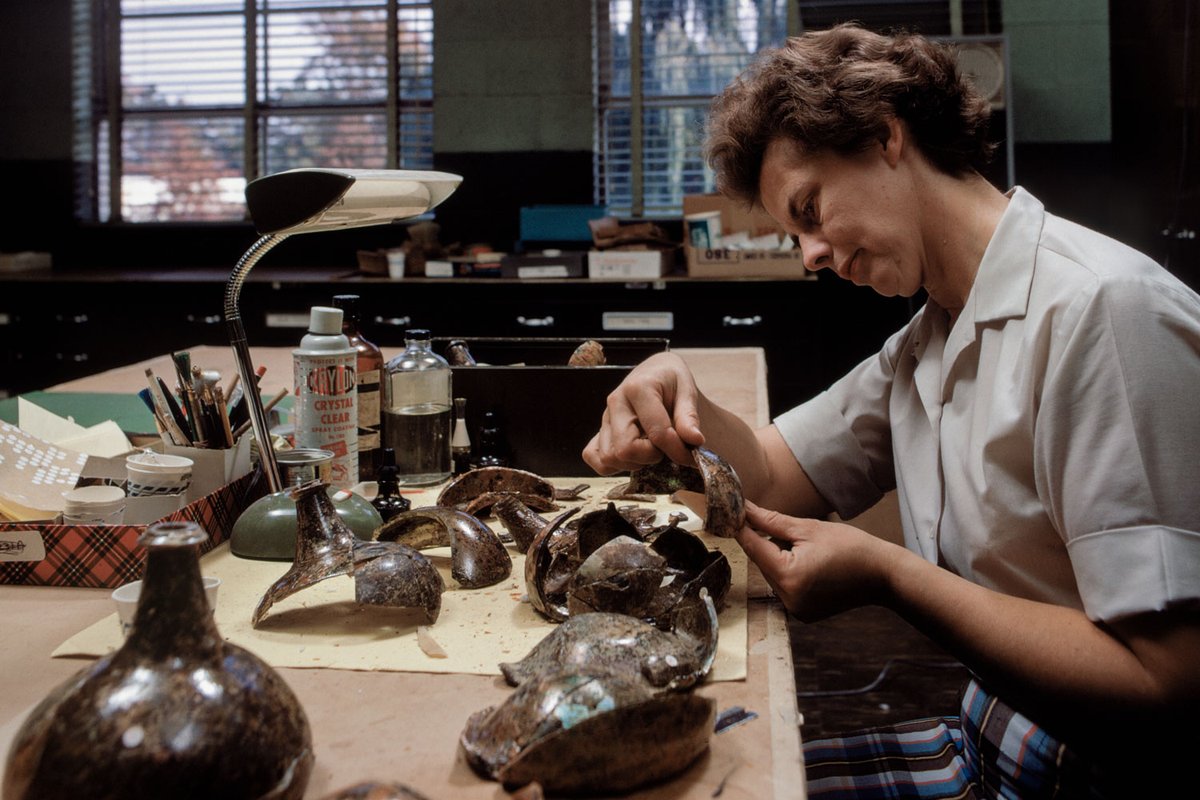
One of the first professionally trained archaeologists at Colonial Williamsburg, Audrey Baines Noël Hume made important contributions to understanding the story of Williamsburg’s complex eighteenth-century community. While she is often known today as the wife of archaeologist Ivor Noël Hume, she was a prolific and influential archaeologist in her own right. She led a growing archaeological lab for Colonial Williamsburg where she studied, preserved, and reconstructed innumerable artifacts.
Ivor Noël Hume’s debt to Audrey is summarized in the dedication of one of his books, published the year after her death: “In Memory of my Beloved Audrey who for 43 years did so much of the work and received so little of the credit.”1 If Ivor is known today as one of the “fathers” of historical archaeology for his work for Colonial Williamsburg, Audrey Noël Hume is surely one of its mothers.
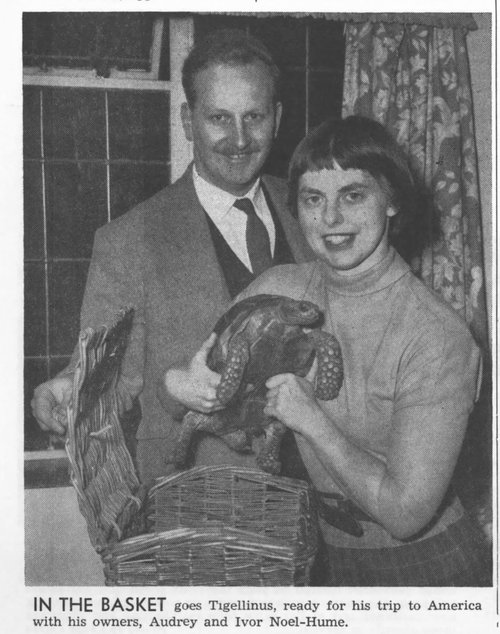
Tigellinus first appeared in the pages of the CW News, Colonial Williamsburg’s staff newsletter, in 1957. Colonial Williamsburg News 9 (no. 10, March 1957), p. 4.
Early Life
Born in Wimbledon, England, Audrey Baines studied history at Bristol University and archaeology at the University of London. She met Ivor Noël Hume as a volunteer during his early archaeological work for London’s Guildhall Museum. Ivor (who was never formally trained) later recalled that at that point, “Audrey knew a hell of a lot more about archaeology than I did.”2 At the Guildhall Museum, Audrey and Ivor forged a partnership—with him leading excavations, and her leading in the lab—that would define much of the rest of their career.
While in London, Audrey developed a keen interest in animals. Audrey and Ivor shared their home in London with many reptiles, which won them attention from the British media. Audrey and Ivor co-authored a book about caring for reptiles, while Audrey wrote a memoir called My Family of Reptiles describing their dozens of “cold-blooded yet warm-hearted creatures.” These including her seven childhood tortoises named after the dwarfs of Snow White, a charismatic tortoise named Tigellinus (or Tiggy), and two caimans named Ping and Pong who liked to watch television.3
Soon, the Noël Humes moved to Virginia to work for Colonial Williamsburg. When they left London in 1957, they had to find homes for their menagerie of forty-two tortoises and terrapins, two caimans, one lizard, a hedgehog, two crows, and a minah bird. They brought Tiggy with them to Williamsburg, where he quickly charmed the museum’s staff.4
Ivor Noël Hume
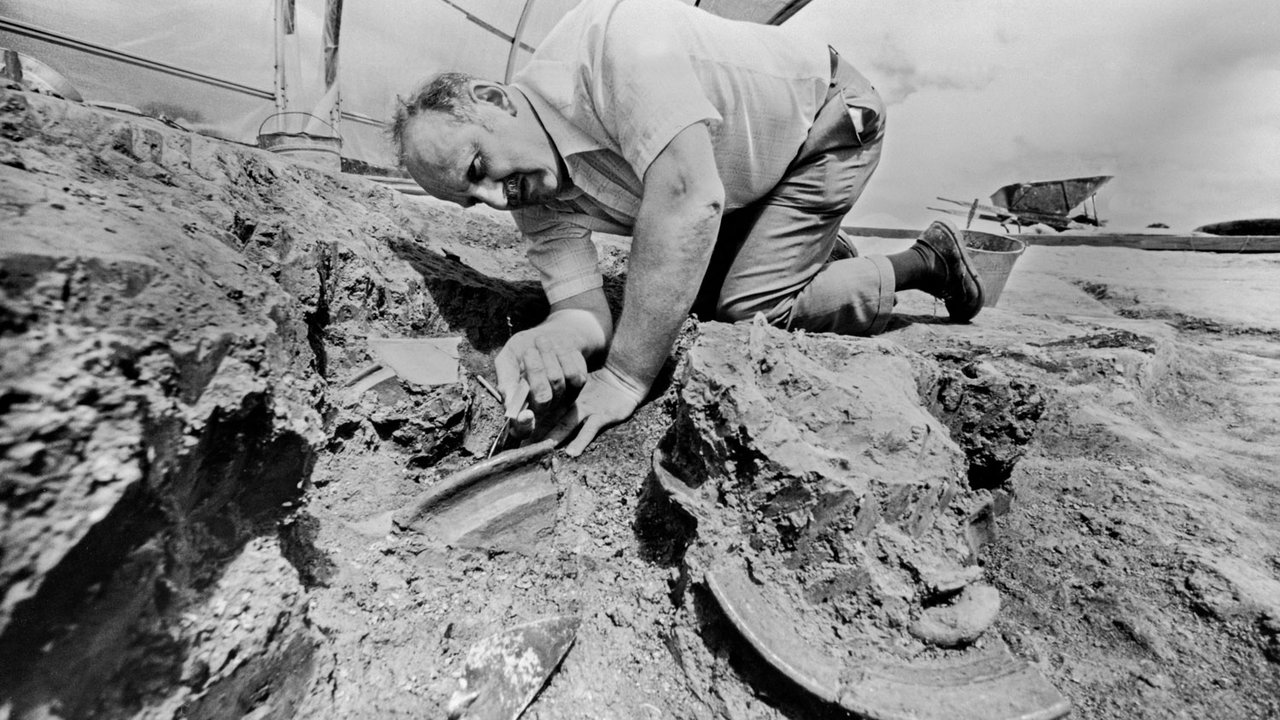
British archaeologist Ivor Noël Hume was the first Director of Archaeology at Colonial Williamsburg, working in that position from 1964 to 1982.
Colonial Williamsburg
Across decades of work at Colonial Williamsburg, Audrey Noël Hume worked on numerous excavations and archaeological projects. As curator of the archaeological collection from 1957 to 1982, Audrey oversaw the work of artifact processing and report writing. She completed many of those reports but spent much of her time deep in eighteenth-century artifact research. Prior to 1960, there had been little study of the everyday materials of eighteenth-century life. Audrey corrected that, writing scholarly articles about her discoveries in Williamsburg. She wrote extensively on topics ranging from garden archaeology to English tobacco pipes to early modern foodways and was an internationally recognized expert on seventeenth- and eighteenth-century English ceramics.5
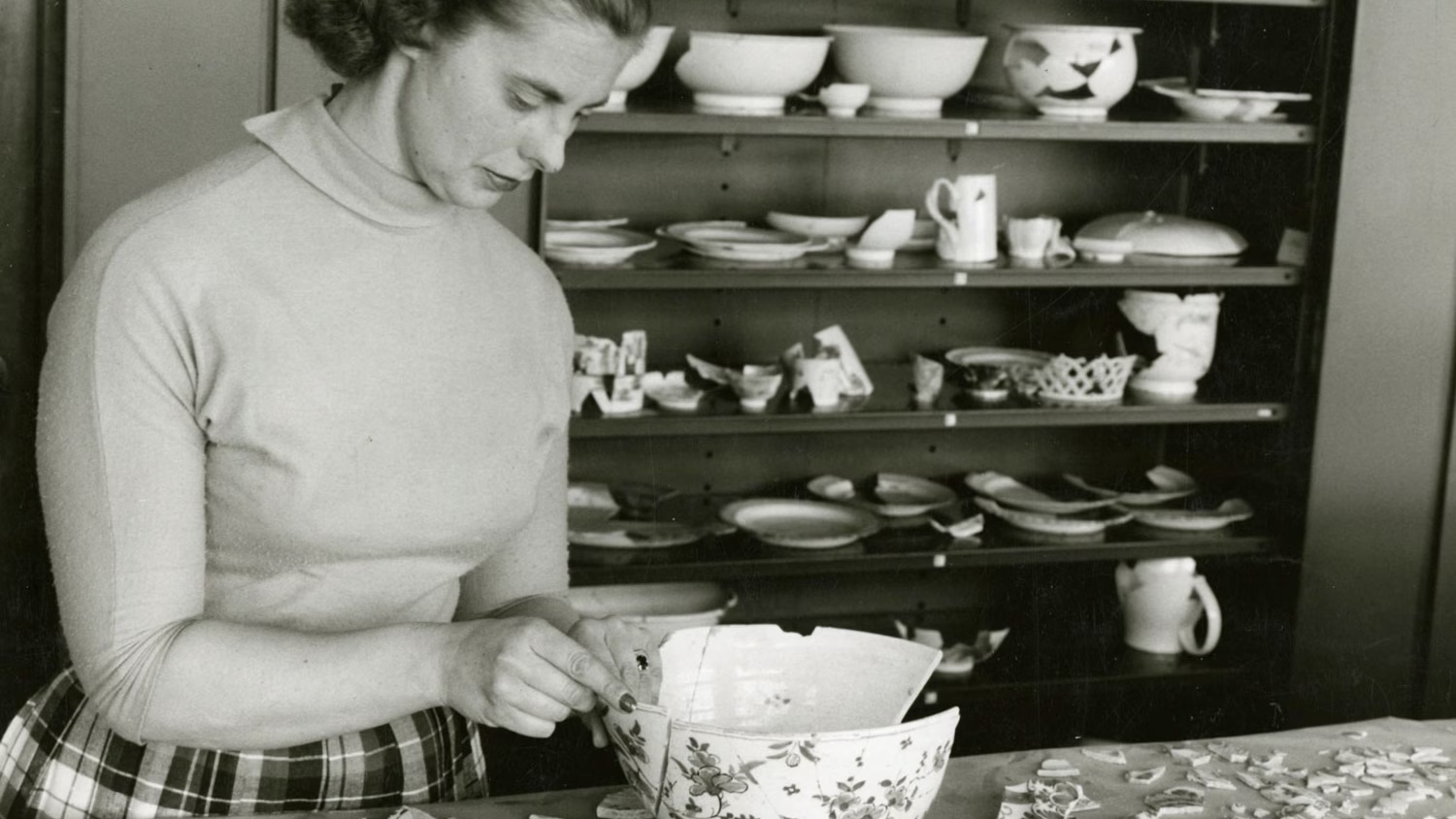
Audrey Noël Hume in Williamsburg
As an archaeological lab technician, conservator, and curator, Audrey Noël Hume was involved in decades of research for Colonial Williamsburg.
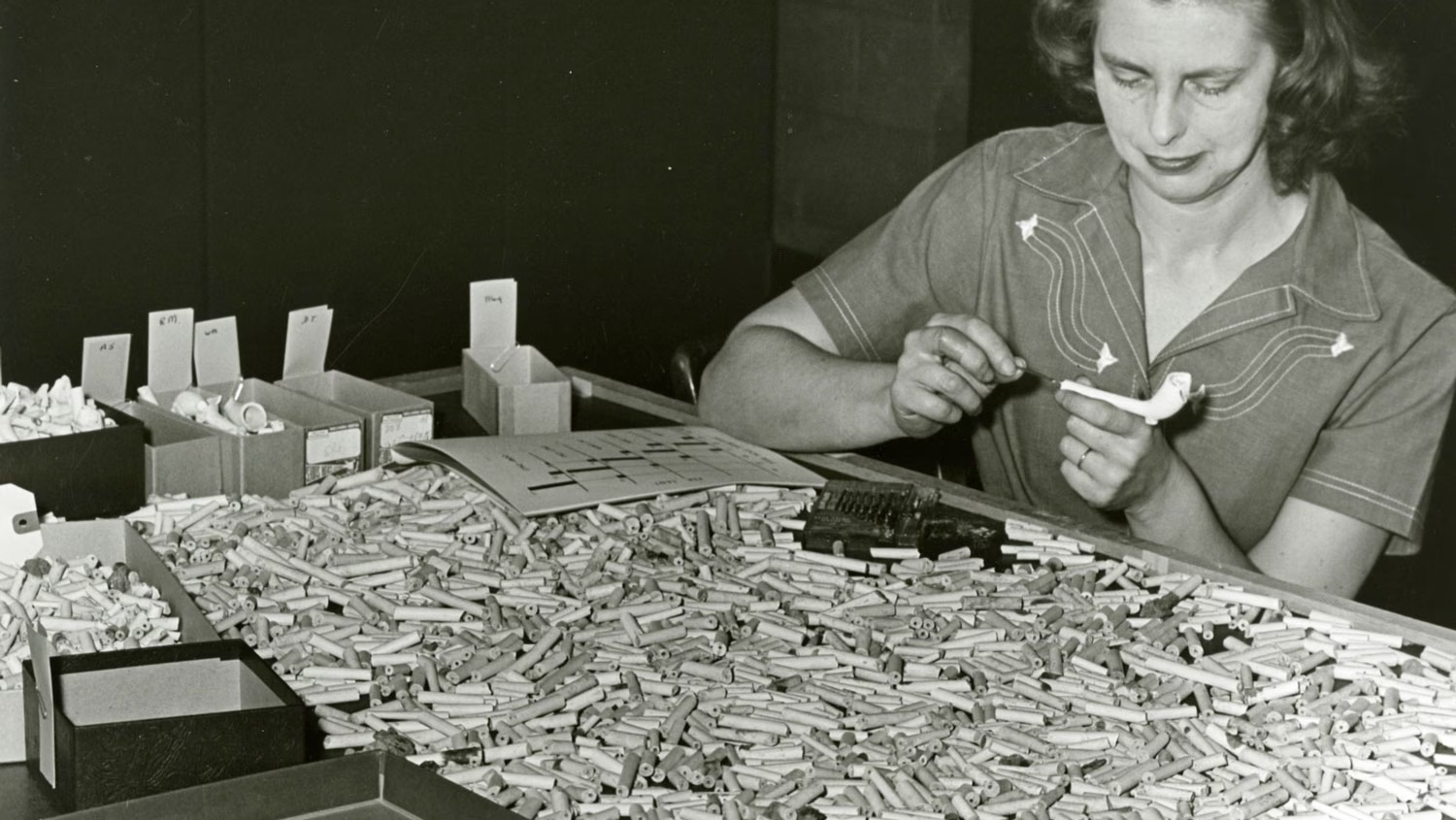
Tobacco pipes
Audrey Noël Hume is pictured with tobacco pipes, which archaeologists often use to date soil layers, since their proportions changed over time.
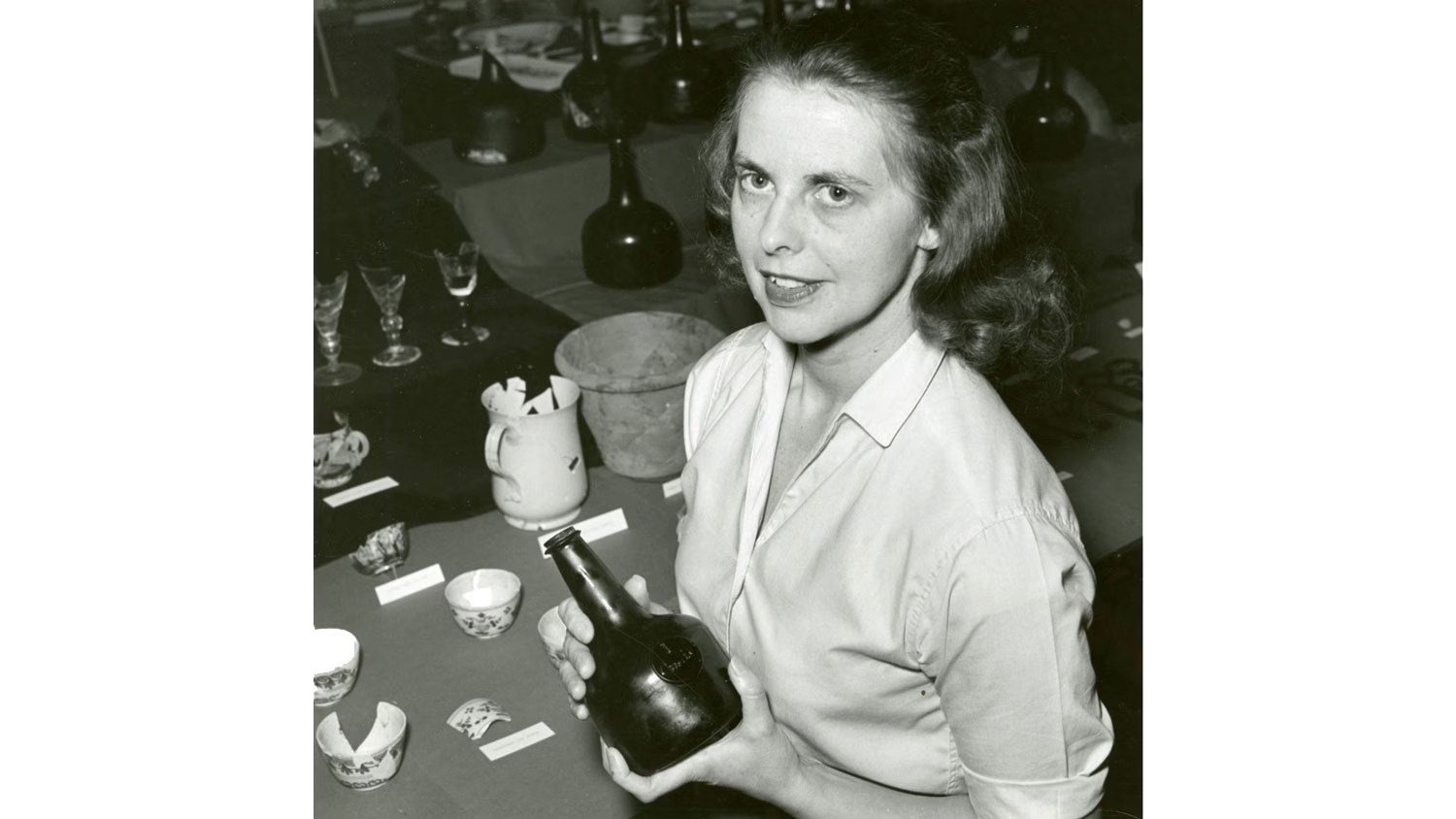
Putting the Pieces Together
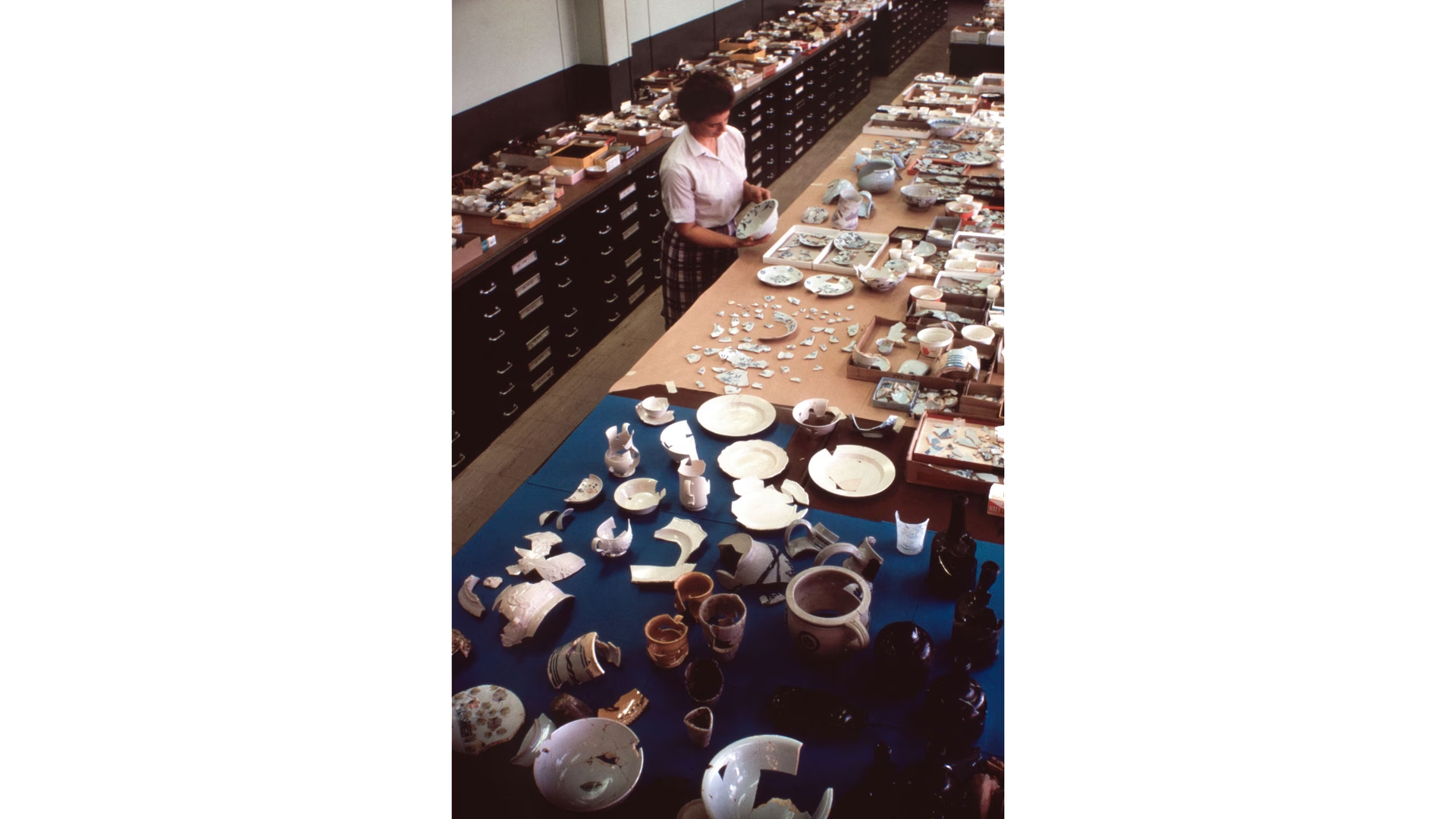
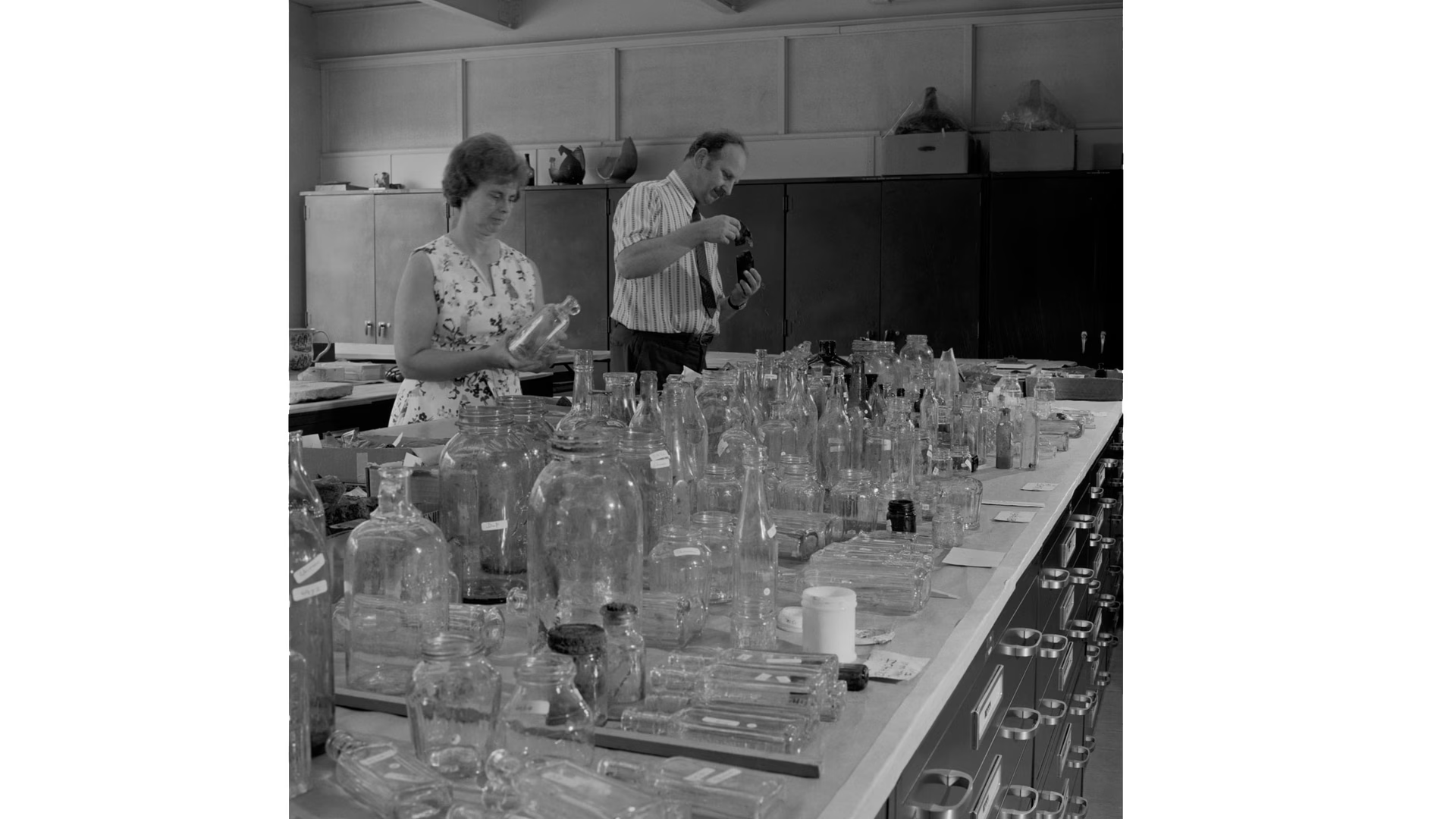
Audrey Noël Hume oversaw the identification and reconstruction of glassware, ceramics, pottery, and other items from recovered shards.
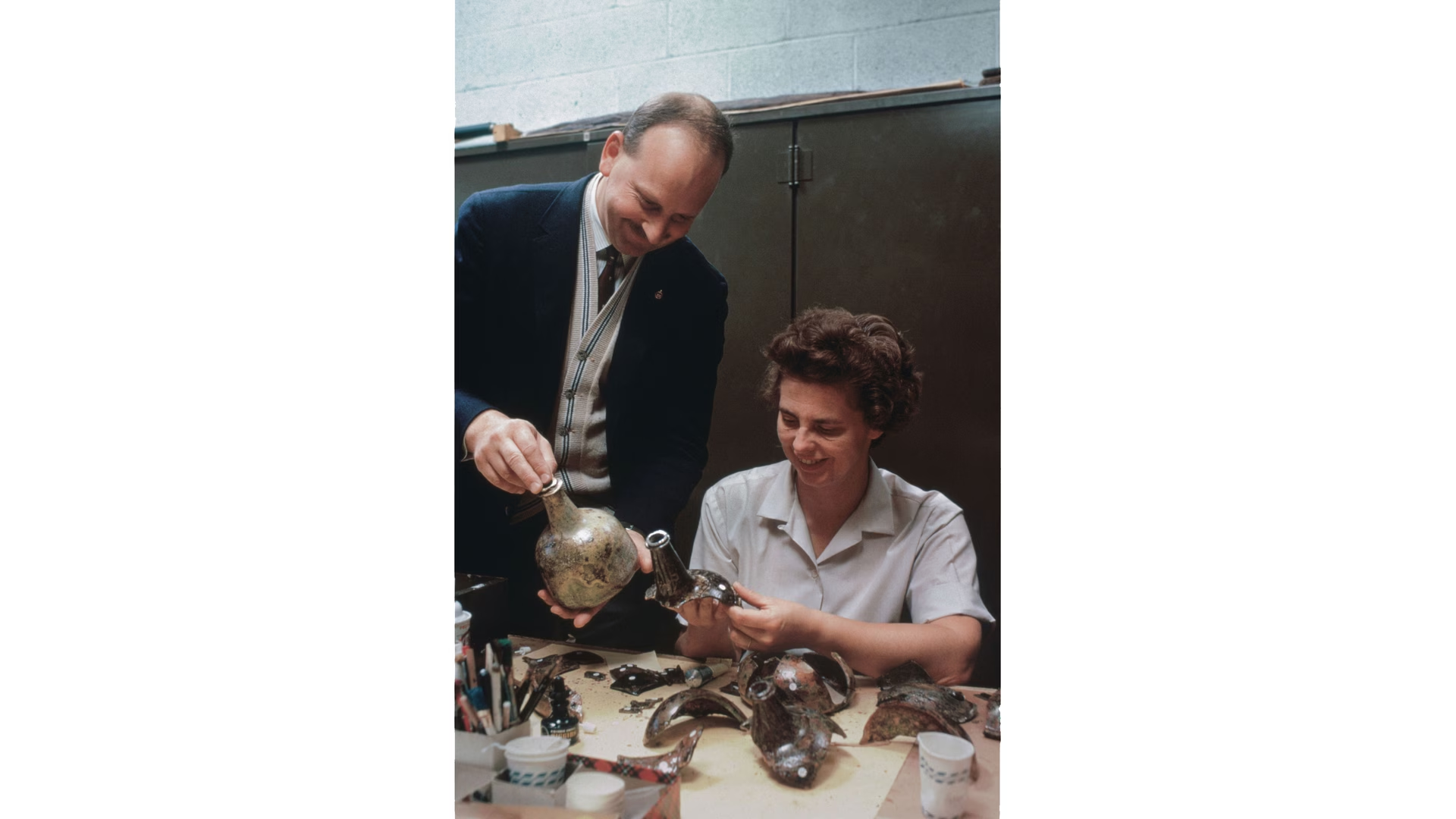
In the Lab
Audrey and Ivor Noël Hume examine ceramic fragments in the Archaeology Lab, circa 1969.
In the Lab
Audrey Noël Hume examining ceramic fragments in the Archaeology Lab, circa 1969
In the Lab
Audrey and Ivor Noël Hume sort glass bottle fragments in the Archaeology Lab, circa 1975.
Audrey’s Window
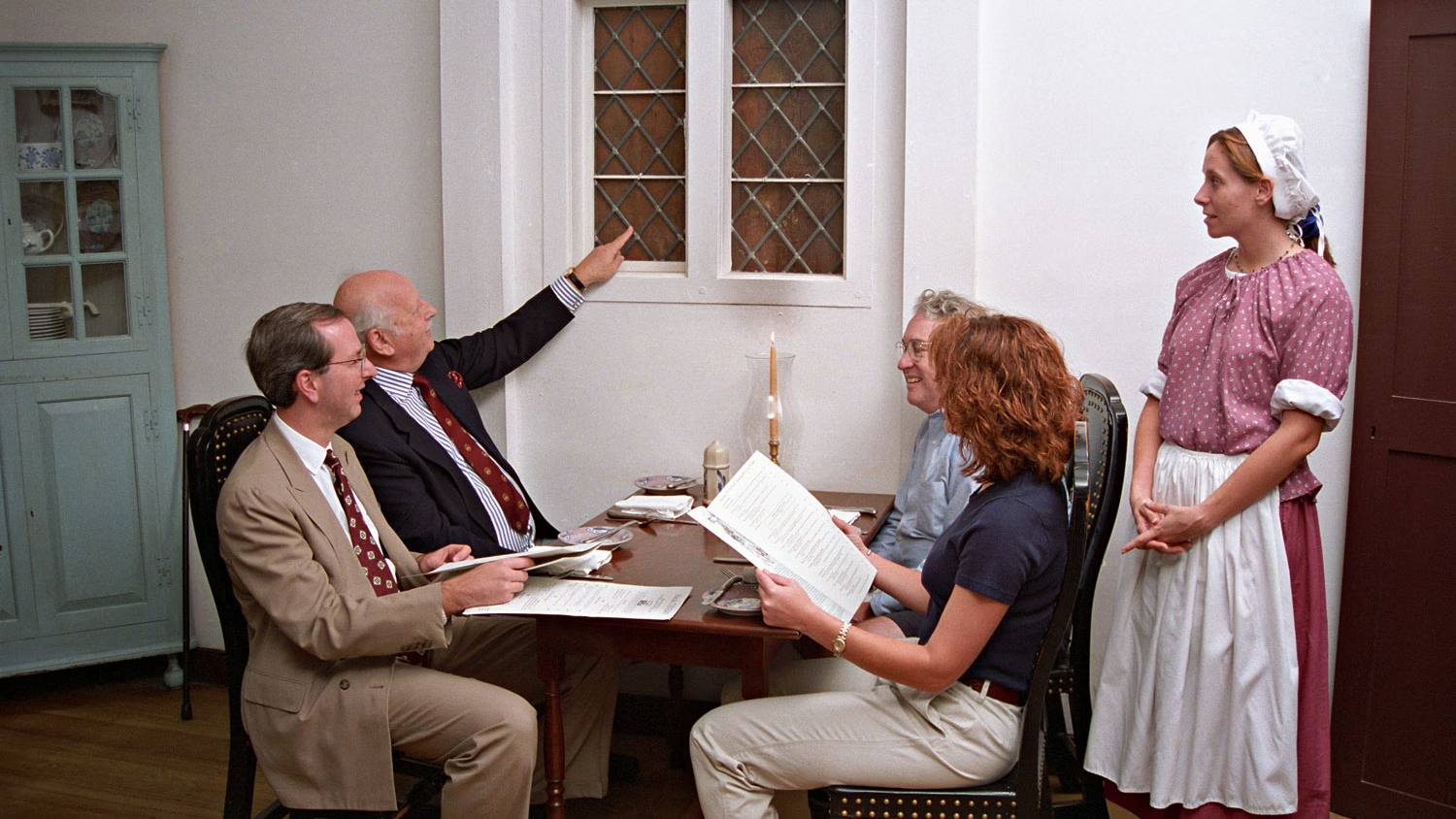
Ivor Noel Hume points at the casement window included at Audrey’s urging in the design of the reconstructed Shields Tavern.
Her work, though seldom recognized, left an indelible mark on Colonial Williamsburg’s Historic Area. Some of her contributions are still visible. In the 1980s, for example, even as the Noël Humes stepped away from leading Colonial Williamsburg’s archaeological program, she chaired a committee to lead the reconstruction of the historic Shields Tavern. She chose the design for the tavern’s distinctive sign, based on an English delftware tile depicting a Liverpool butcher. Moreover, at her urging, the tavern’s design included a casement window, reflecting archaeological findings in the city. It was known as “Audrey’s window.”6
Legacy
Audrey Noël Hume died in Williamsburg in 1993, shortly after her retirement. Her obituary in Colonial Williamsburg’s internal newsletter noted, “Few partnerships have been as consistently productive as that between Audrey Noël Hume and her better-known husband. Throughout their joint career, it was always Audrey who remembered the names he forgot or knew where an elusive reference was to be found.”7 In many ways, all their work was a partnership, a collaboration between two bright, curious minds. Colonial Williamsburg’s pathbreaking historical archaeology program owes much to Audrey Noël Hume.
The Restoration
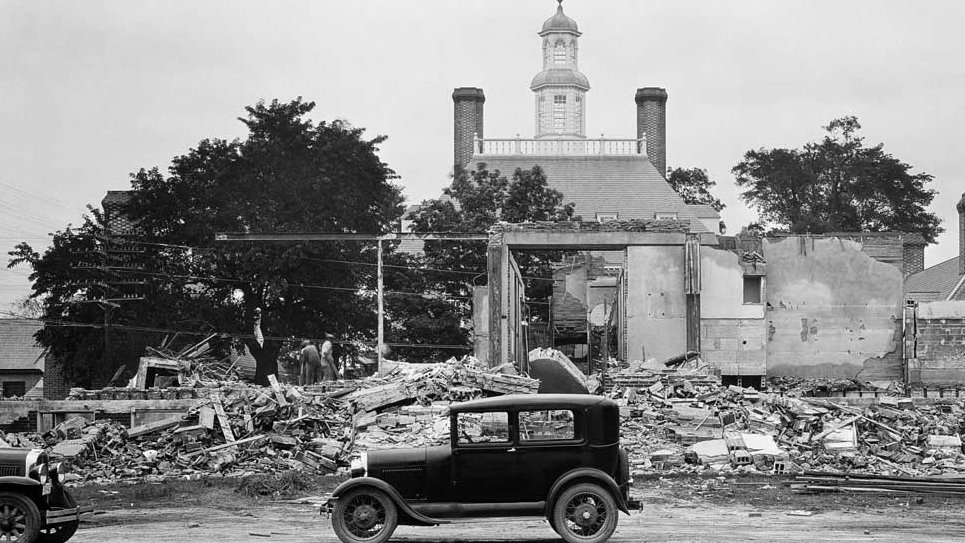
The audacious effort to restore Williamsburg, led by W. A. R. Goodwin and John D. Rockefeller Jr., began a century of research, discovery, and storytelling. Explore the stories of the men and women who have spent decades bringing eighteenth-century Williamsburg alive.
Sources
- Ivor Noël Hume, The Virginia Adventure: Roanoke to James Towne: An Archaeological and Historical Odyssey (Alfred A. Knopf, 1994), v.
- Ivor Noël Hume and Henry M. Miller, “Ivory Noël Hume: Historical Archaeologist,” The Public Historian 33 (no. 1, Winter 2011): 14.
- Audrey Noel Hume, My Family of Reptiles (Muller, 1955), 13, 50, 64–67, 94 (quote).
- Ivor Noël Hume, A Passion for the Past: The Odyssey of a Transatlantic Archaeologist (University of Virginia Press, 2010), 201, 219; “Tigellinus Travels First Class,” Colonial Williamsburg News 10 (Aug. 1957), p. 1, 4, link.
- Colonial Williamsburg News 46 (Aug. 27, 1993), p. 4, link. One example
- Noël Hume, Passion for the Past, 302; Ivor Noël Hume, “A Window on Williamsburg,” in Ivor Noël Hume, Something in the Cellar: More of This & That (Colonial Williamsburg Foundation, 2005), 107–14.
- Colonial Williamsburg News 46 (Aug. 27, 1993), p. 4, link.