George Wythe and Slavery
Wythe’s Williamsburg Household
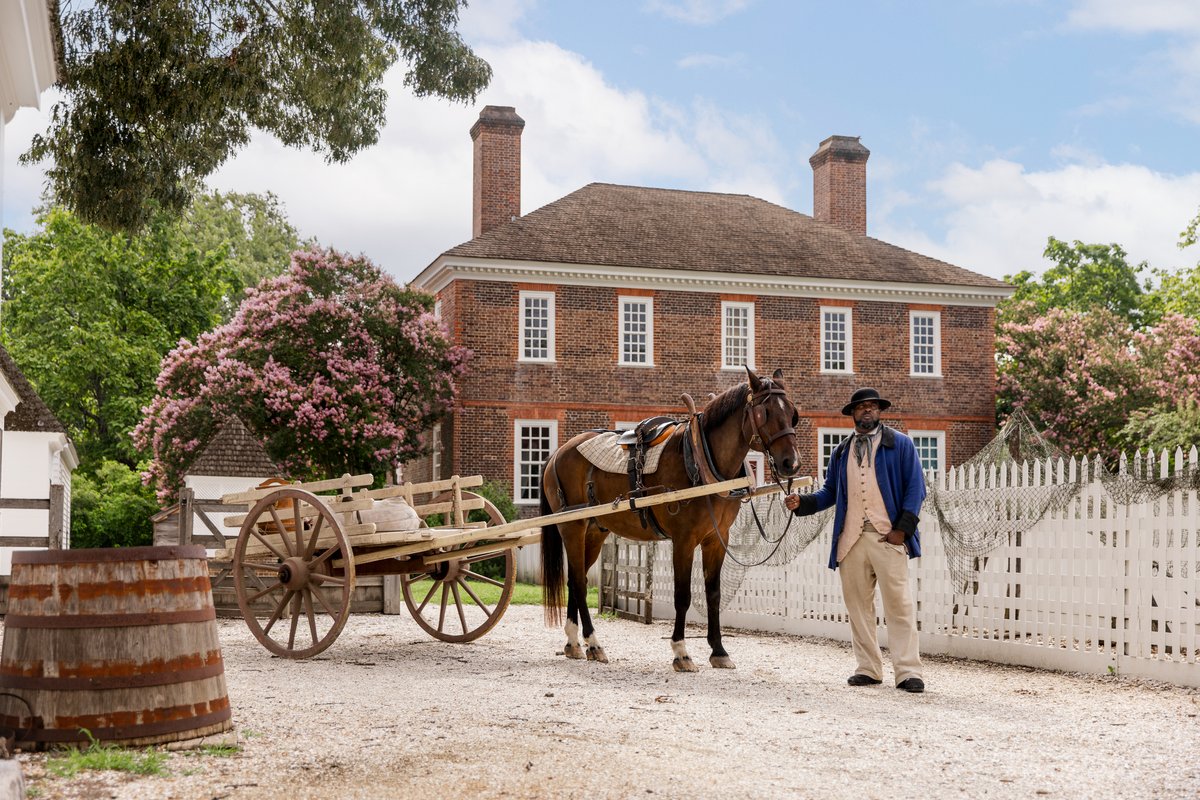
Day after day, enslaved labor kept the George Wythe house running. Lydia cooked. Ben drove a coach.1 Others maintained the home and gardens, served meals, did laundry, mended linens, cared for livestock, ran errands, and all other labor required to operate an eighteenth-century household.2
Only scraps of information reveal the lives of the individuals George Wythe enslaved. Thomas Jefferson’s meticulous account books note payments to individuals in the Wythe household in the 1770s. Personal propertytax lists provide names of people he enslaved in the 1780s. A doctor’s ledger records visits to the Wythe house to tend to sick members of the household, including enslaved people. Assembling these scraps forms a picture, albeit blurry, of the communities of people Wythe enslaved.
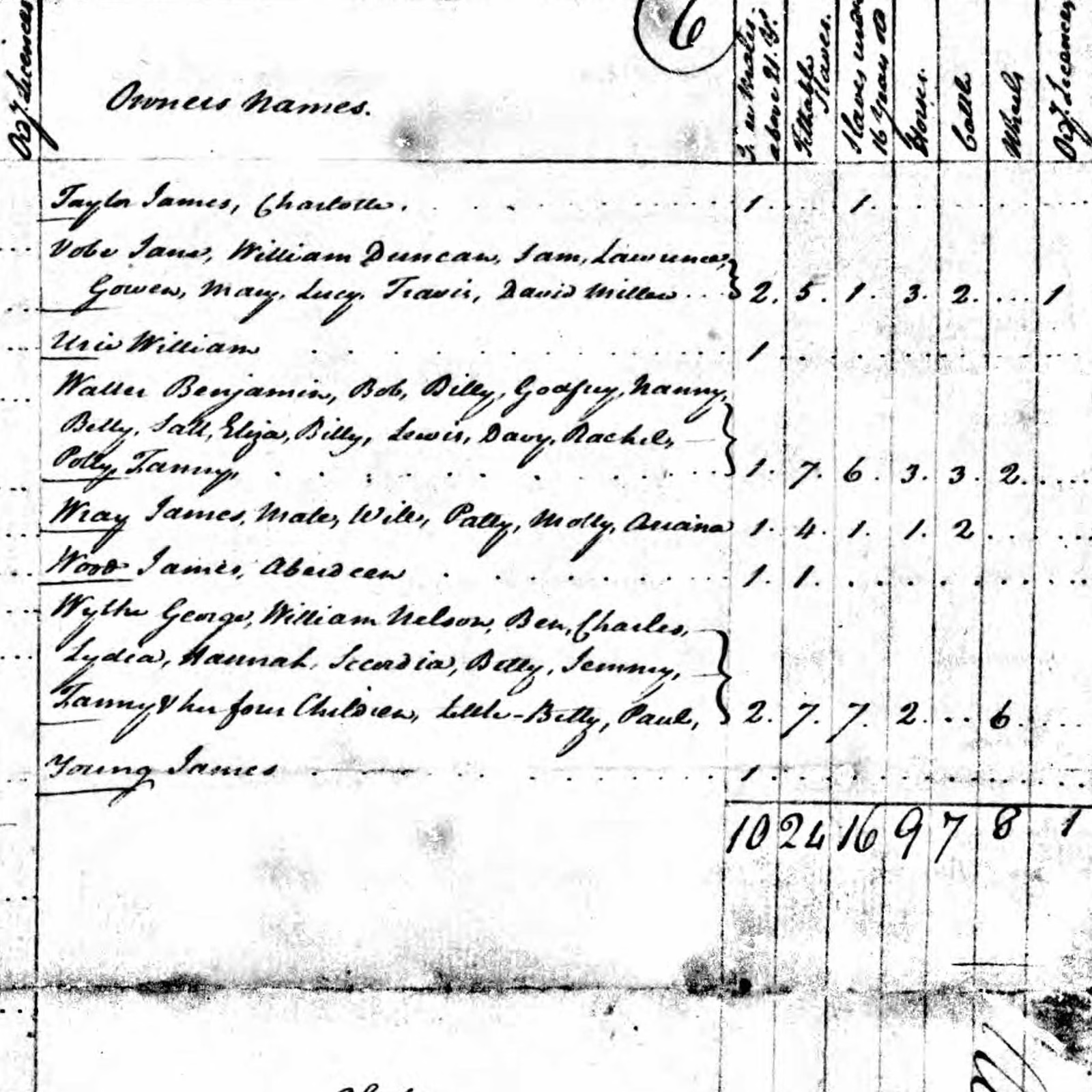
1783 Williamsburg Personal Property Taxes. 1783 was the first year each member of the household’s name was recorded.
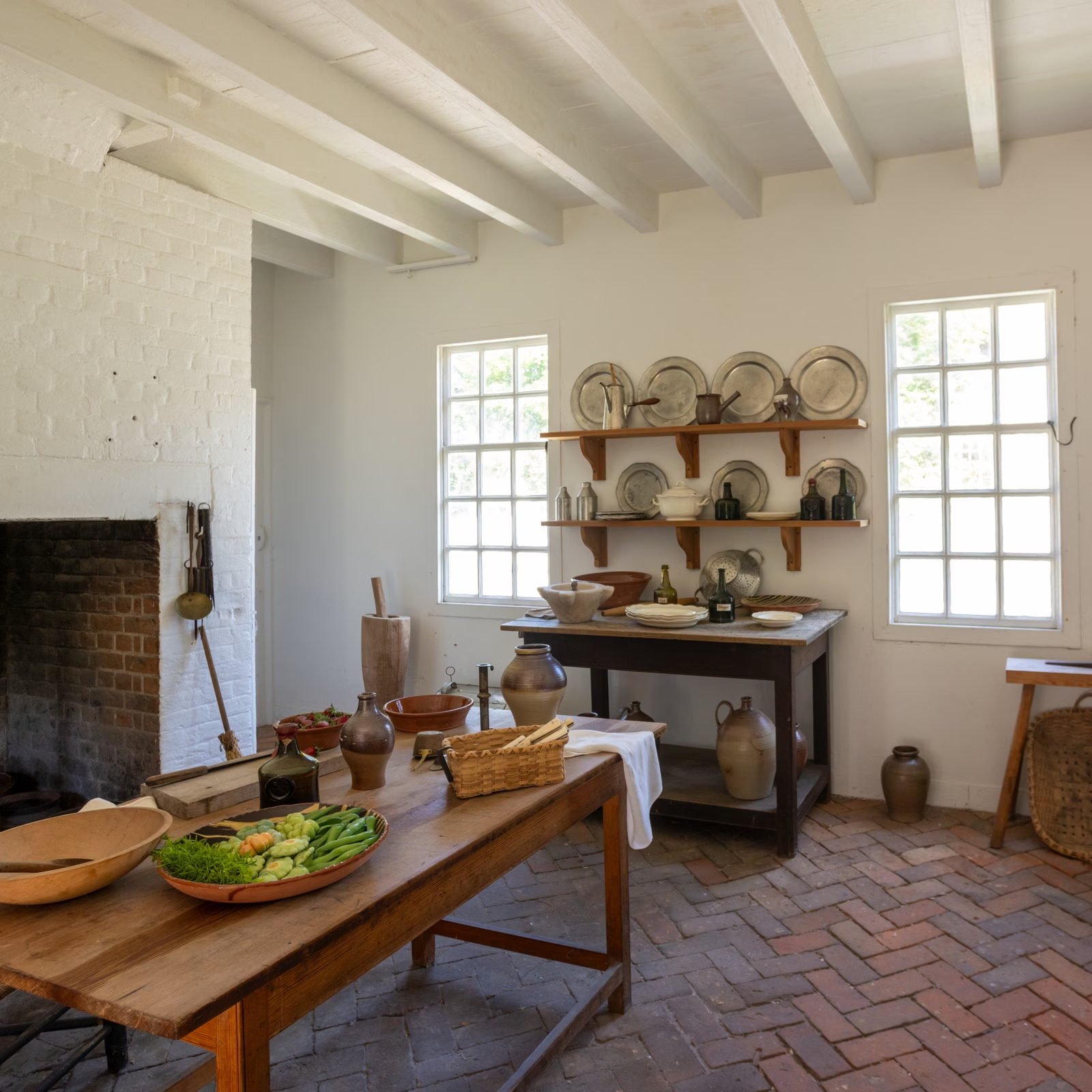
Wythe house kitchen, one of the reconstructed outbuildings on the property.
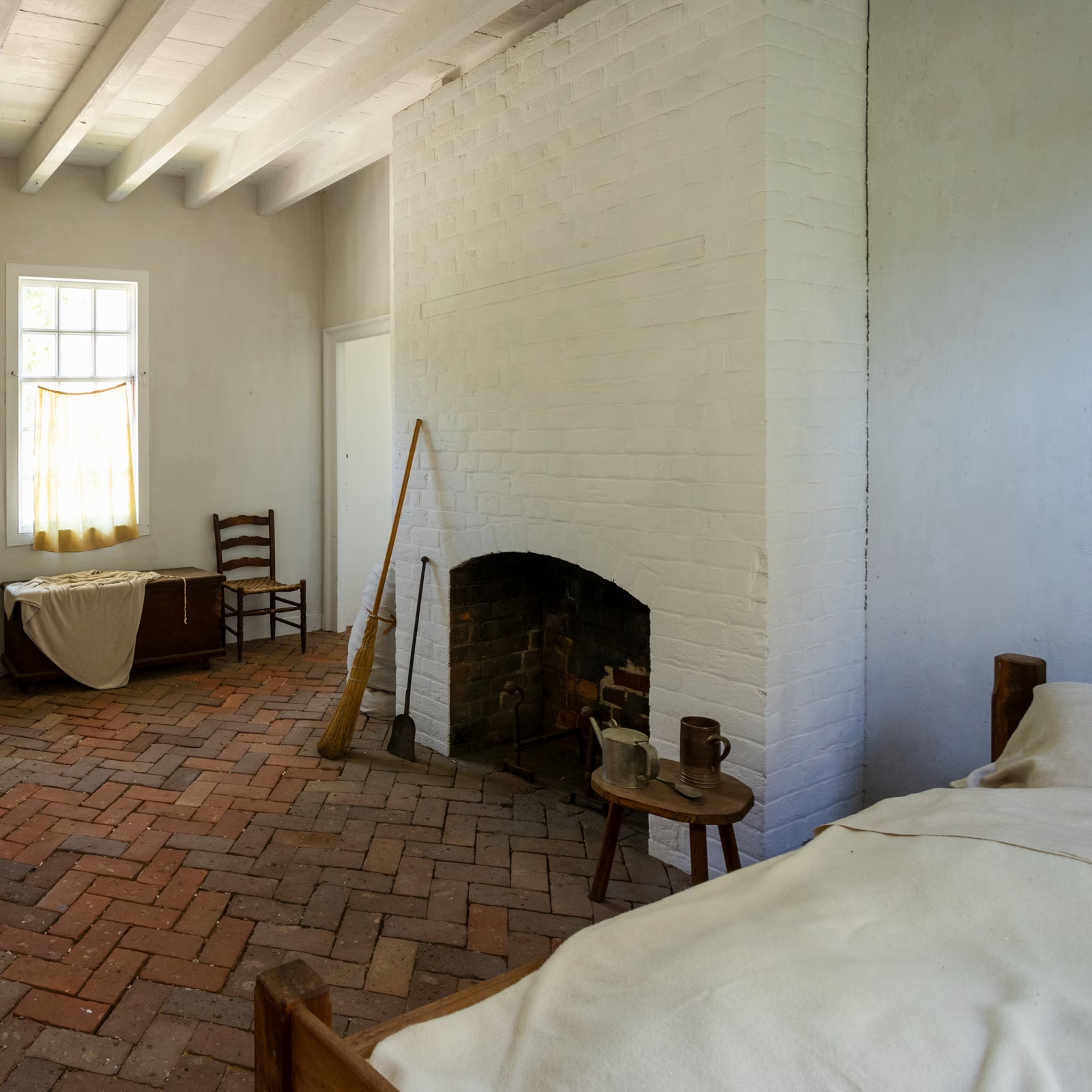
Enslaved quarters in a room behind the Wythe kitchen.
The Wythe Household in 1783
In 1783, the Wythe household included George Wythe, his wife Elizabeth, Elizabeth’s cousin Mary, her husband William Nelson, and fourteen enslaved people. Seven were over the age of 16 and seven were under 16.3 Examining other records reveals snapshots, however incomplete, of their lives.
Wythe’s Chesterville Plantation
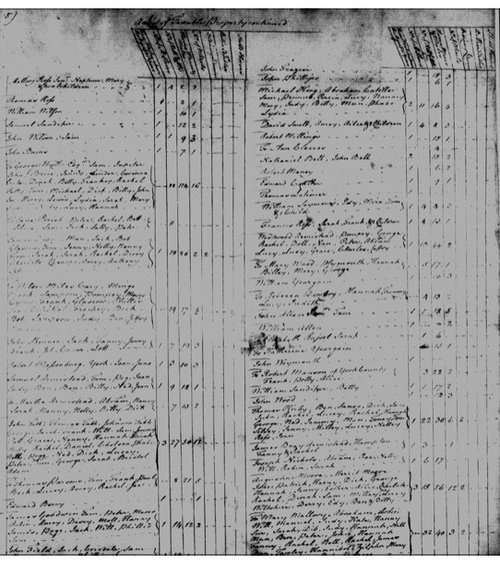
1783 Elizabeth City County Personal Property Taxes.
Wythe inherited a plantation called Chesterville, located in Elizabeth City County, when his brother died without an heir in the 1750s. Life at Chesterville would have differed drastically from life in the Wythe’s Williamsburg household. Wythe spent little time there. He hired an overseer by the early 1770s to manage the property on his behalf, including the approximately thirty enslaved people who labored there in bondage. Their labor included producing crops like potatoes, corn, and oats and raising livestock like cattle, sheep, and hogs.14
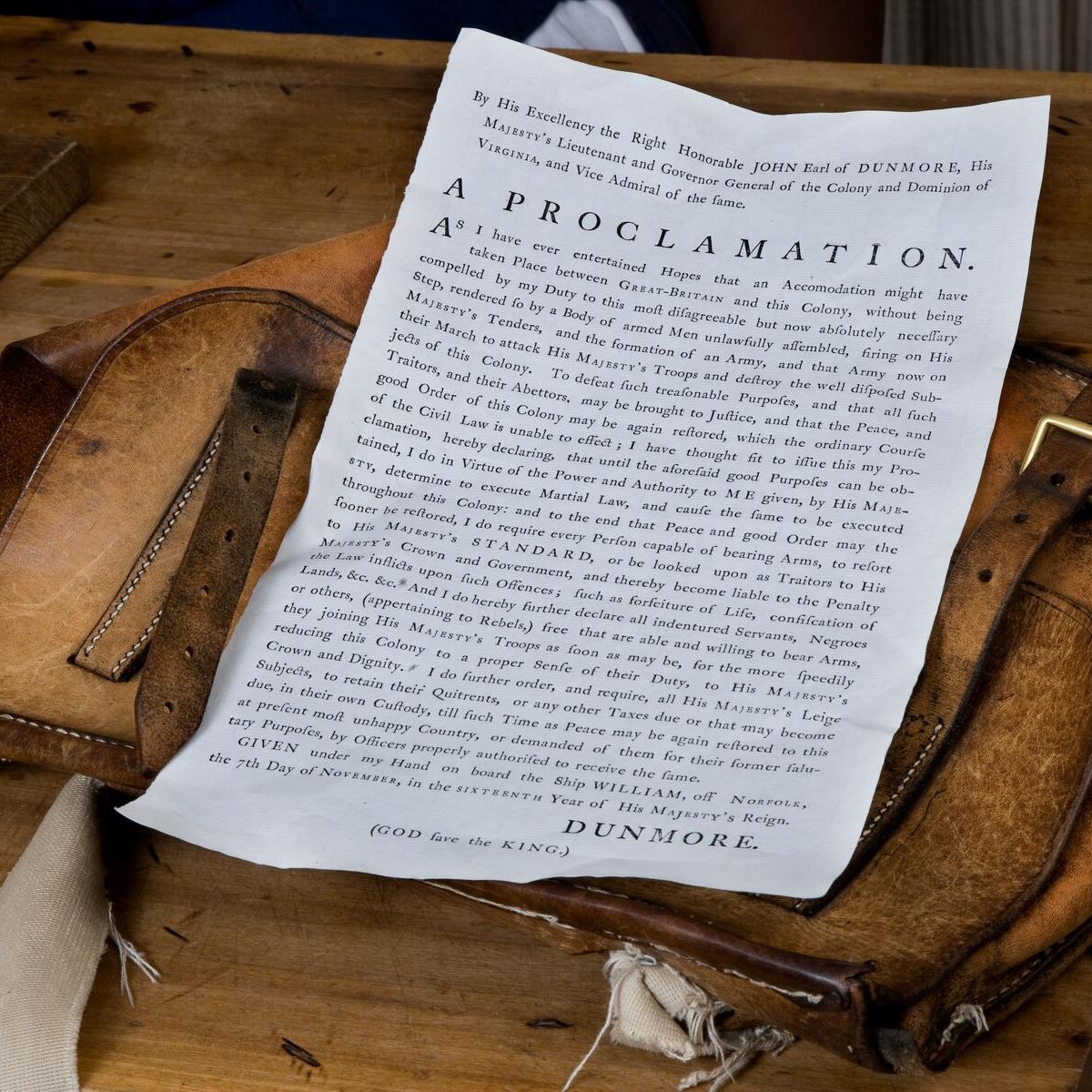
In 1775, royal governor Lord Dunmore offered freedom to people enslaved by Patriots who escaped their enslavers and joined him. At least four people from the Chesterville property fled. Neptune was “taken up as a runaway” in 1776 and “confined in the public jail,” but is not listed in any later records associated with Wythe.15 A man enslaved by Wythe named Charles was recorded in the public jail in 1776 and sentenced to be “carried to the Lead Mines” where he would be forced to labor.16 George Weeks and James With fled in 1779 at age 21 and 20, respectively, and evacuated to Canada with the British from New York four years later.17
At Chesterville, he enslaved twenty-eight people in 1783.18 By 1792, there were nine people enslaved on the property. When Wythe advertised Chesterville for sale in 1795, he listed ”some NEGROES” as part of the property. When he sold the property in 1801, it is unclear if enslaved people were part of the sale.19
Private Views, Public Actions
In 1785, Thomas Jefferson wrote that Wythe’s “sentiments on the subject of slavery are unequivocal.”20 While there is no single source that reveals his views on slavery in his own words, his public and private actions make his moral opposition to slavery clear, although not how and when he came to those views.
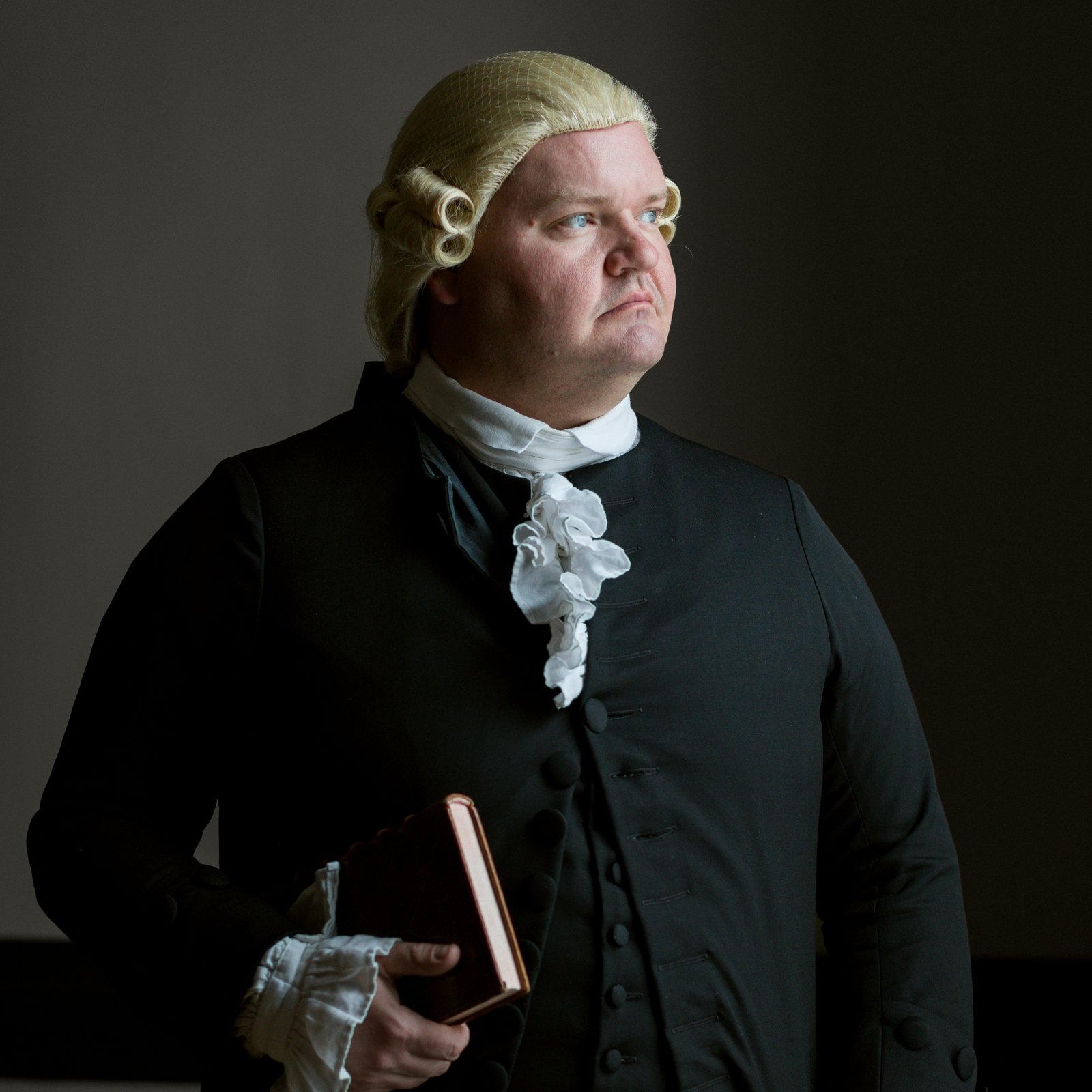
Public Actions
George Wythe’s views on slavery can be traced through his public and political actions. Beginning in the 1770s, he made political efforts to gradually abolish slavery. These efforts were never successful.

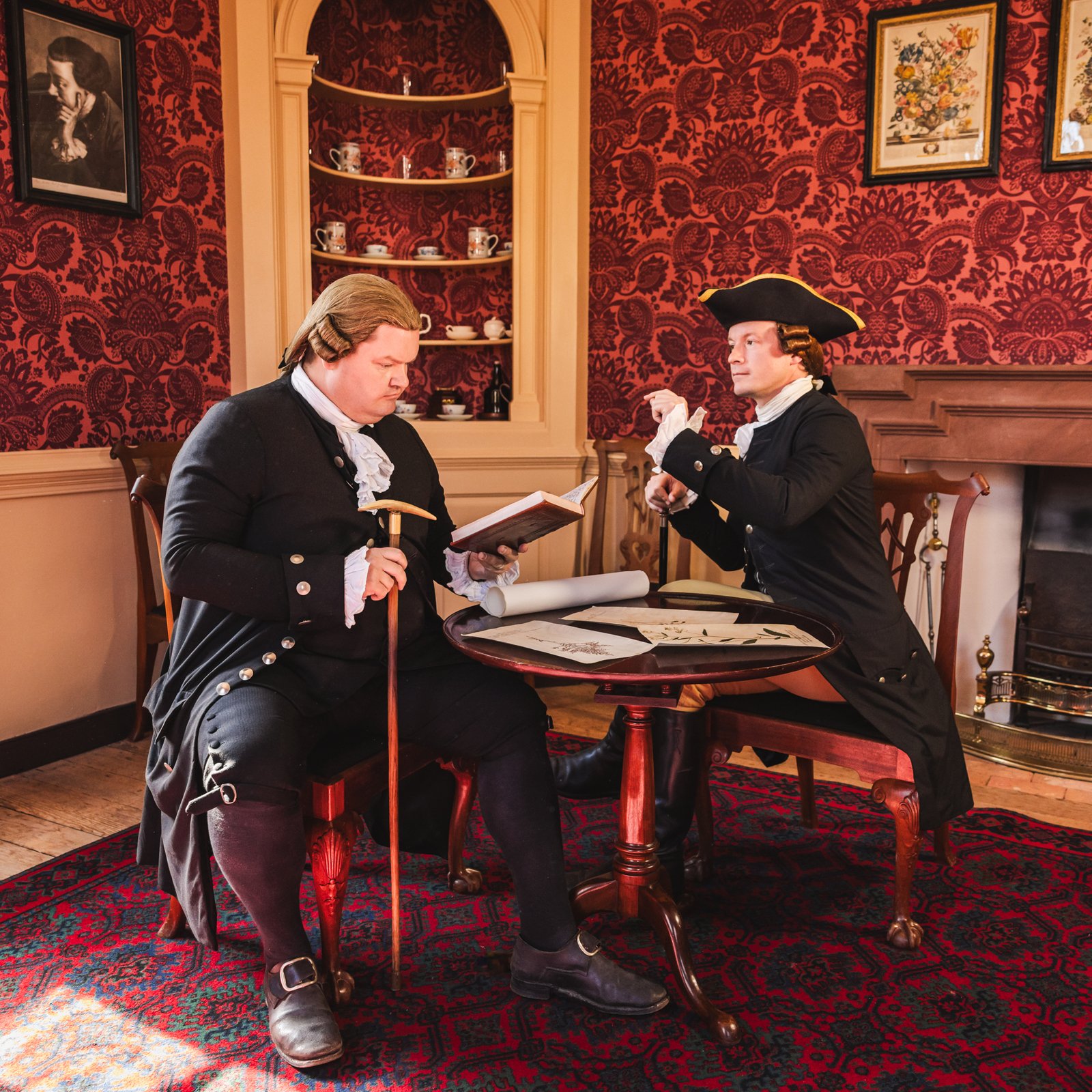
Bill for Gradual Emancipation
During the American Revolution, George Wythe and Thomas Jefferson worked to rewrite the laws of Virginia. One proposed law was for the gradual abolition of slavery. This law was never passed or even brought to the Virginia General Assembly floor.[21]
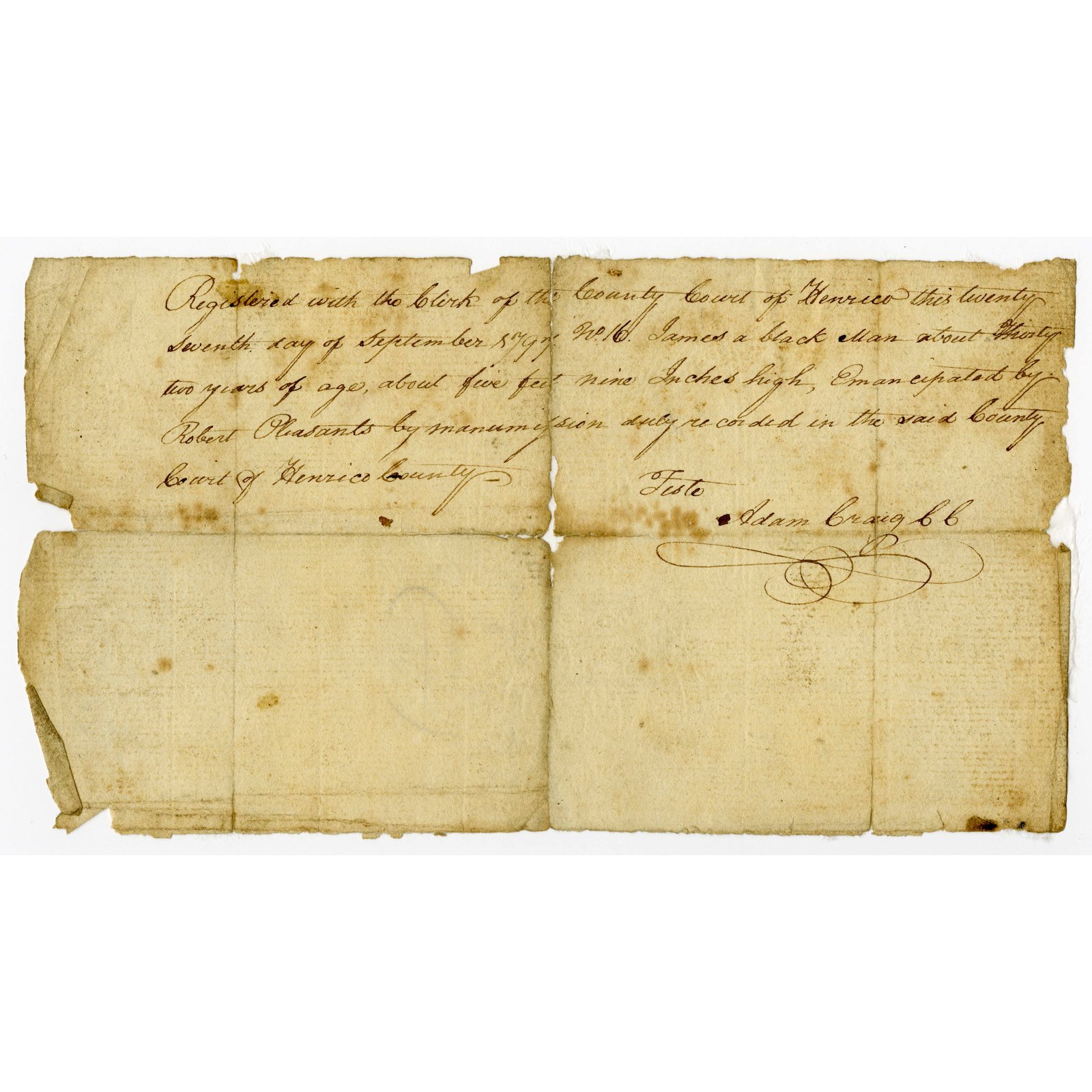
Pleasants v. Pleasants
In 1782, a new Virginia law allowed enslavers to free enslaved people without needing the Council’s permission. As a judge, Wythe upheld this law in Pleasants v. Pleasants, ruling in favor of the manumission of over 400 individuals.[22] Image courtesy of Library of Virginia.
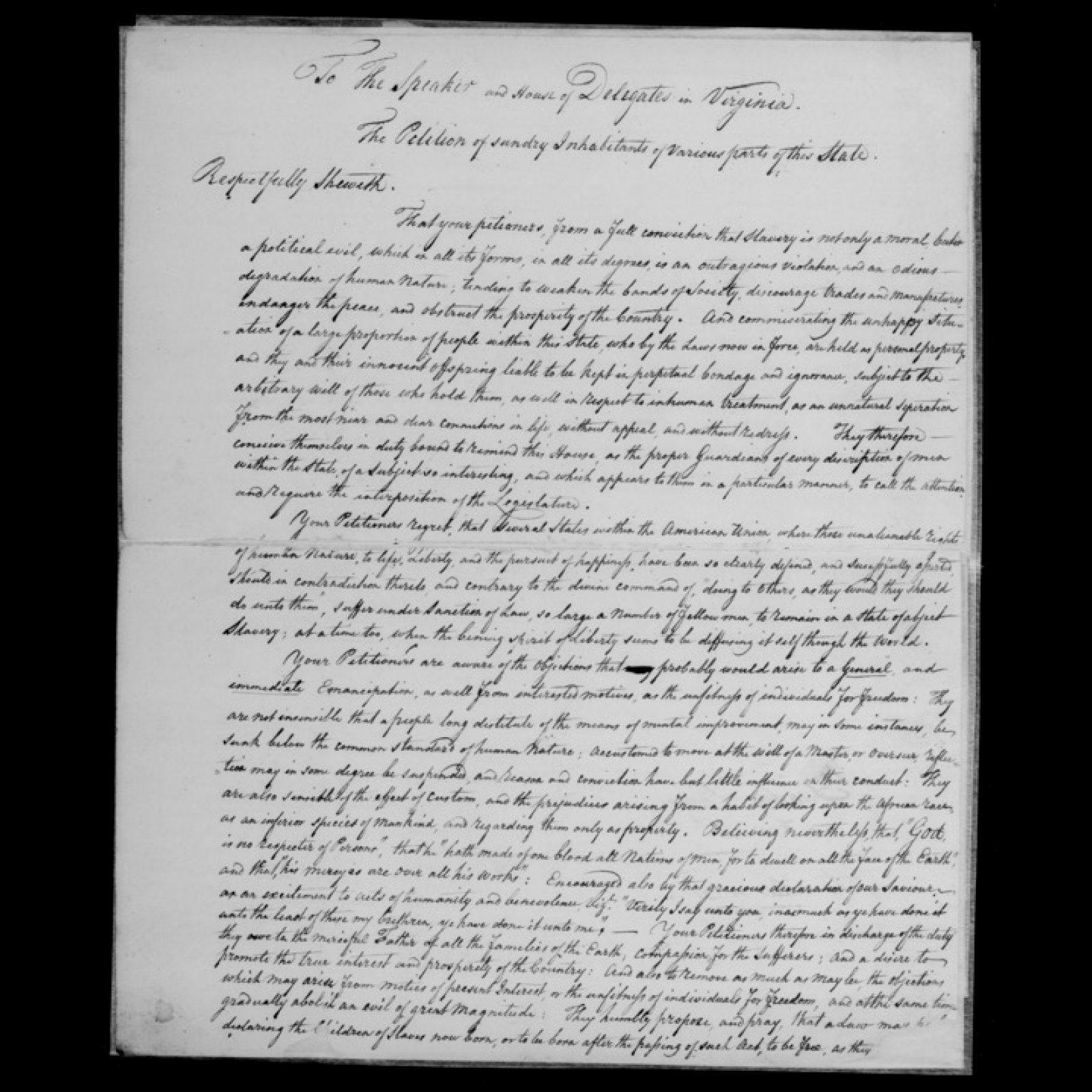
Gradual Emancipation Petition
In 1795, Wythe was one of around 400 Virginians to sign a petition requesting the gradual emancipation of slavery in the state.[23]
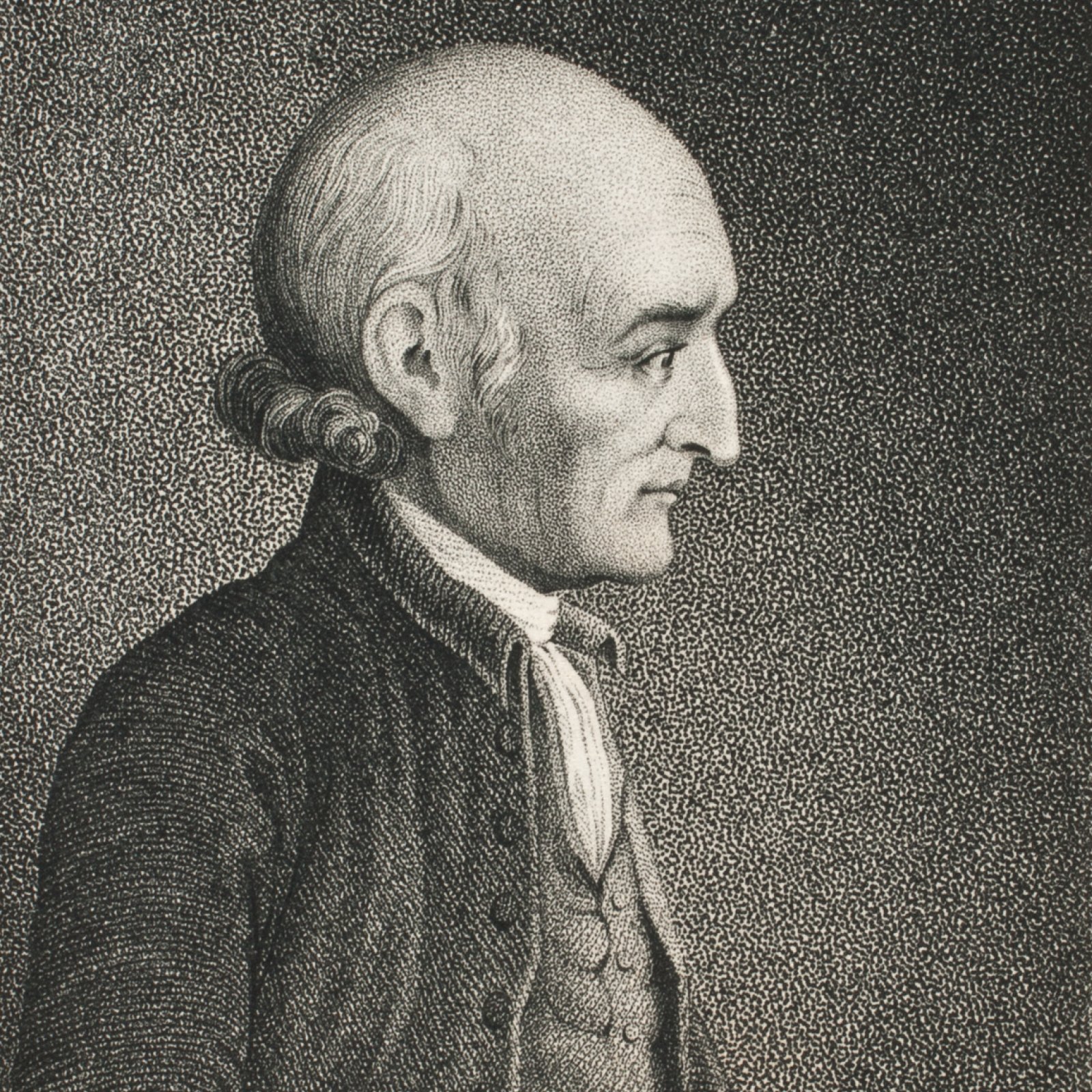
Hudgins v. Wright
In Hudgins v. Wright in 1806, Wythe’s last case, he ruled that slavery was incompatible with the Virginia Declaration of Rights, which states “all men are by nature equally free and independent.” The ruling was overturned by a higher court.[24]
When Elizabeth passed away in 1787, Wythe immediately gifted several slaves to her family.25 He also emancipated at least four people.26
By 1791, Wythe’s Williamsburg household included three Black residents: Lydia and Ben, who had been freed, and Jimmy, who Wythe had gifted to Elizabeth’s family but was still residing in Wythe’s home.27 That year, Wythe’s student William Munford wrote to a friend “Would you believe it, that he has begun to teach Jammy, his [Black] servant to write?”28
By the end of his life, Wythe did not own any slaves.
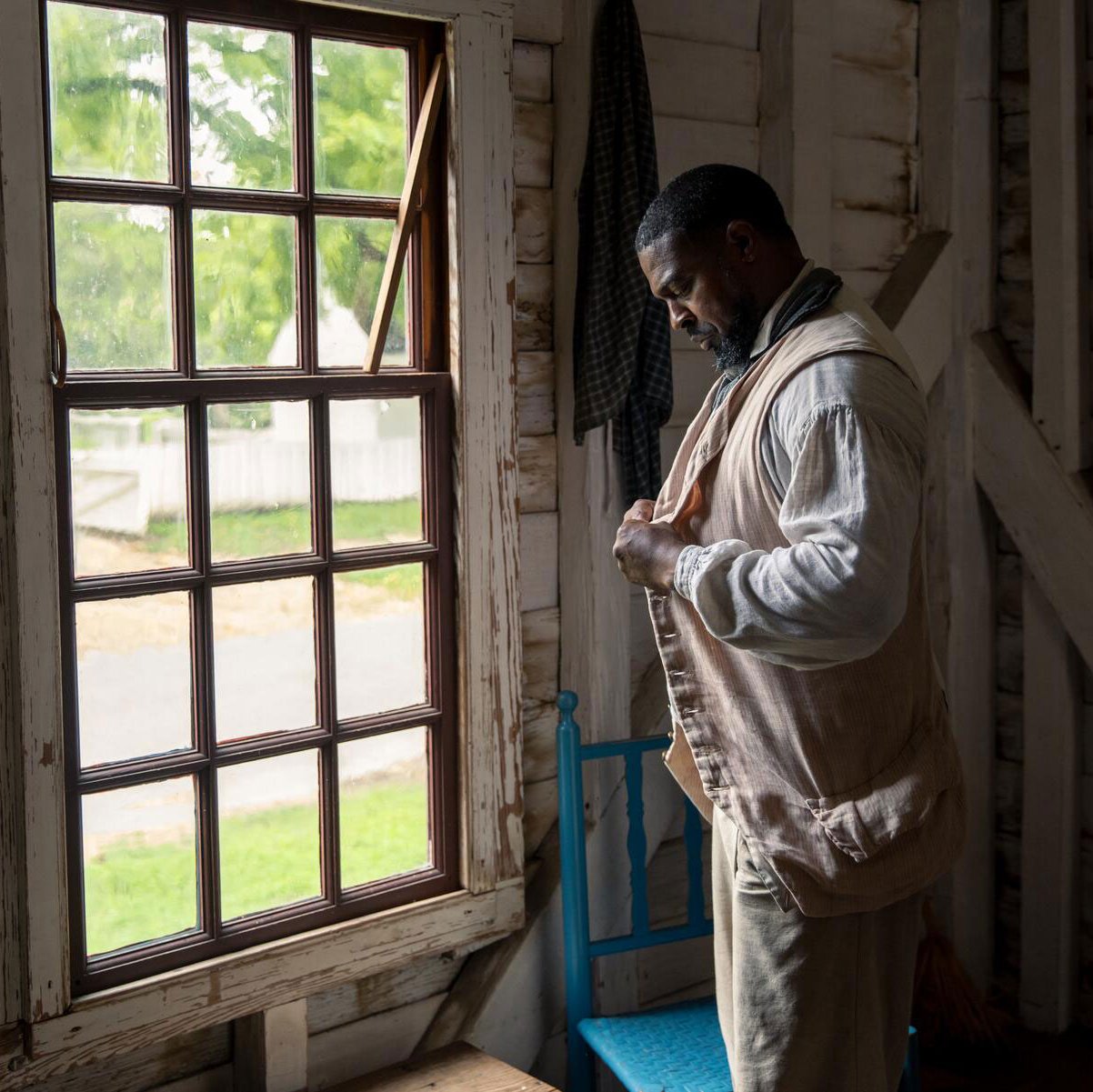
Enslavement in Williamsburg: Stories of Black Life
Explore more about Williamsburg’s Black community in the revolutionary period. Discover these American stories of resilience and explore those who lived, loved, and strove to create a better future.

Enslaved Places
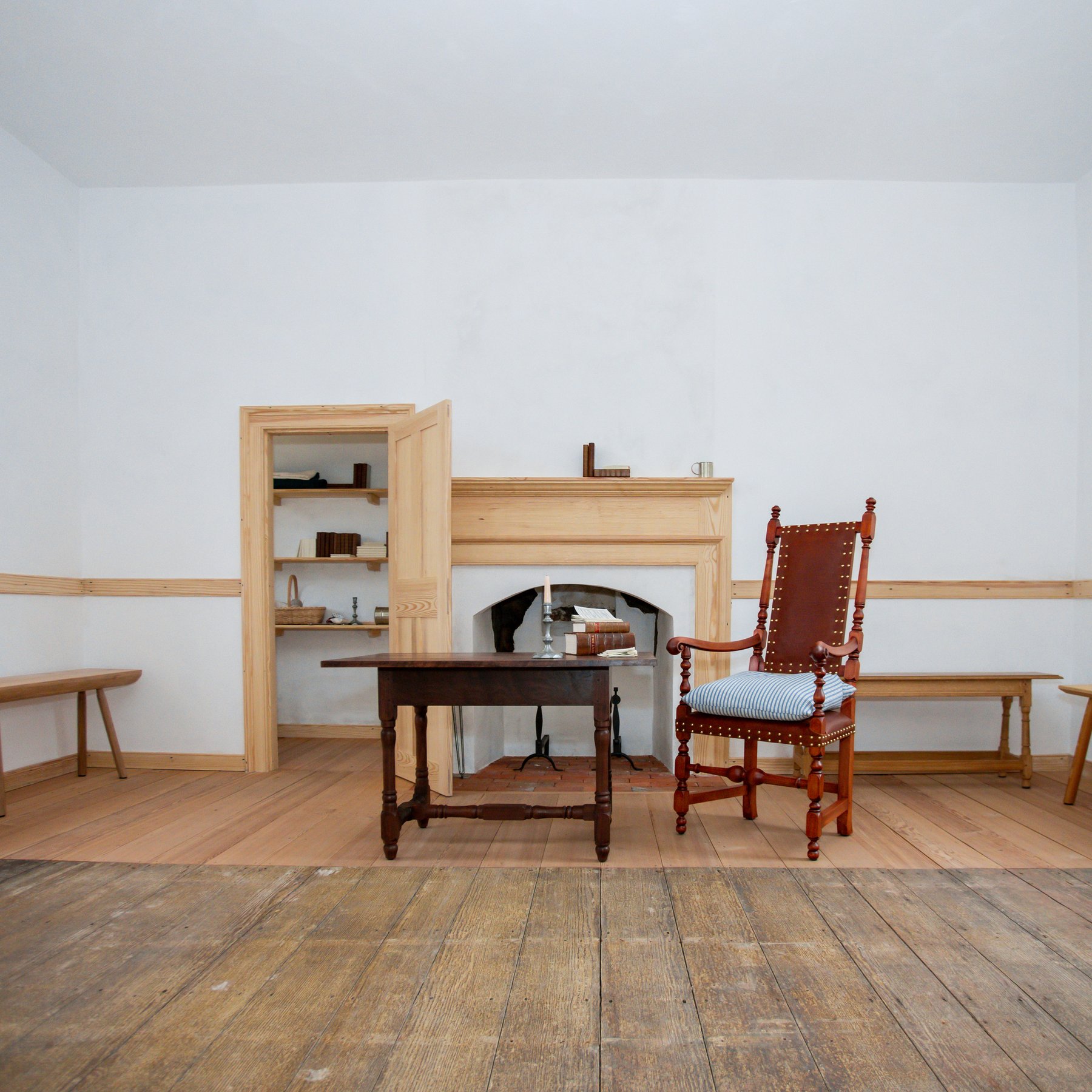
Explore how enslaved people lived, worked, and made the spaces of Virginia’s colonial capital their own.
Governor’s Palace: The story of the Governor’s Palace in Williamsburg is the story of the enslaved people and white servants who lived and worked there.
Plantation Gardens: Enslaved people on eighteenth-century Virginia plantations grew much of their food in garden plots.
Williamsburg Bray School: The Williamsburg Bray School was one of the earliest institutions dedicated to Black education in North America.
People
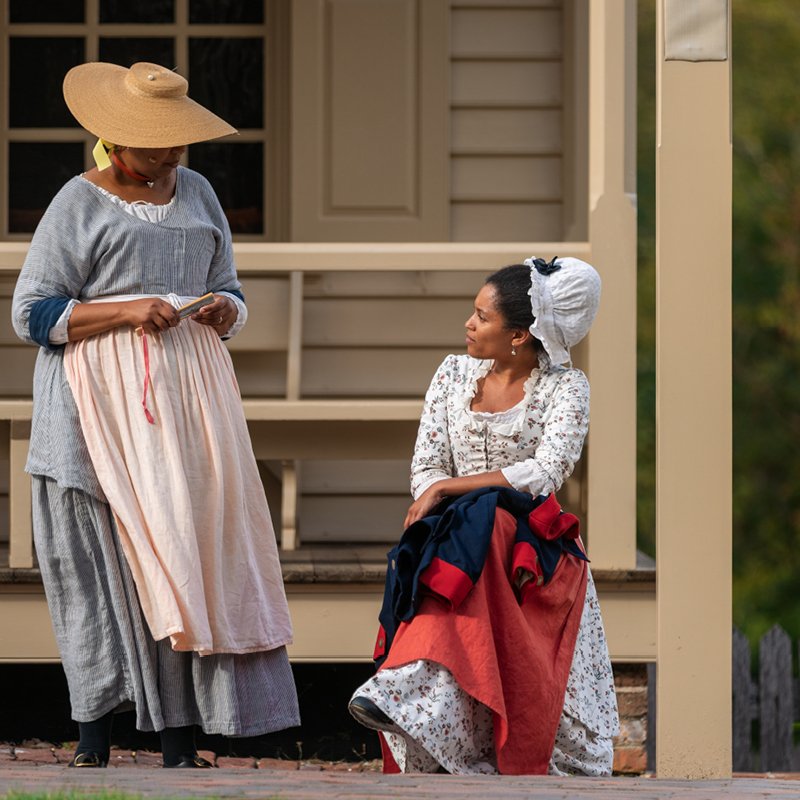
In the 1770s, over half of Williamsburg’s population was enslaved and free Black residents.
Gowan Pamphlet: An enslaved tavern worker, Gowan Pamphlet risked his well-being to secretly preach to fellow African American believers.
Lydia Broadnax: Lydia was enslaved in George Wythe’s household as early as 1783 and emancipated in 1787.
Fanny and Moses: Fanny and Moses’ story offers a rare window onto a largely unknown world of cooperation and liberation.
Emancipation
Dunmore's Proclamation shifted the American Revolution for many from a war for independence to a war for emancipation.
Escaping to Freedom: Explore stories of women who sought freedom after Dunmore’s Proclamation.
Robert Carter III: Carter granted freedom to most of his enslaved workforce, over 500 people in all, a remarkable action for his time.
The Virginia Gazette: Enslavers often revealed the personal histories of self-emancipated people in advertisements seeking them in the Virginia Gazette.