Fiber, Fabric, and Fortune: The Global Textile Trade 1740-1840
Now Open
On view in the Len and Cyndy Alaimo Gallery
This exhibition was made possible through the generosity of the Leonard J. and Cynthia L. Alaimo Endowment for Colonial Williamsburg’s Art Museums.
In the 18th century, textiles were the single largest import to the American colonies. Prior to the American Revolution, colonists received these goods funneled through England, but names such as calico, holland, and osnaburg reminded purchasers that their fabric came from diverse locations. This exhibition explores the variety of raw materials processed into clothing and textiles in the 18th and early 19th centuries and the global network that supplied them. A closer look at a single gown, needlework picture, or pocketbook reveals a story beyond who wore, made, or carried the items. The cotton, silk, wool, and linen that make up these pieces came from around the world. Fluffy bolls of cotton grew in India and China. Silkworms were raised across Europe, the Middle East, and Asia. Sheep grazed on nearly every continent, and fields of flax grew in abundance throughout Northern Europe, Russia, and Ireland.
Explore Pieces from the Exhibition
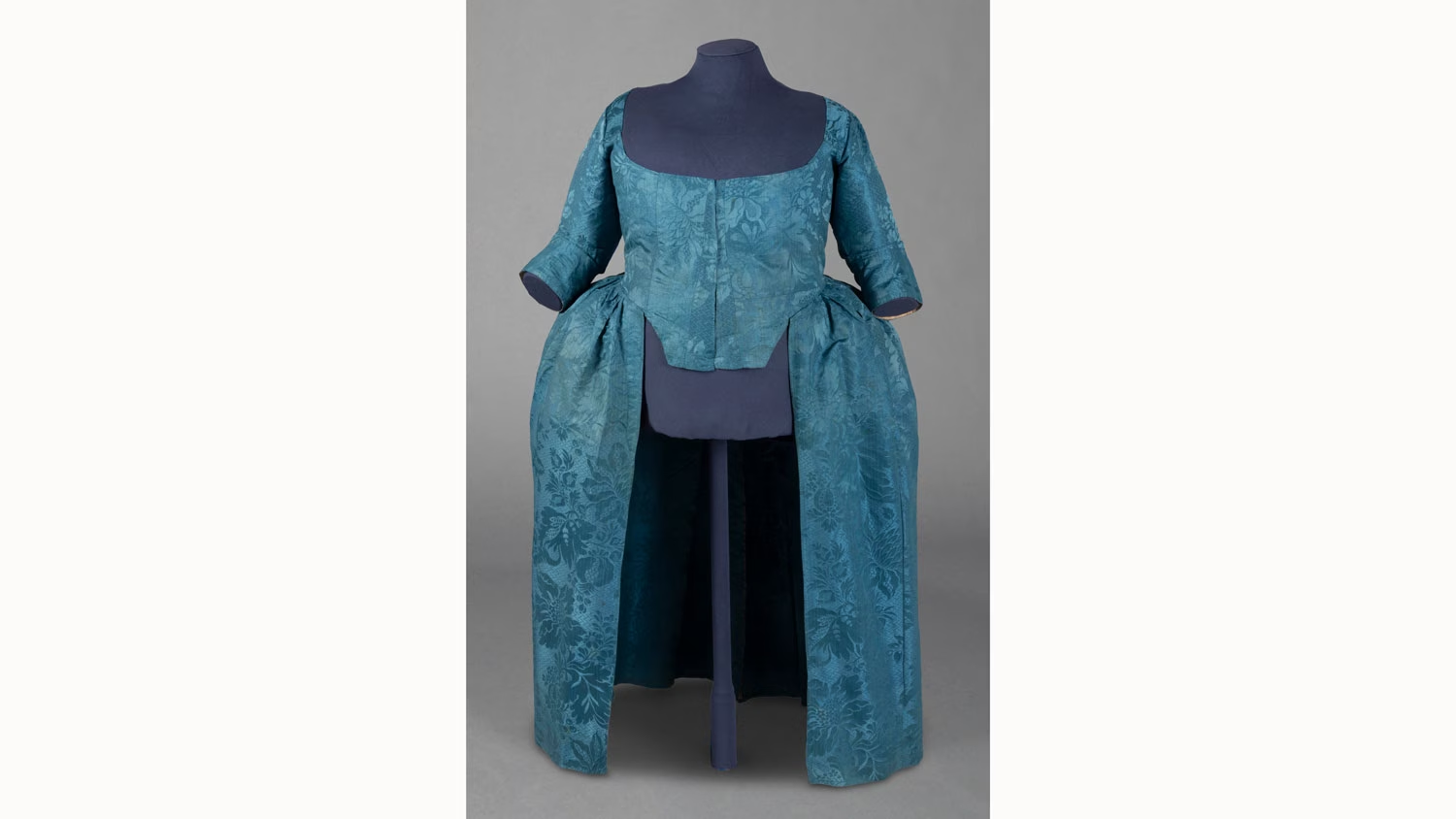
Gown, America, 1750-1789, silk and linen. Gift of the Valentine Museum, Richmond, VA, 2022-147
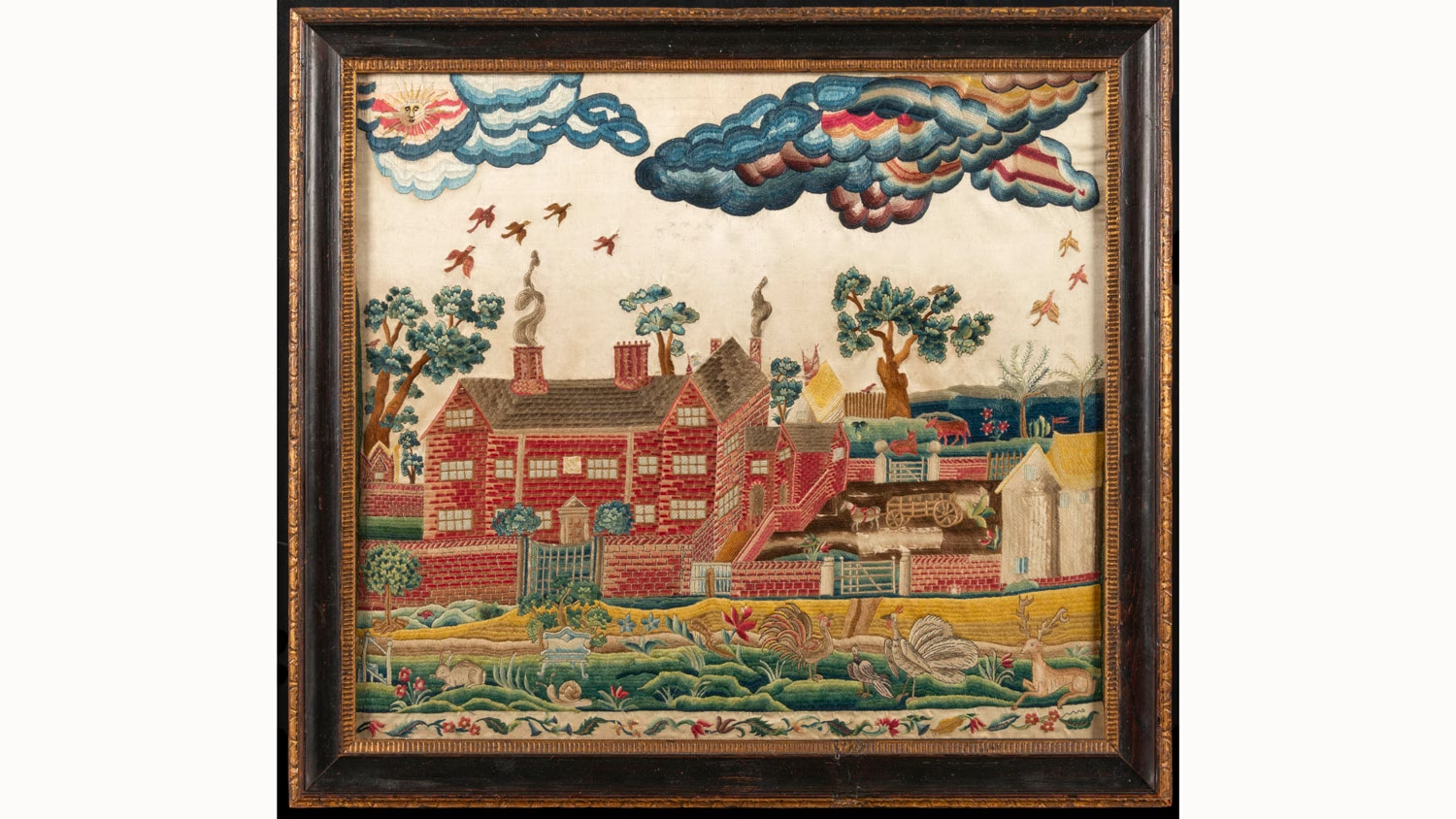
Needlework Picture, England, probably, ca. 1750, silk. Museum Purchase, 1955-86
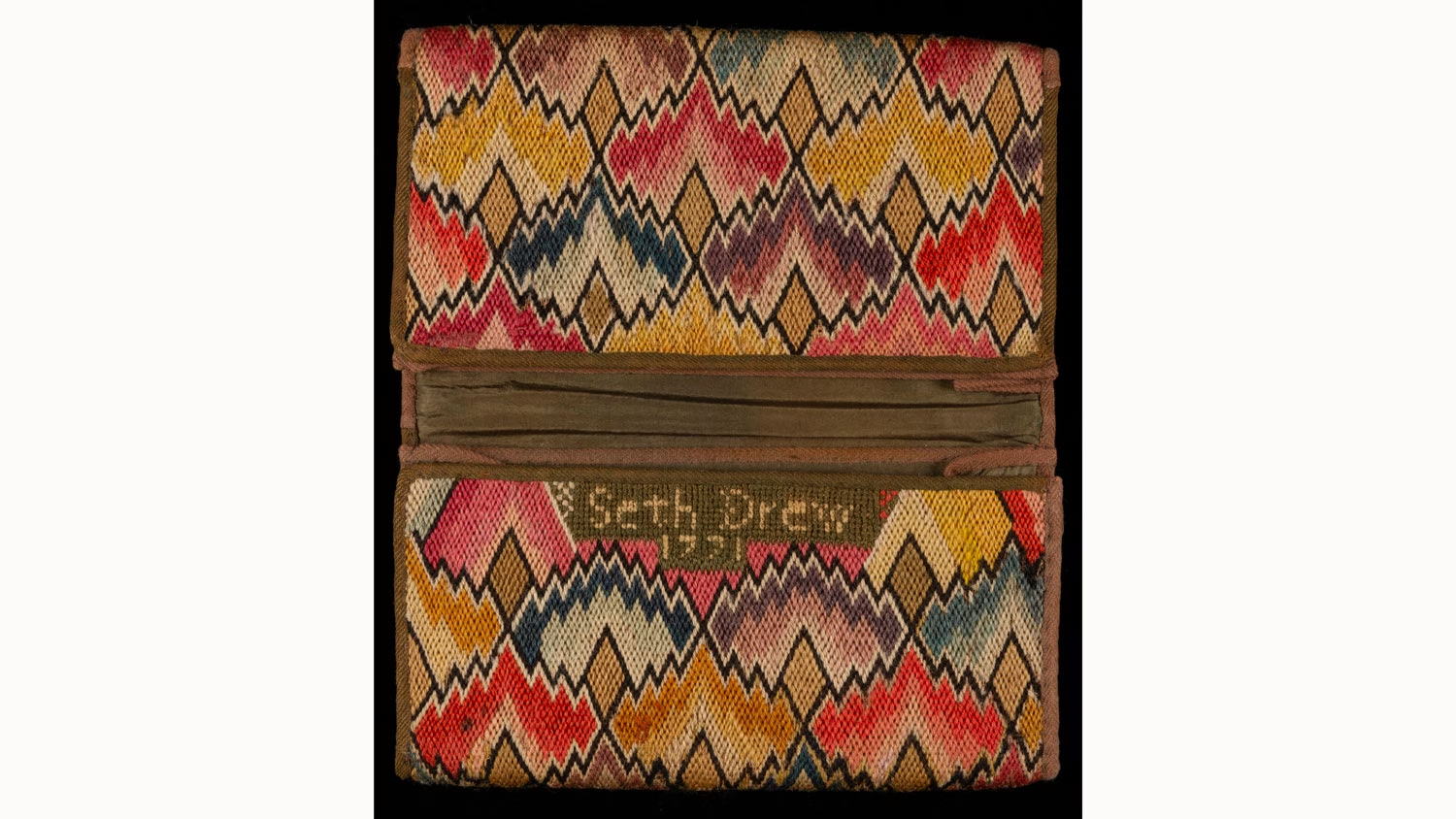
Pocketbook, America, 1771, wool and linen. Museum Purchase, 1950-268
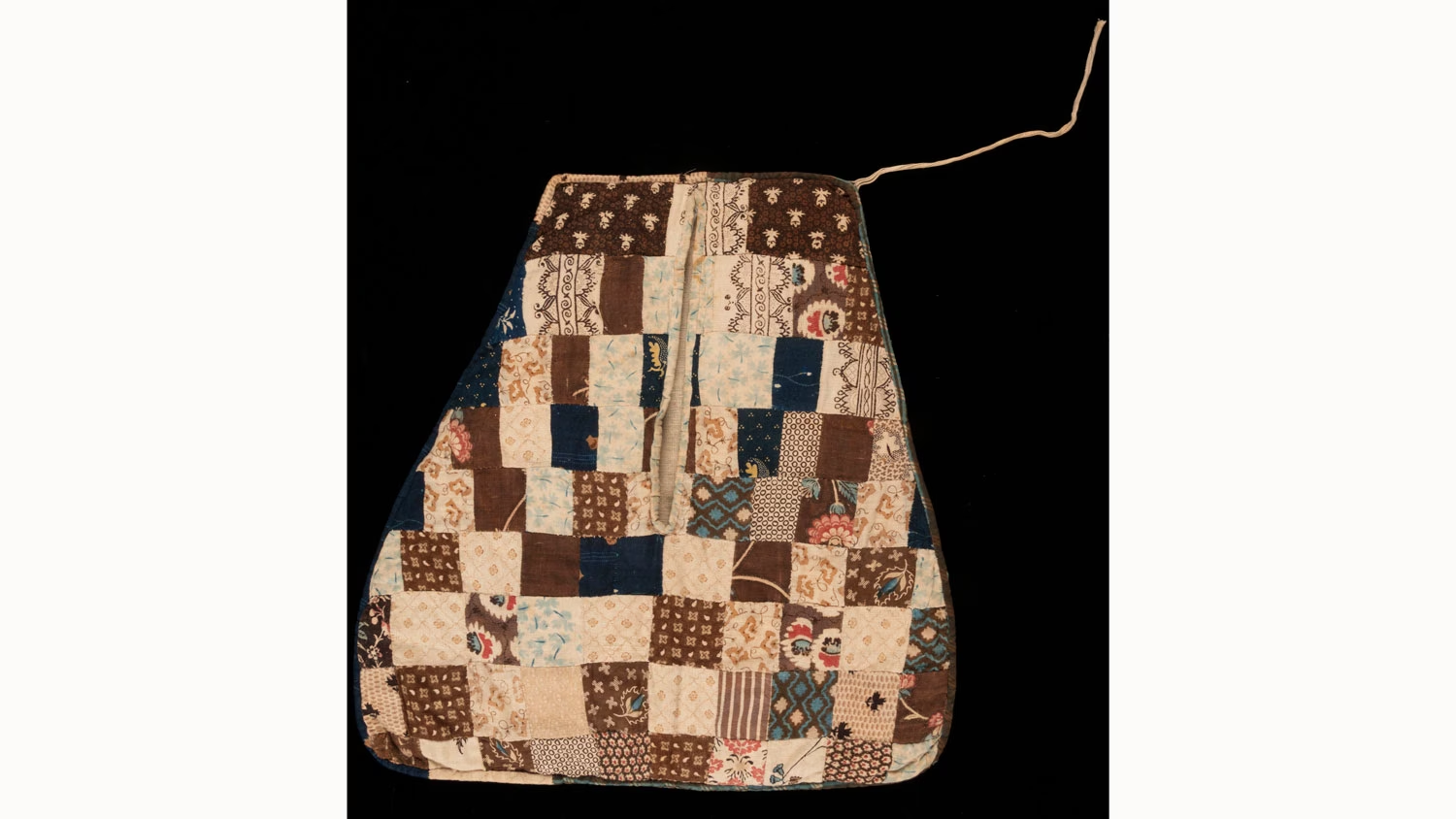
Pocket, Albany, New York, ca. 1810, cottons, block printed, pieced and backed with cotton. Gift of Mrs. Cora Ginsburg, 1991-465
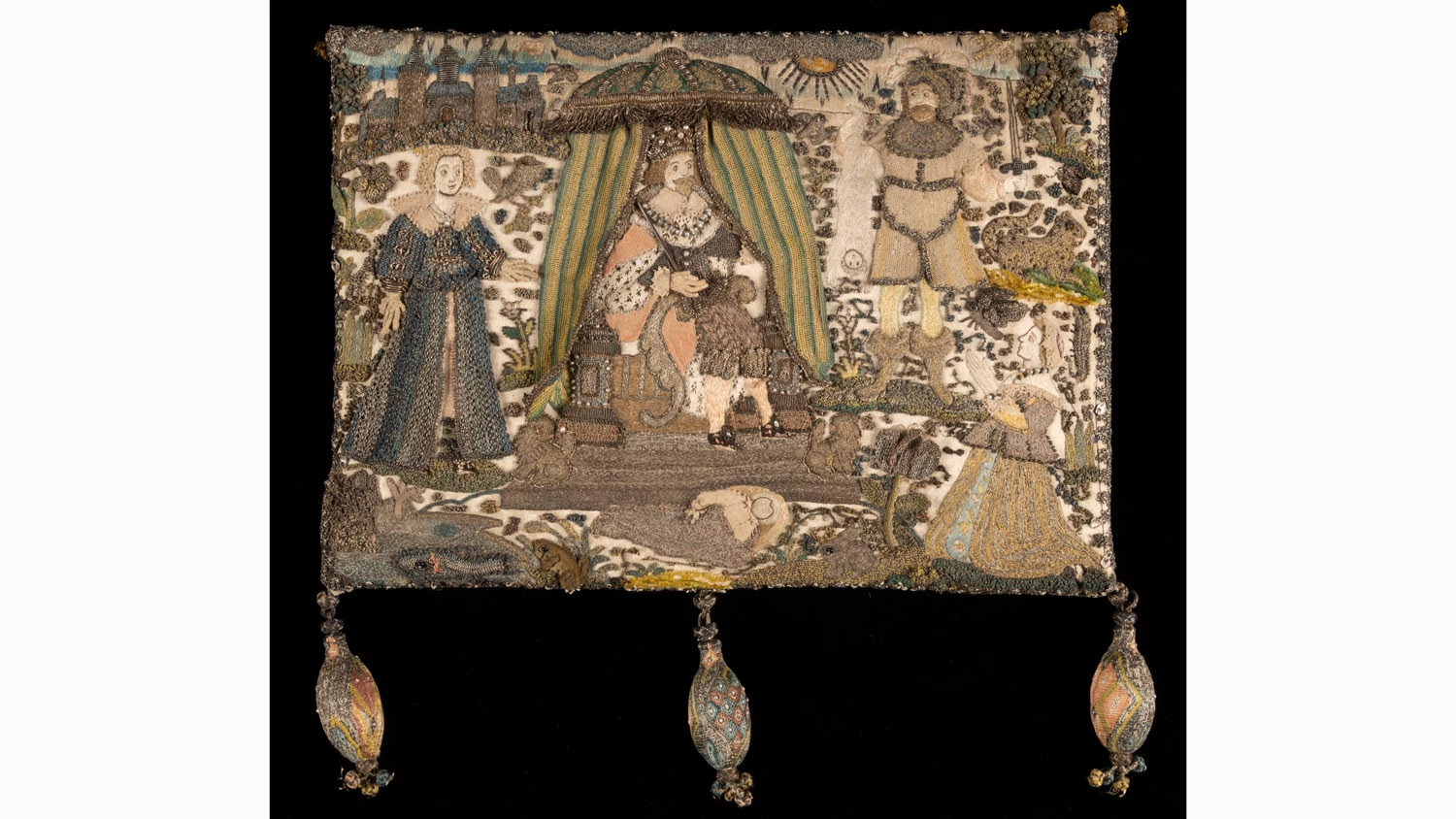
Needlework Cushion, England, 1660-1680, silk, linen, pearls, and cotton. Museum Purchase, 1960-369
Delve into our Exhibitions Online
Explore our Online Collections to learn more about The Colonial Williamsburg Foundation's vast collections of fine, decorative, mechanical, and folk art.