Cookbooks
When you think of a cookbook, what comes to mind? Perhaps a title bought at a local bookstore, published by one of your favorite chefs. Or maybe a small bound volume, handed down by another family member, with personal recipes. Perhaps it’s just a spiral-bound notebook of recipes you’ve written down over time. Or it could be an app you keep on your phone or tablet, copying and pasting recipes you find online.
When you think about a cookbook, what comes to mind is likely a far cry from cookbooks in eighteenth-century America. While a core aspect of cookbooks has always been the collection of meal recipes they hold, cookbooks in early America were much more than that. These books were meant to help women become better housewives (they often had the word “housewife” in the title), and covered a wide array of topics. While cookbooks were a valuable source for meal preparation, they were more akin to primers for family and household management.
Old Classics Done in Modern Ways
Learn how colonial era recipes were made and how you can make them in your own kitchen.
What's Inside
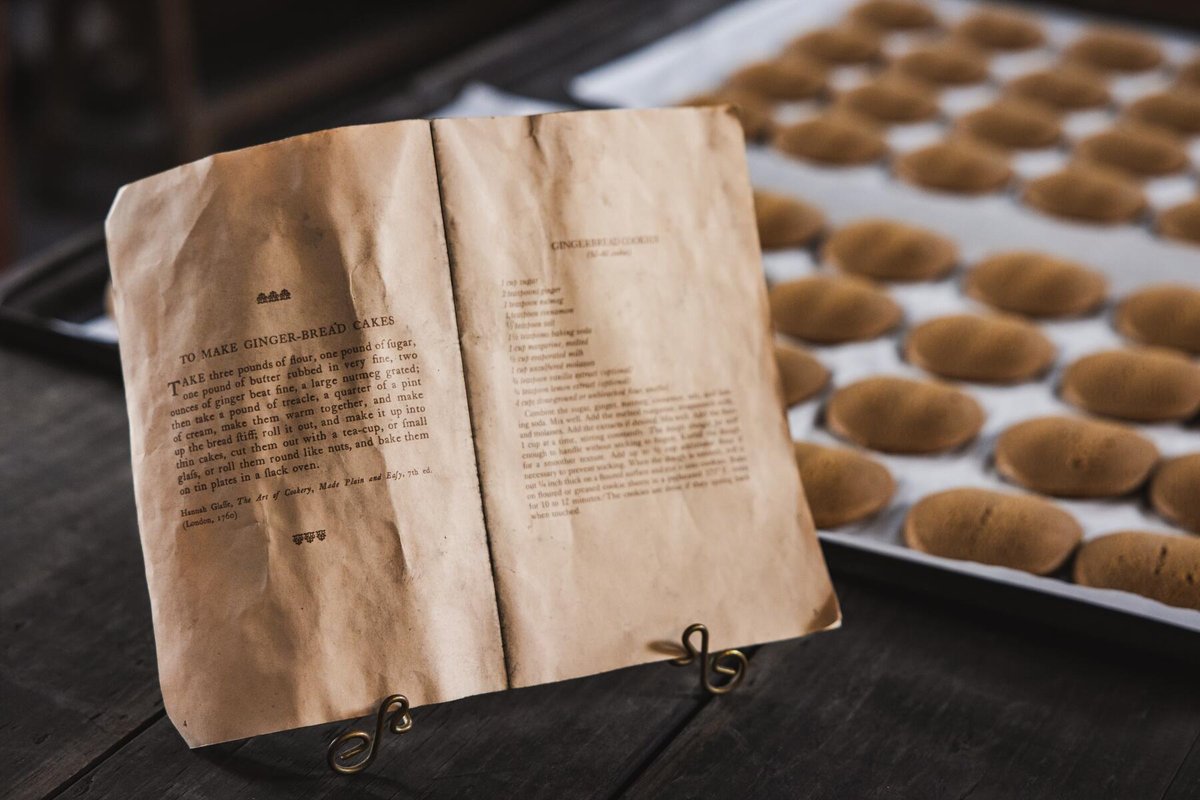
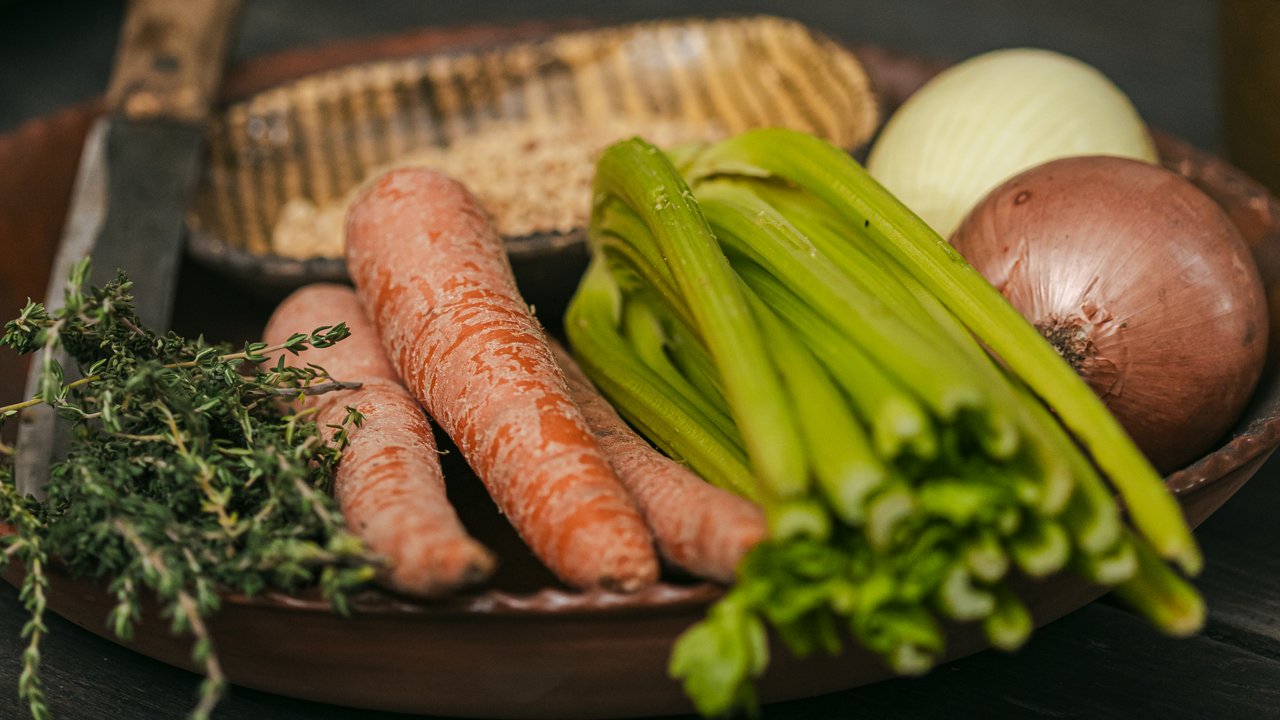
Much of a cookbook was dedicated to food items. From soups to various meat cakes, pastries to jellies, and desserts to dips, cookbooks contained a wide variety of recipes. Cookbook authors, particularly women, included recipes they had used and perfected for years. As such, the recipes were a compilation of the food they had prepared over long periods of time, for different people and occasions. These varied experiences meant the quantity and range of recipes they collected and tested was vast.1
The rest of a cookbook focused on household management, medicine, and supplies. While people today might make a quick trip to a store or make an online purchase for any number of items needed around their home, people in early America did not have that option. Even if a person lived in an urban area, the inventories of nearby stores were often limited. Thus, women were responsible for making supplies for the home, ranging from insect repellants to hair care, clothes dye, and even paint.2
Setting the Table
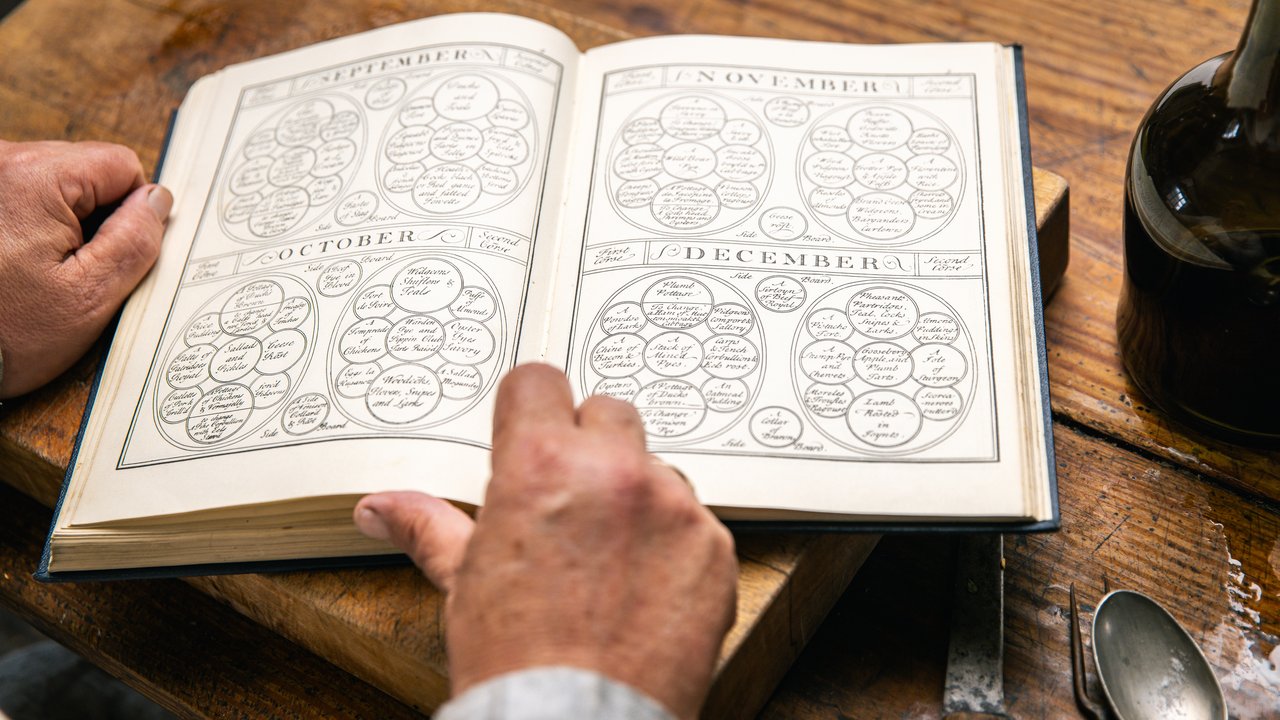
Many cookbooks included diagrams explaining how to arrange food on a table. Presentation was just as important as the food itself for those hoping to make an impression.
Cookbooks also contained recipes for medical care. During a time when a trained doctor might not be within reach, women were often considered a family’s first doctors. A variety of remedies, salves, ointments, and more made cookbooks a valuable source for a household’s health. More benign matters such as teeth whitening, baldness, or hiccups were covered in addition to minor ailments like colds, upset stomachs, coughs, burns, and heartburn. But recipes also addressed far more serious and complex conditions, including epilepsy, cancer, internal bleeding, miscarriages, paralysis, and whooping cough.3
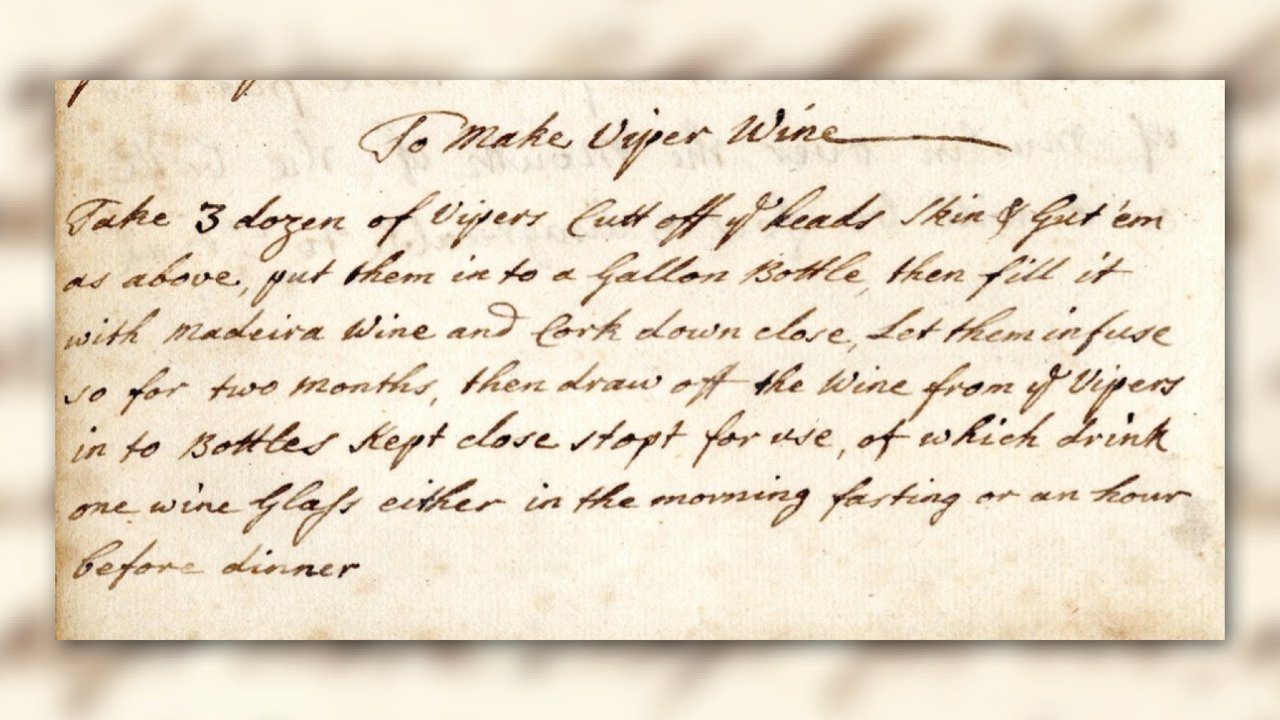
Wine With a Bite
Some recipes were truly unique. This recipe for a drink called viper wine instructed people to infuse wine with the heads of three dozen snakes for two months. It was likely drunk for some perceived health benefits.
Handwritten Recipes
Before the eighteenth century, colonists purchased relatively few printed cookbooks. Instead, colonists passed down cooking knowledge primarily through memory and oral tradition. Women would teach the next generations in their families what was taught to them. While literacy rates in the colonies were relatively high, writing was often not taught to young girls.4
As such, most colonial families did not have a handwritten cookbook in their possession. Instead, elite women, coming from families with the time and resources to dedicate to their education, more often created these documents. These handwritten cookbooks provide insight into elite culture and women. These women not only recorded their recipes but also marked the ones they and their families did and didn’t enjoy. They traded recipes, and as they passed these books down to other women in their families, cookbooks could take the form of a family history, showing the changing tastes, preferences, and needs of a household.5
The Washington Family Cookbook
Relatively few handwritten cookbooks from the seventeenth century survive. A cookbook belonging to Matha Washington stands out as a notable exception, and illustrates how these books were treasured and passed down in families.[6]
Unknown Origins
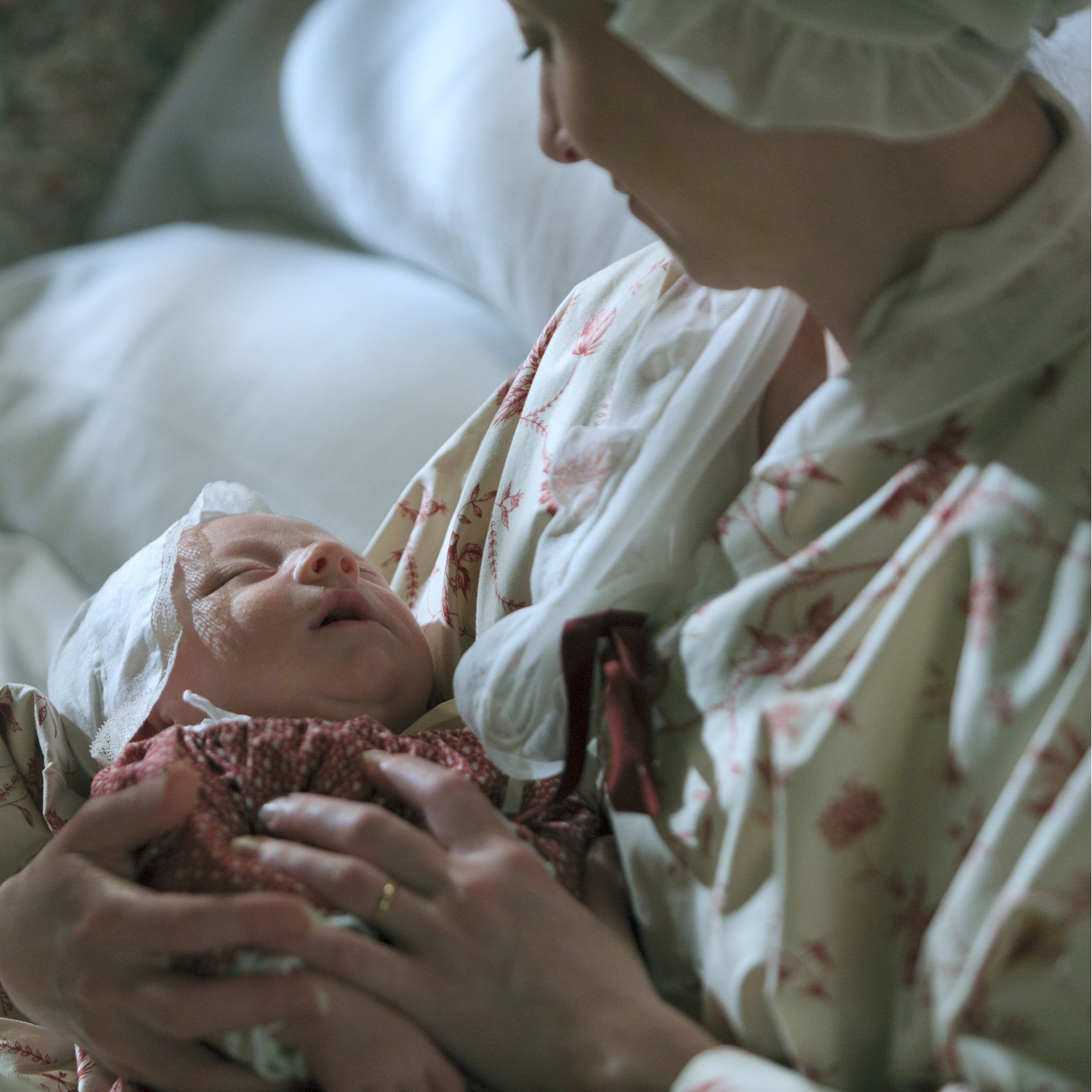
Frances Culpeper Berkeley, a member of Virginia’s earliest gentry class, likely began the family cookbook. She was married three times, including to Virginia’s long-term governor Sir William Berkeley, and commanded significant political power during her life. It’s unclear exactly when the cookbook began.[7]
Passed Down
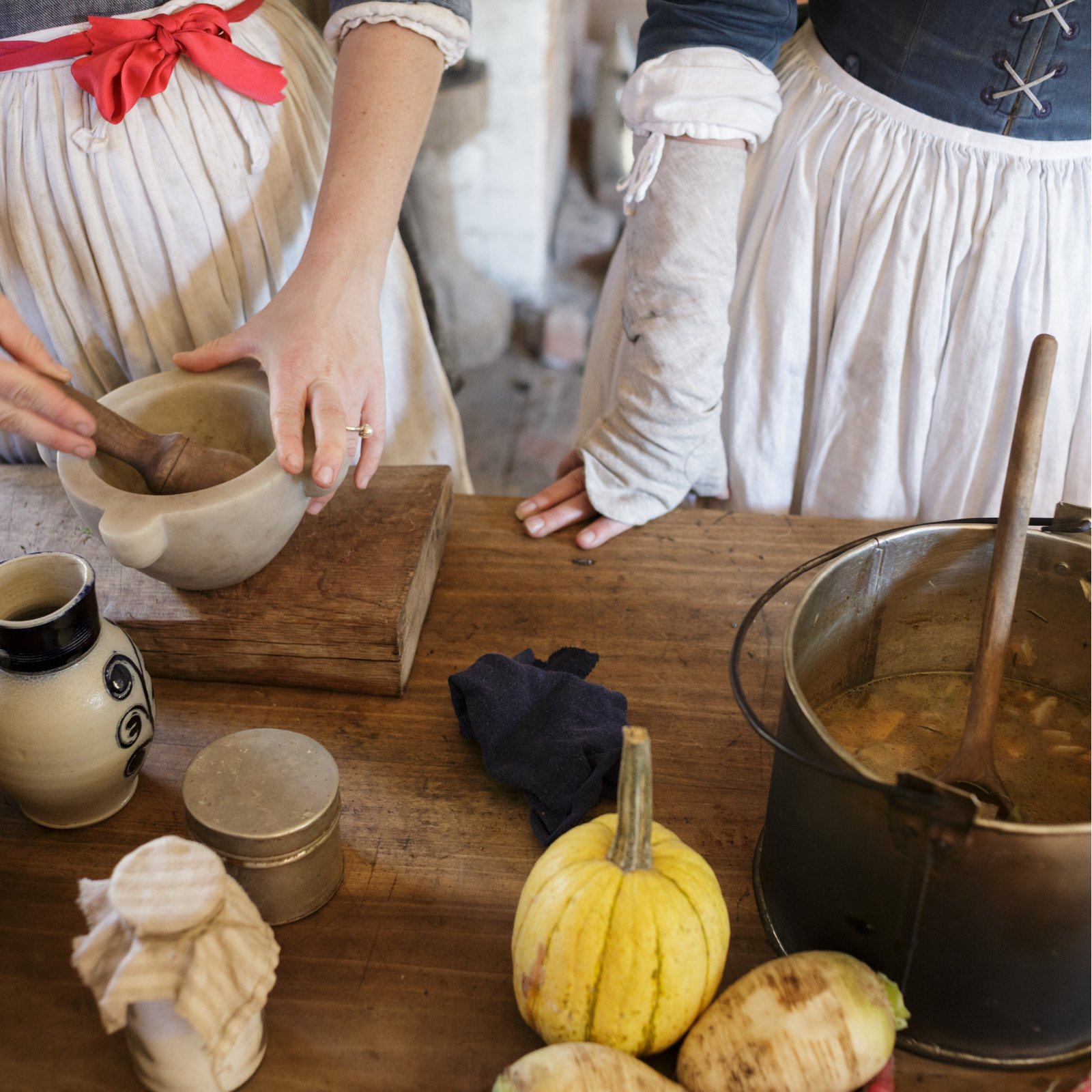
Cookbooks were often passed down from mother to daughter. Records don’t indicate Frances Culpeper Stephens Berkeley Ludwell had any children of her own. Instead, it appears the cookbook passed to her stepdaughter, Jane Ludwell Parke. Parke likely passed it to her daughter, Frances Parke Custis.[8]
A Broken Line of Succession
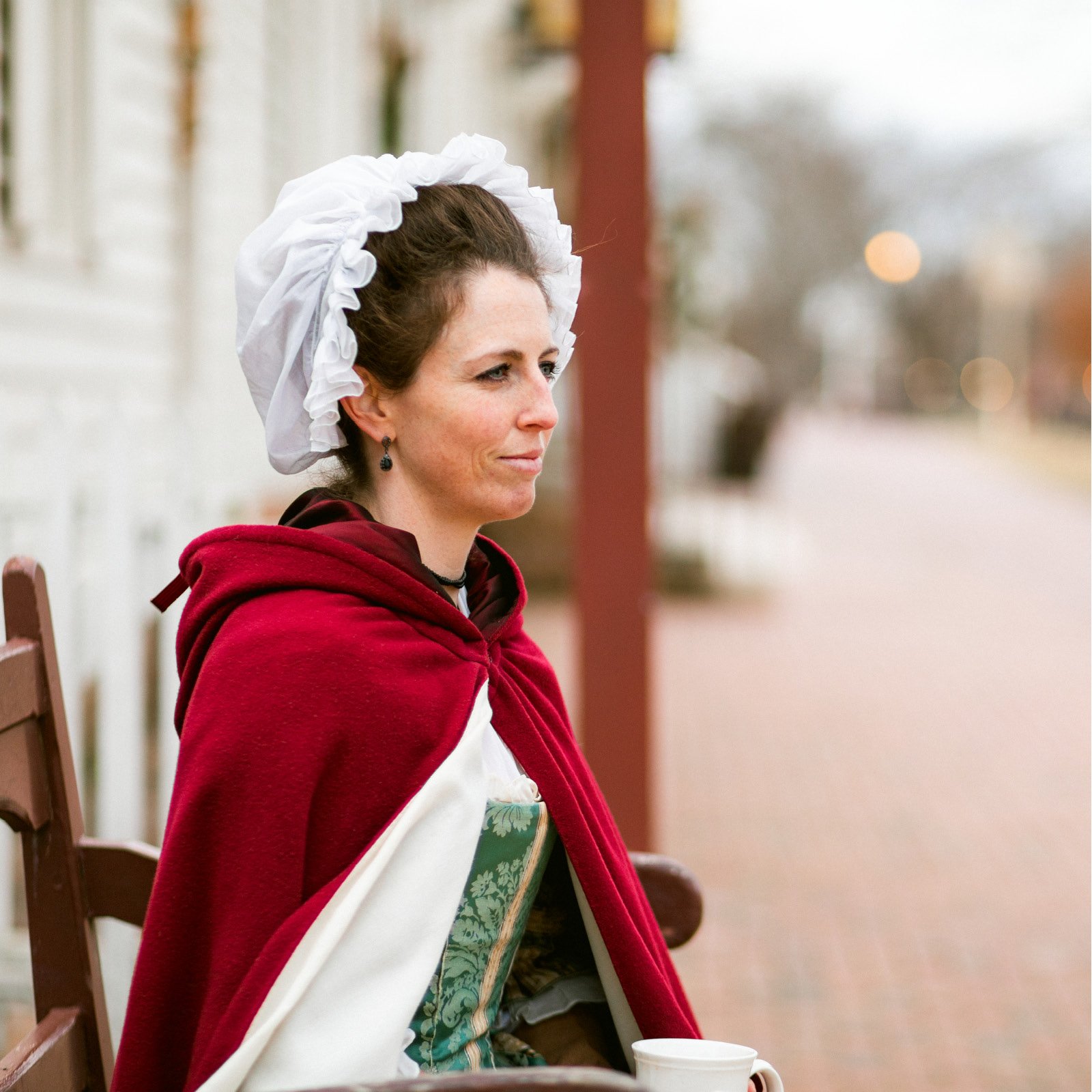
Frances Parke Custis died in 1714. Despite his low opinion of his wife, John Custis IV surprisingly kept her family cookbook. Their daughter, Frances, apparently never took the cookbook and died in 1744. Custis himself died in 1749, and if his son, Daniel, didn’t already have it by then, it would have passed to him.[9]
A New Cook
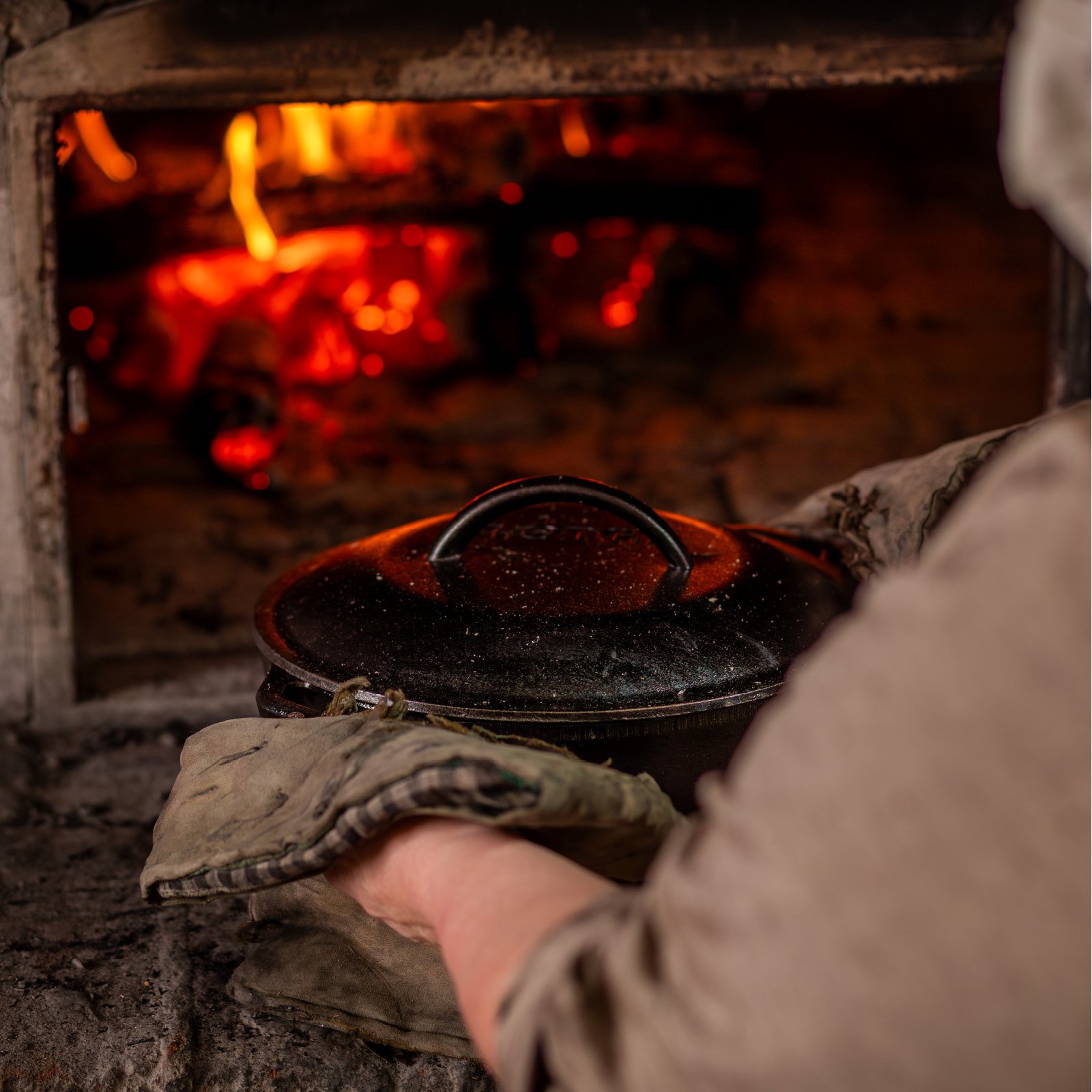
Daniel Custis married Martha Dandridge in 1750, and likely presented the family cookbook to her as its next owner. Their marriage was short lived, as Daniel died in 1757. Controlling the Custis estate, Martha instantly became Virginia’s most desirable widow. In 1759, she married George Washington.[10]
Washington Recipes
How Martha Washington used the cookbook is unknown. We do know, however, that she passed it along to her granddaughter, Eleanor Parke Custis Lewis. Likely given to her in 1799, the cookbook was well over a century old at that point, chronicling generations of family recipes.[11]
The Rise of Printed Cookbooks
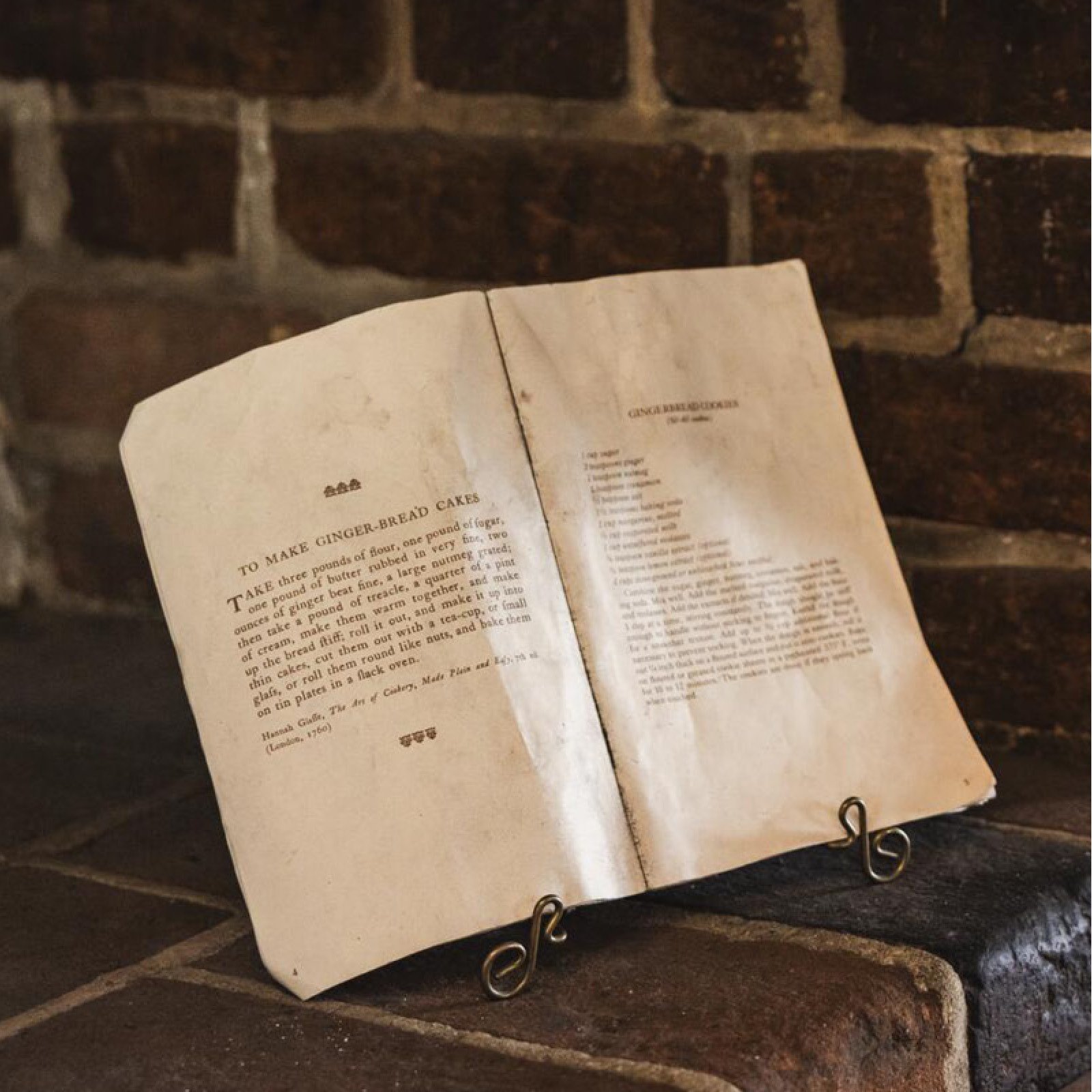
By the middle of the eighteenth century, printed cookbooks were becoming more available in the colonies. The first cookbook printed in the British colonies was Eliza Smith’s The Compleat Housewife. Originally published in 1727 in London, under the name E. Smith, the book became very popular. Spanning more than 300 pages, The Compleat Housewife went through more than a dozen printings.
In 1742, Williamsburg printer William Parks used the book’s fifth edition to make a uniquely American version.12 Instead of simply importing copies of the book, which was the usual practice, Parks decided to create an abridged version. Cutting almost one hundred pages, Parks explained he was foregoing recipes “the ingredients or materials for which are not to be had in this country.” Doing so, Parks continued, made the book much more affordable. A decisive business move, Parks’s printing of The Compleat Housewife would have still been prohibitively expensive for many colonists.13
So Many Recipes
Cookbooks contained a truly amazing variety of recipes. Many might seem odd to the modern reader.
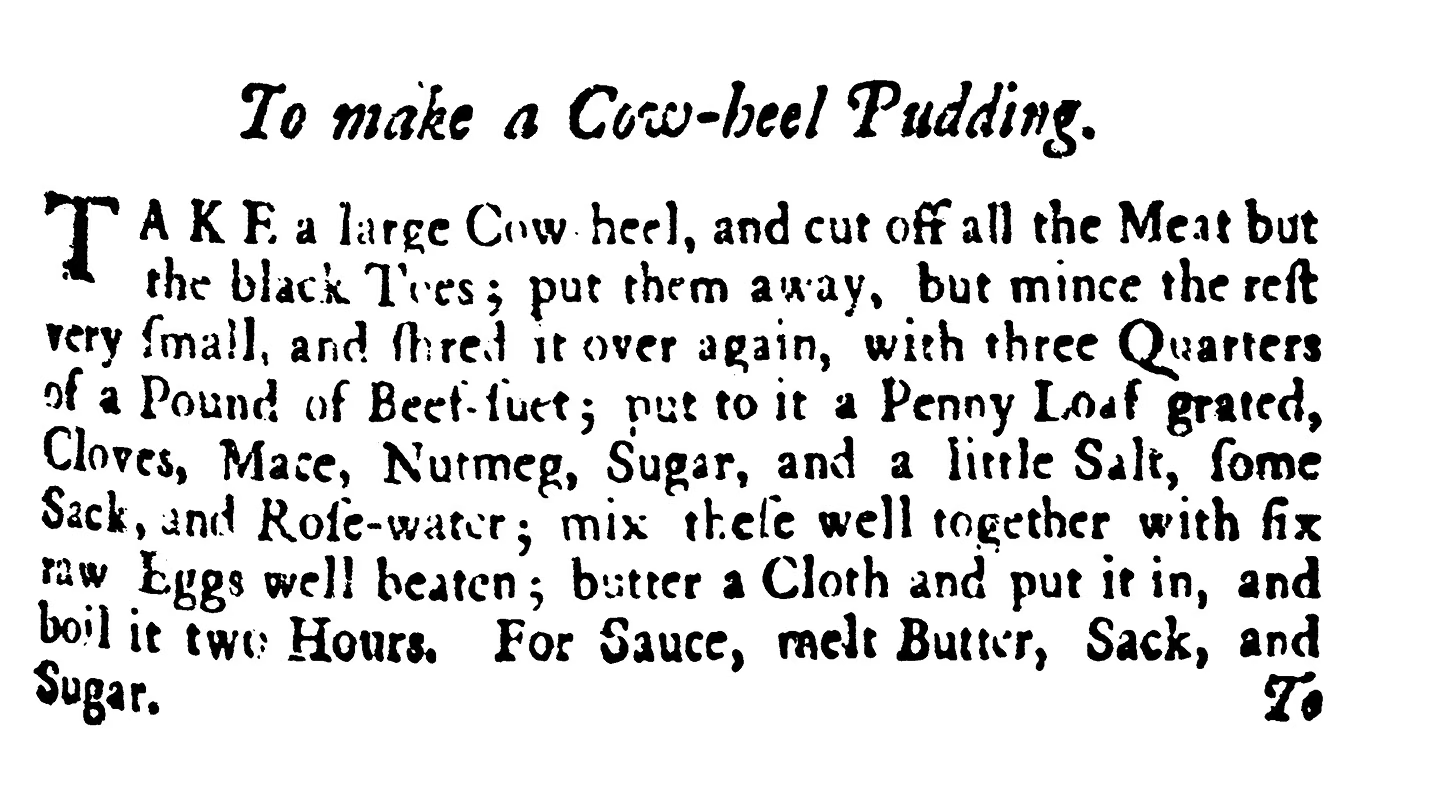
Have you ever heard of cow-heel pudding?
Making use of many parts of the animal, this cow heel pudding would have resembled a small cake, with sauce poured over.[14]
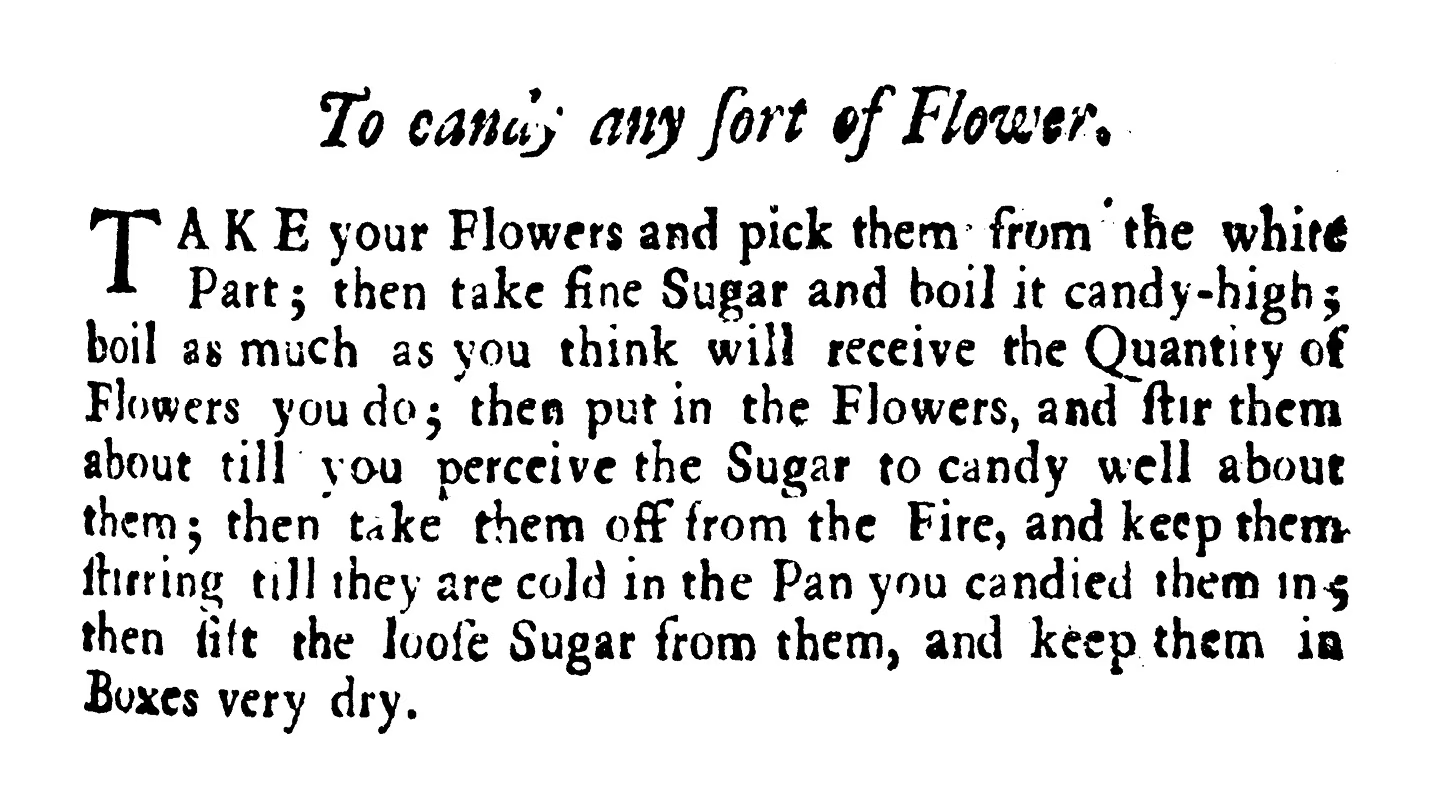
So many things to candy!
Candied flowers were a delicacy that could be used to decorate a meal and then eaten.[15]
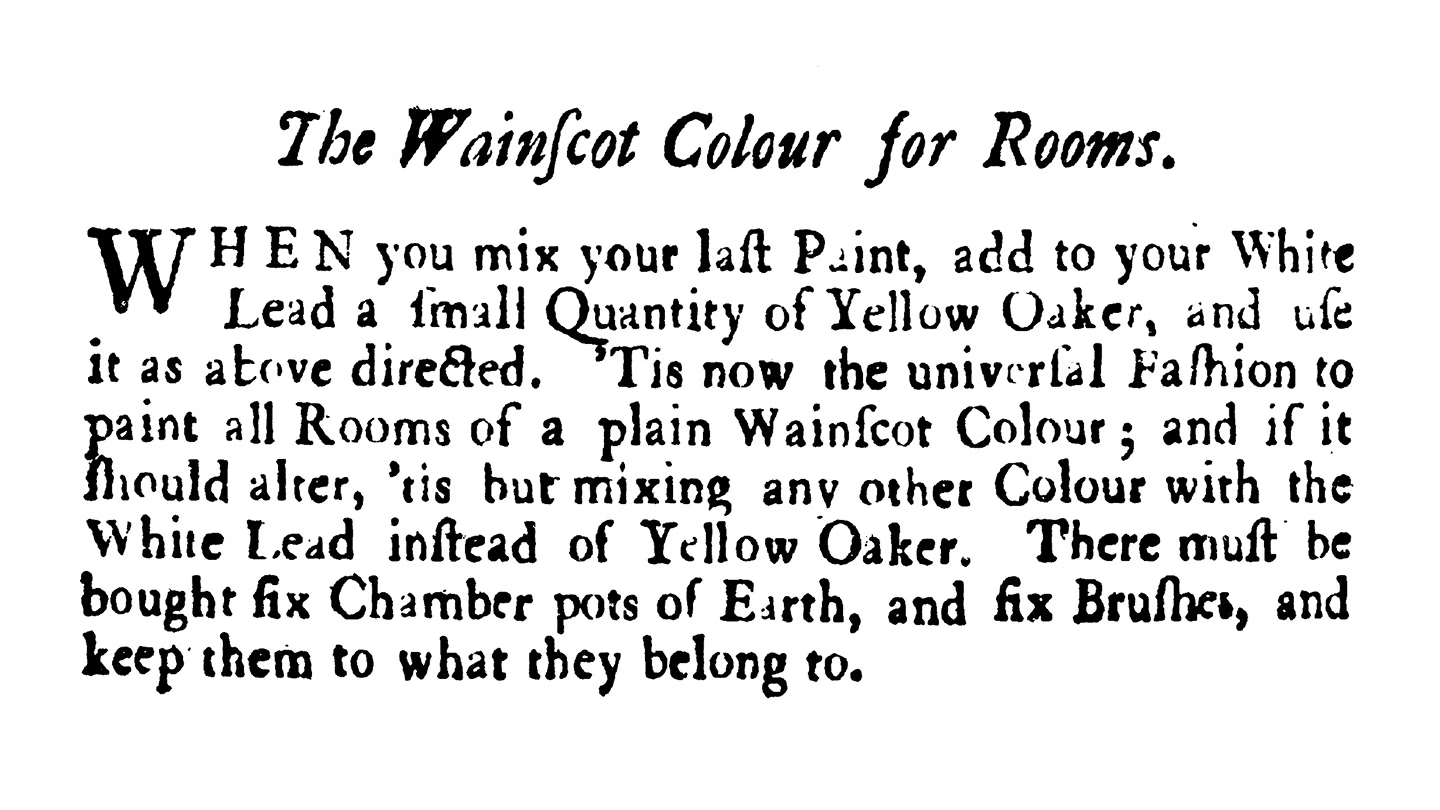
Have a room to paint?
Cookbooks contained a variety of recipes for food and non-food items. Even paint was included.[17]
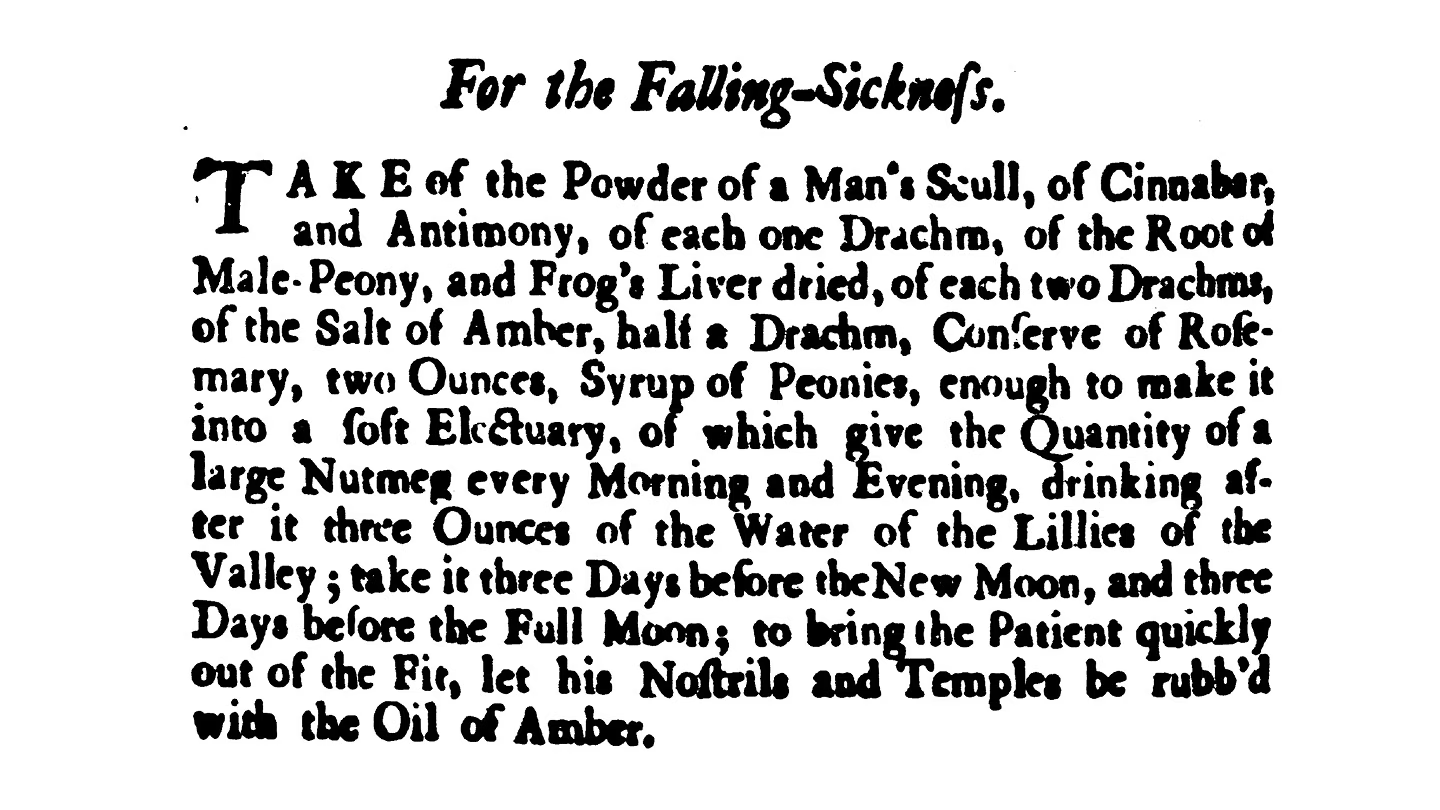
Medical advice next to desserts.
Household items weren’t the only non-food recipes in cookbooks, which also included medical treatments.[16]
While The Compleat Housewife was reprinted in Williamsburg, printers continued to import copies of various cookbooks. First published in 1747, Hannah Glasse’s The Art of Cookery eclipsed the popularity of The Compleat Housewife in England and sold well in the colonies. Surviving printing office records from 1764-1766 indicate at least twenty-seven copies were sold. Other cookbooks were also sold during this time, illustrating a sustained interest among those with the means to buy books. As printed cookbooks become more popular, Virginians' appetite for them only grew.18
By the end of the eighteenth century, the popularity of printed cookbooks was growing throughout the United States. As printing costs decreased, more books targeted the middling class, rather than just the elites. Literacy among women also increased, particularly for non-elite women. Cookbooks like Amelia Simmons’s American Cookery, published in 1796, were geared towards women of all classes, and incorporated cheaper and more readily available materials while using simpler language in recipes. Simmons’s cookbook was the first written by an American to be printed in the United States. The book, and others like it, enjoyed a place alongside treasured family cookbooks for generations of Americans.19
Historic Cooking
In a Historic Place
Hear from Colonial Williamsburg’s Historic Foodways tradespeople as they explain what and how people ate in the 18th century.
Sources
- Steven M. Tobias, “Early American Cookbooks as Cultural Artifacts,” Papers on Language & Literature 34, No. 1 (Winter 1998): 7, 10-12; E. Smith, The Compleat Housewife (William Parks, 1742); Kay K. Moss, Seeking the Historical Cook: Exploring Eighteenth-Century Southern Foodways (University of South Carolina Press, 2013), xi.
- Smith, The Compleat Housewife.
- Smith, The Compleat Housewife.
- Caylin Carbonell, “Into the Household of Joseph Bigelow: Growing up Unfree in Colonial New England,” in Julia M. Gossard and Holly N. S. White, eds., Engaging Children in Vast Early America (Routledge, 2025), 41; Lauren F. Winner, “The Foote sisters’ Compleat Housewife: cookery texts as a source in lived religion,” in Michelle DiMeo and Sara Pennell, eds., Reading and Writing Recipe Books, 1550-1800 (Manchester University Press, 2013), 135-156; Tobias, “Early American Cookbooks as Cultural Artifacts,” 9-11.
- Tobias, “Early American Cookbooks as Cultural Artifacts,” 11-12; Winner, “The Foote sisters,’ 137-138; Richard J. Hooker, ed., A Colonial Plantation Cookbook: The Receipt Book of Harriott Pinckney Horry, 1770 (University of South Carolina Press, 1984), 1-2; Elizabeth M. Scott, “‘A Little Gravy in the Dish and Onions in a Tea Cup’: What Cookbooks Reveal About Material Culture,” International Journal of Historical Archaeology 1, No. 2 (June 1997), 132.
- Janet Theophano, Eat My Words: Reading Women’s Lives Through the Cookbooks They Wrote (St. Martin’s Griffin, 2016), 87-90.
- Theophano, Eat My Words, 87-90.
- Theophano, Eat My Words, 87-90.
- Theophano, Eat My Words, 87-90; Jo Zuppan, “John Custis of Williamsburg, 1678-1749,” The Virginia Magazine of History and Biography90, No. 2 (April 1982): 177-197.
- Theophano, Eat My Words, 87-90; Zuppan, “John Custis of Williamsburg.”
- Theophano, Eat My Words, 87-90.
- Tobias, “Early American Cookbooks as Cultural Artifacts,” 10-11.
- Tobias, “Early American Cookbooks as Cultural Artifacts,” 10-11; Smith, The Compleat Housewife, vi; Marie Pellissier, “‘Of Colonial and Historic Flavor’: Food and Memory in Williamsburg, Virginia (PhD Diss., College of William and Mary, 2024).
- E. Smith, The Compleat Housewife (William Parks, 1742), 47.
- Smith, The Compleat Housewife, 113.
- Smith, The Compleat Housewife, 202.
- Smith, The Compleat Housewife, 226.
- Tobias, “Early American Cookbooks as Cultural Artifacts,” 10-11; Kevin J. Hayes, A Colonial Woman’s Bookshelf (University of Tennessee Press, 1996), 85-86.
- Wilson, “Amelia Simmons Fills a Need,” 19-21; Glynis Ridley, “The First American Cookbook,” Eighteenth-Century Life 23, No. 2 (May 1999), 120; Mary Tolford Wilson, “Amelia Simmons Fills a Need: American Cookery, 1796,” The William and Mary Quarterly 14, No. 1 (January 1957): 16-30.