Articles
Getting new clothing in the 18th century was much more of a participatory process than it is today.
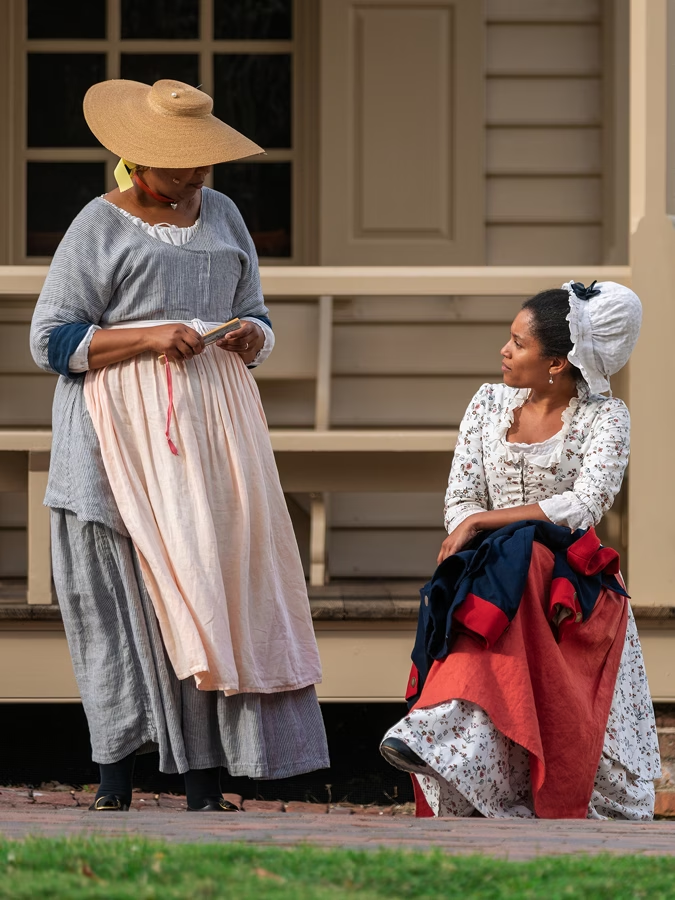
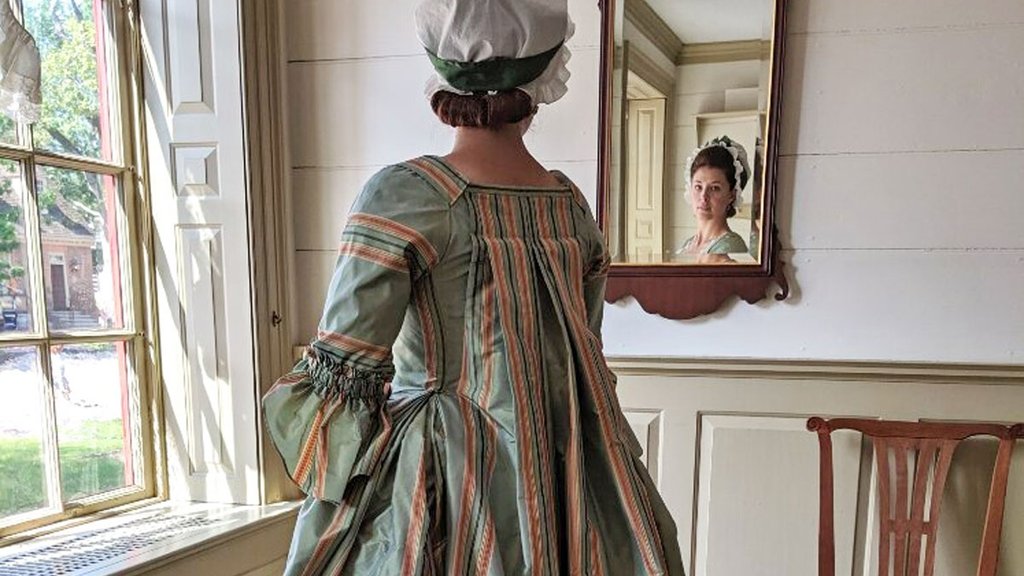
Clothing was not just about what or how someone wore an outfit. Materials, cuts, and more defined clothing’s perceived quality. Small details set people’s clothing apart and tell others how they should be treated, or at least how they expected to be treated.
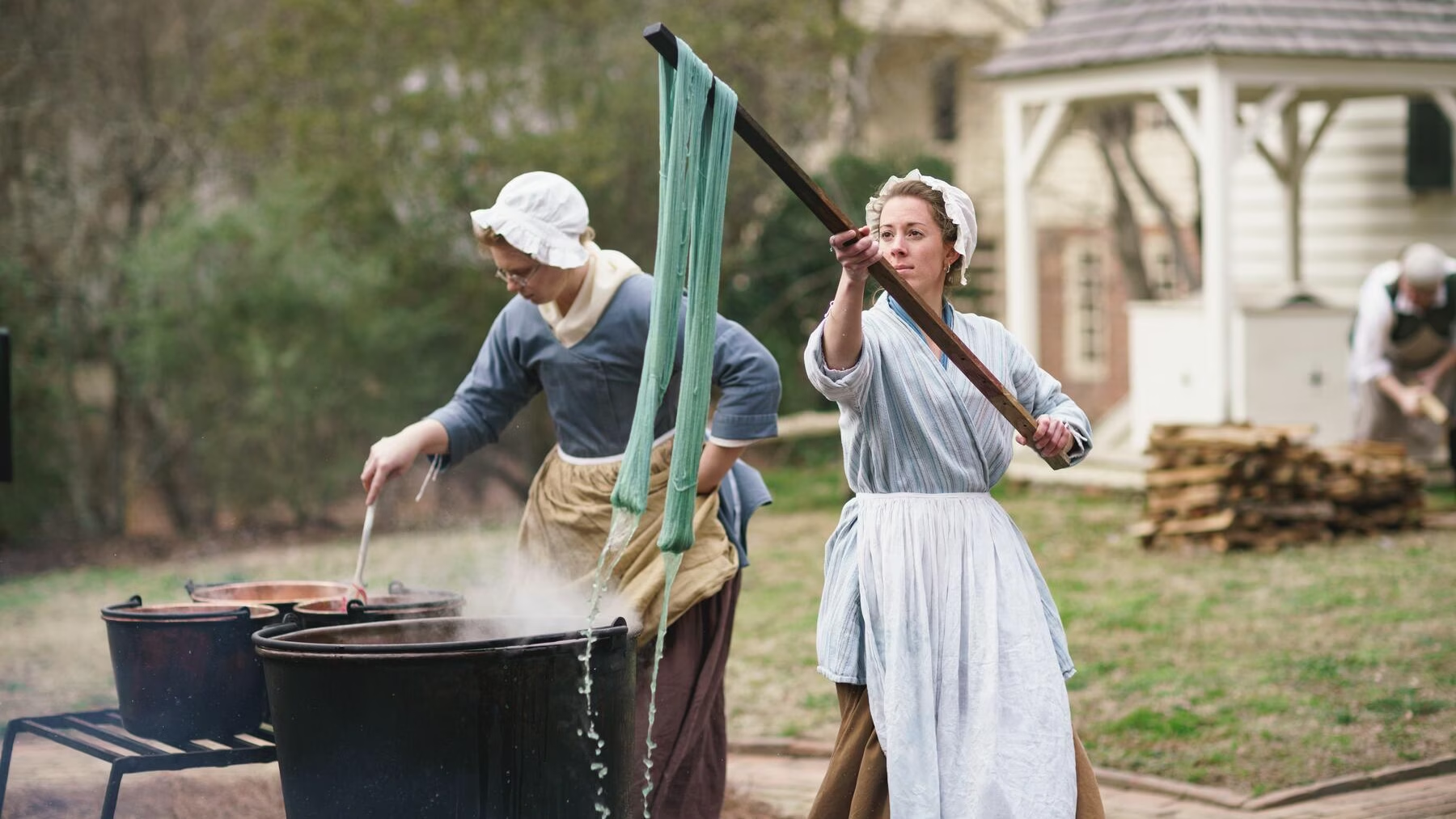
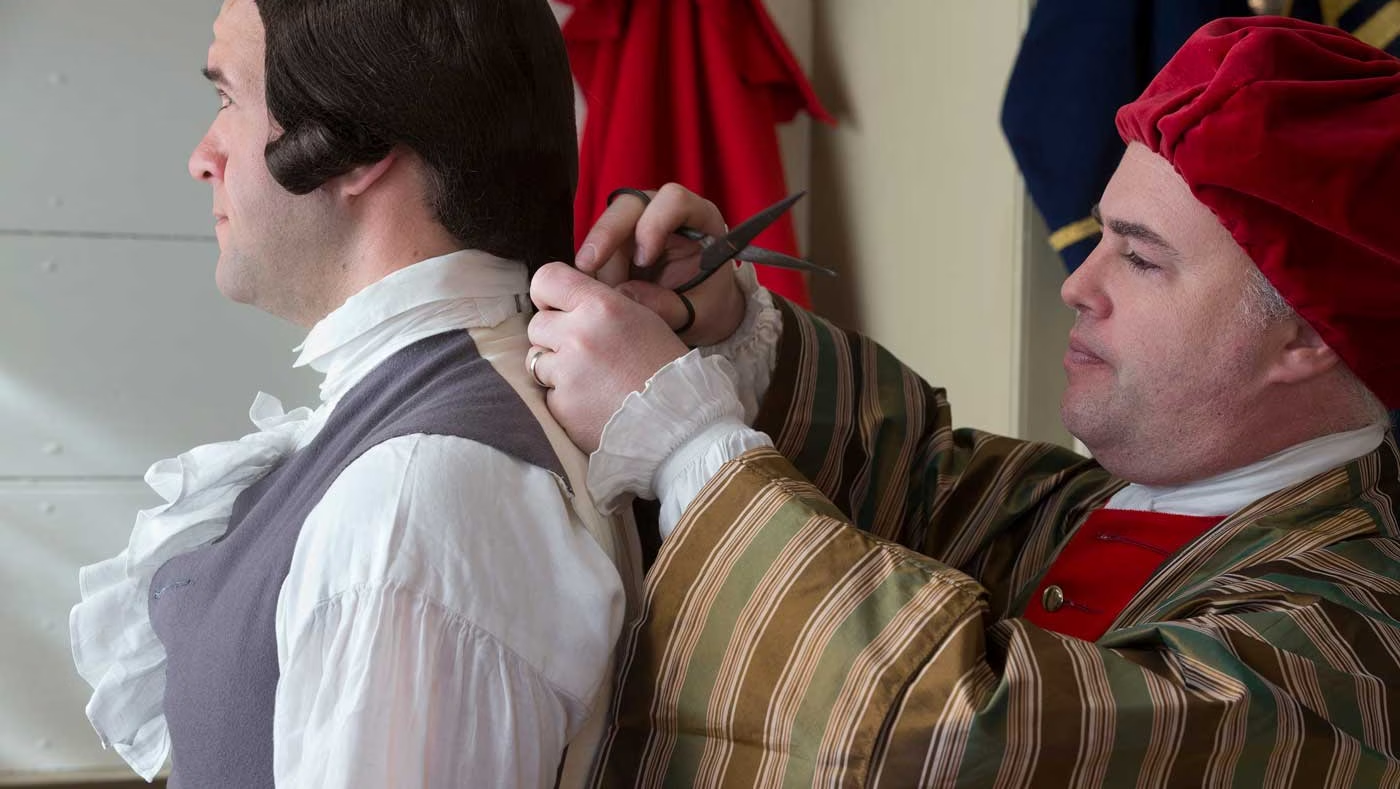
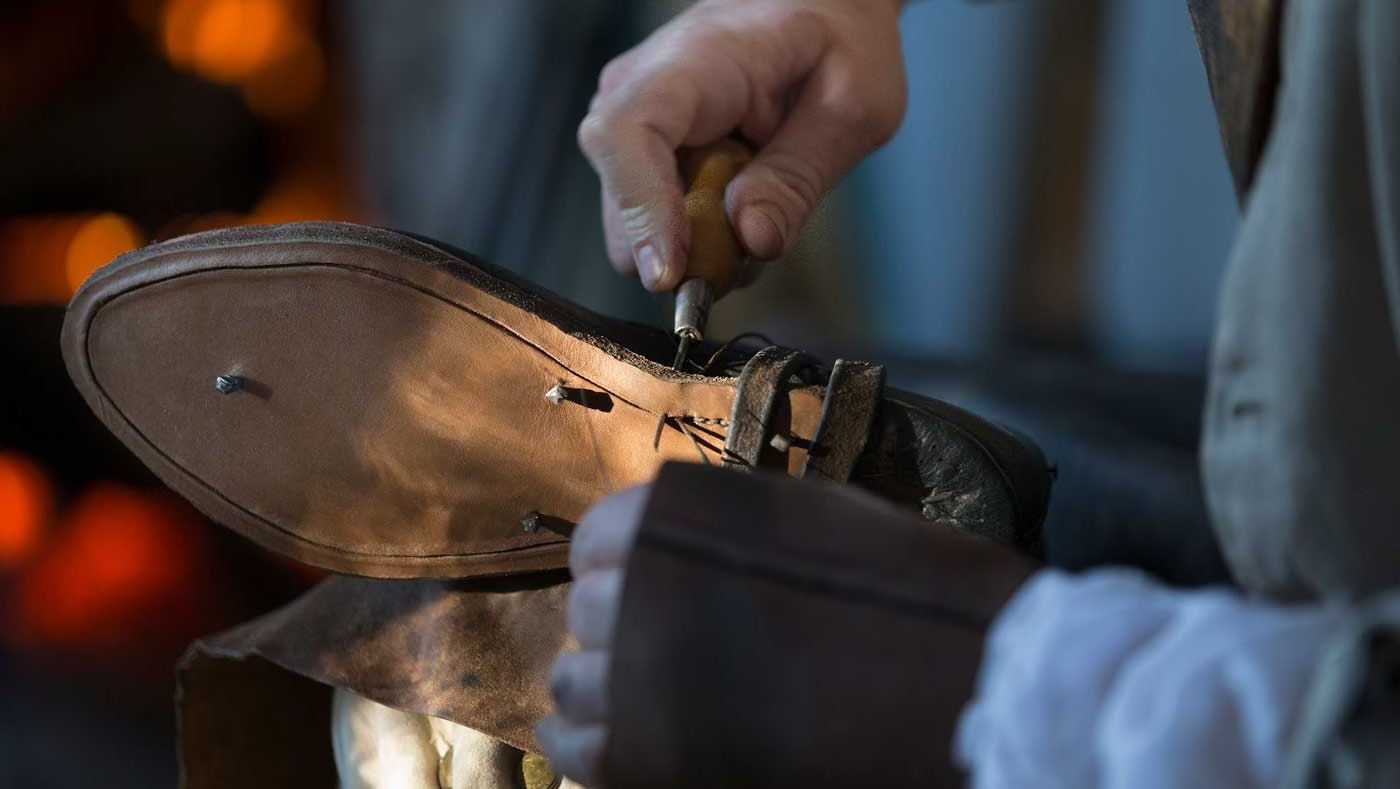
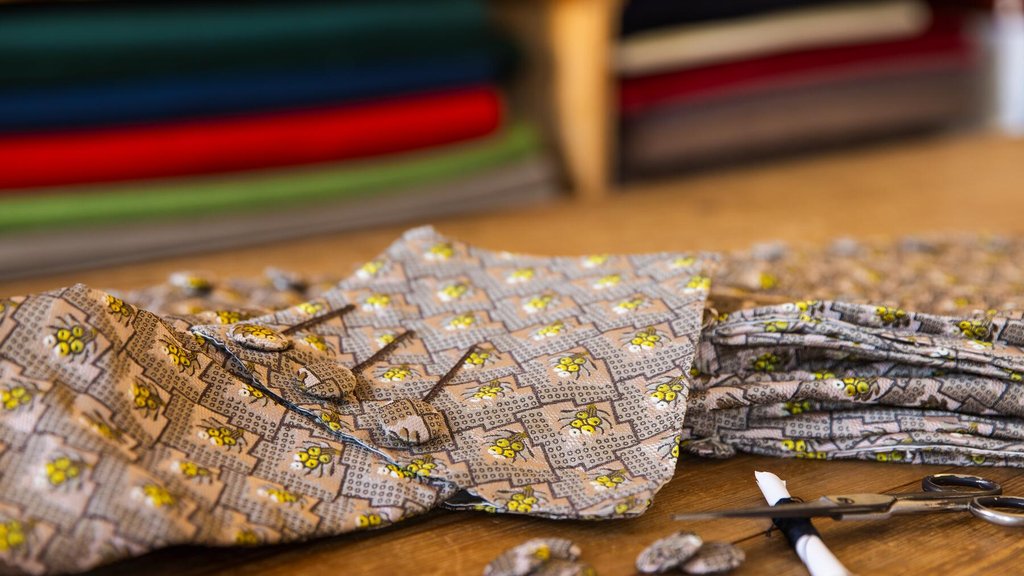
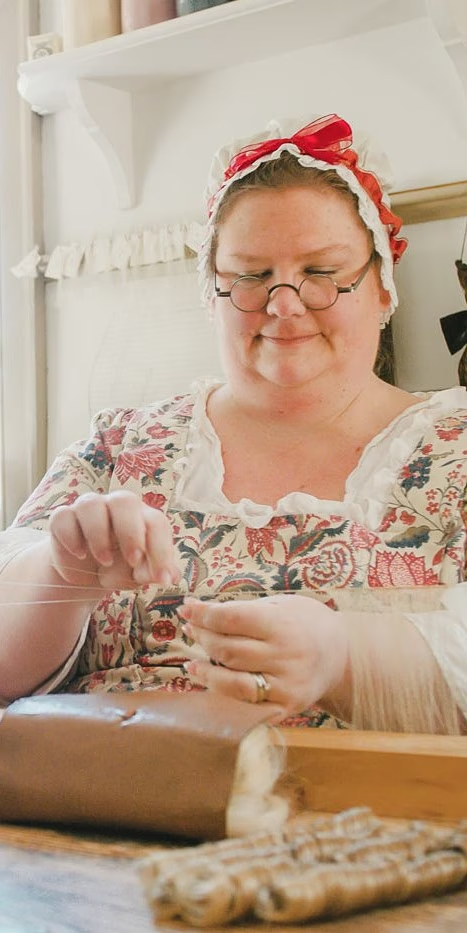
Trades shops were essential to keeping the members of their community clothed. From weavers and tailors to wigmakers and milliners, skilled tradespeople used their expertise to craft all sorts of apparel.
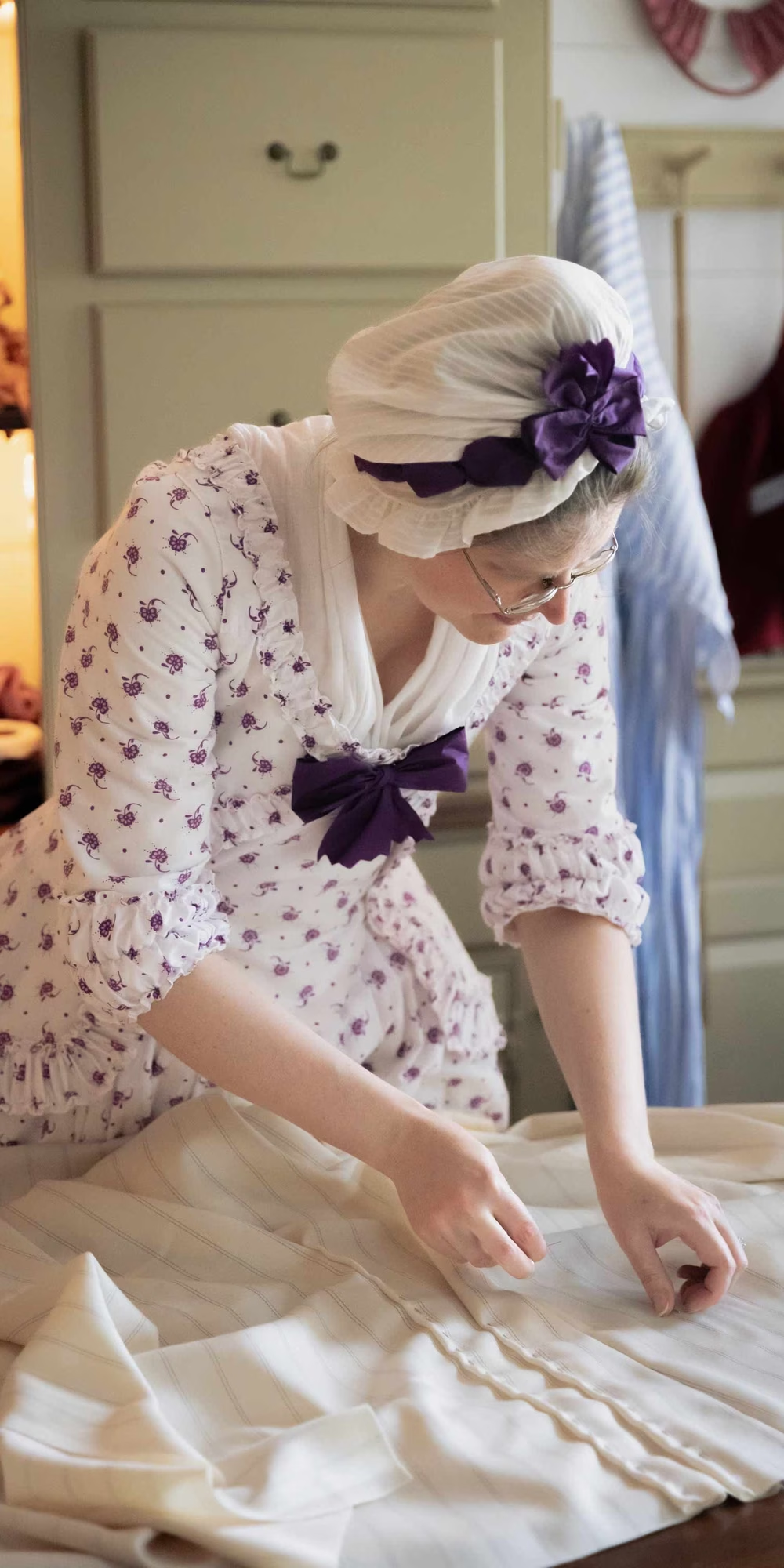
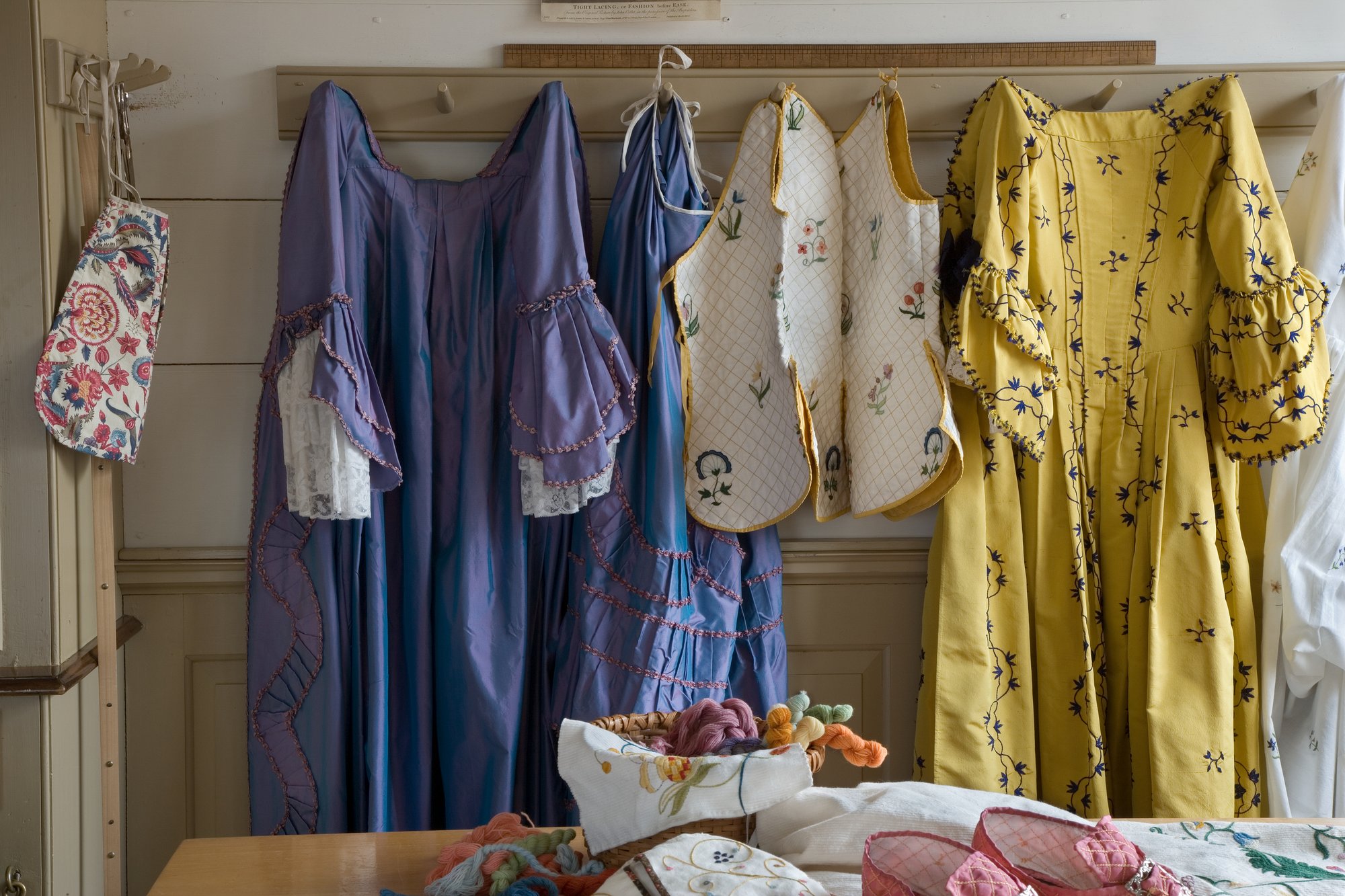
Fancy yourself an 18th-century customer as you shop for the latest ornaments and accessories. Consult with the mantua-maker about updating old gowns to the latest in 18th-century fashion.
We recommend planning to spend at least 10 minutes at this site, but we welcome you to explore at your own pace.
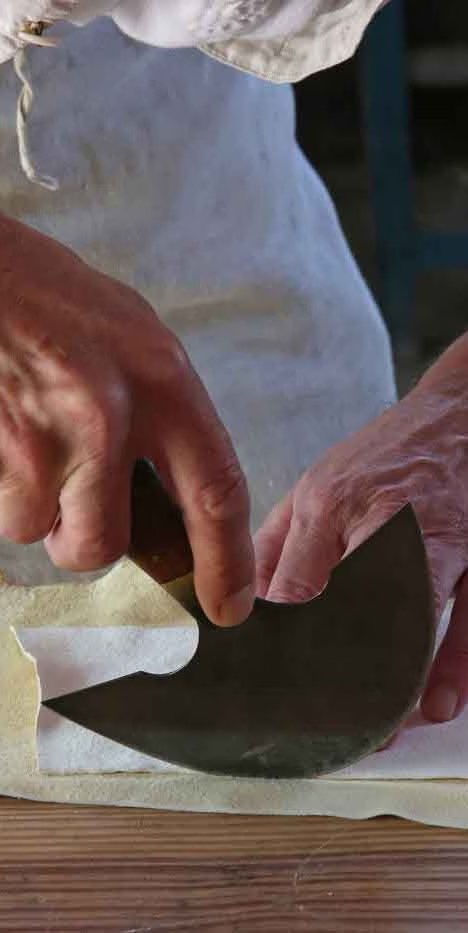
How were men's shoes made before modern glues and rubber soles? Meet some of the last shoemakers who work entirely by hand and watch them make everyday and fancy footwear. In the same workshop, discover the practice and history of one of the 18th century's most common garments, leather breeches. The shop follows the trade in all branches: making, mending, and cleaning leather breeches.
We recommend planning to spend at least 10 minutes at this site, but we welcome you to explore at your own pace.
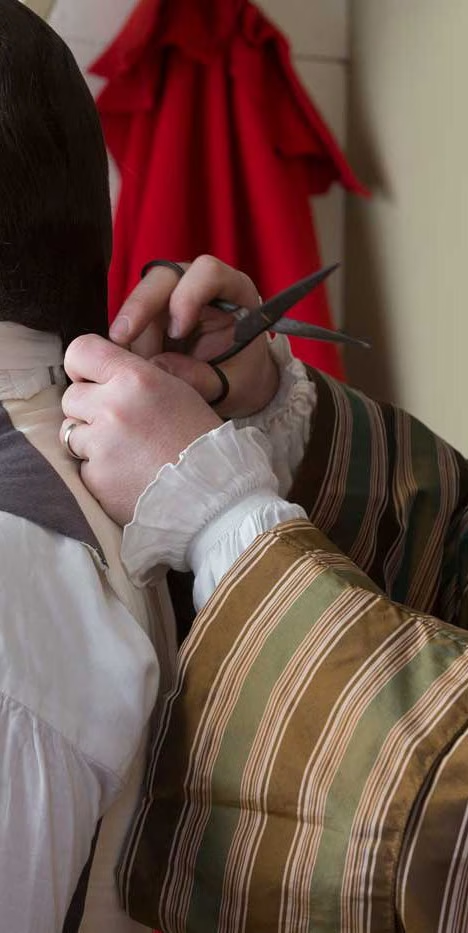
View a variety of fabrics and garments that clothed colonial Americans, from elegant suits in the latest London styles to the sturdy uniforms of Revolutionary soldiers. Interact with the tailors as they measure customers and create clothing using 18th-century methods.
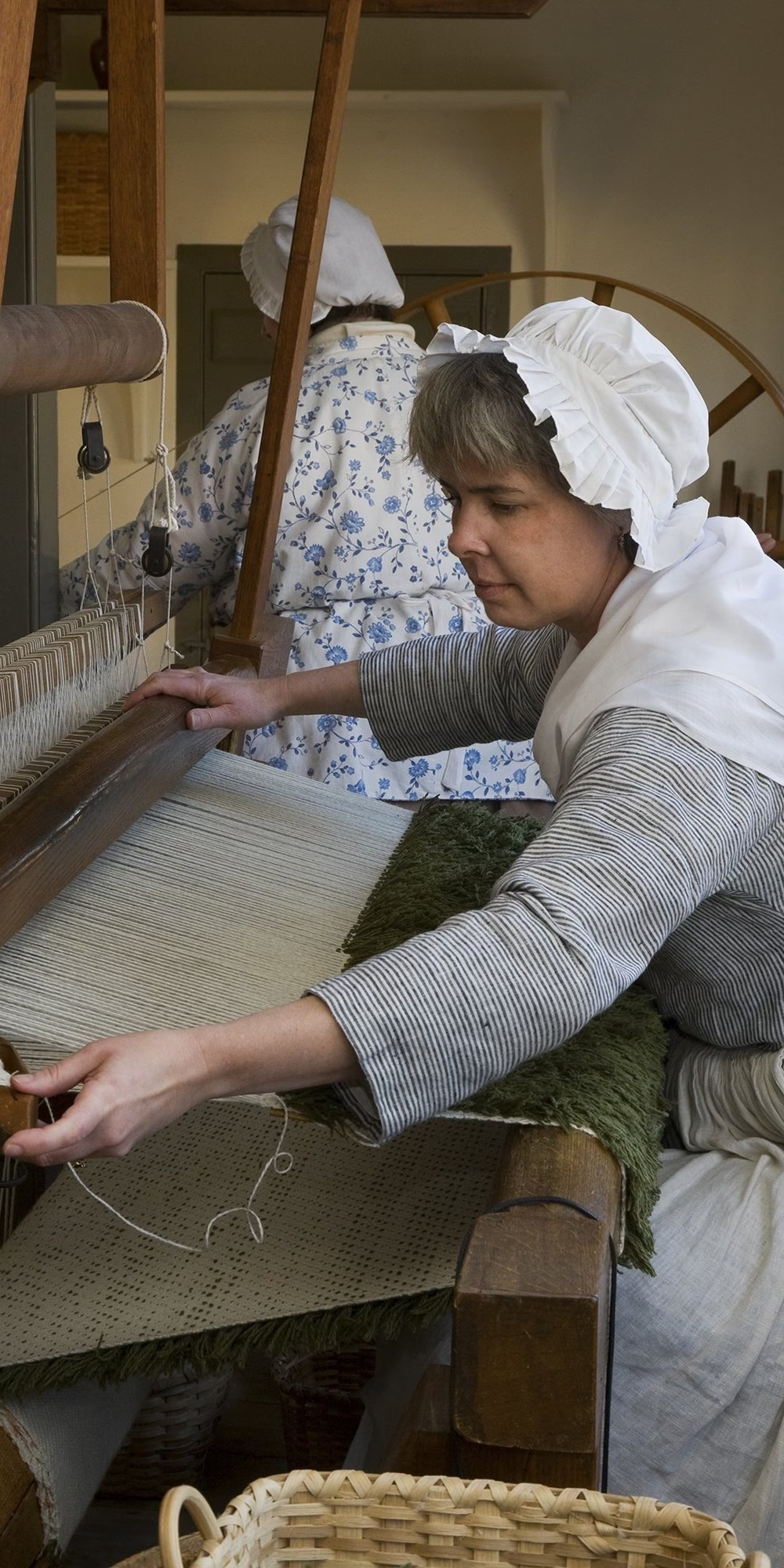
When English imports were cut off by the Revolution, local weavers came forward to fill the need for everyday items. Watch how flax, cotton, and wool are converted from tangled masses into orderly, precise fabrics—ranging from simple linens for shirts and shifts to blankets, towels, dyed wool for needlework, and stout woolens for military uniforms.
We recommend planning to spend at least 10 minutes at this site, but we welcome you to explore at your own pace.
Routinely wearing a wig may seem strange to us, especially for men, but it communicated the wearer's elegance, his station in society and even his occupation. With the skill of a barber and hairdresser combined, our wigmakers fashion "perukes" of quality and distinction.
We recommend planning to spend at least 10 minutes at this site, but we welcome you to explore at your own pace.
Explore the world of 18th-century clothing with our Colonial Fashion playlist on YouTube. Learn how people in all levels of society dressed, the skills it takes to work in an apparel trade and how colonial fashion is handled and preserved today.
Getting new clothing in the 18th century was much more of a participatory process than it is today.
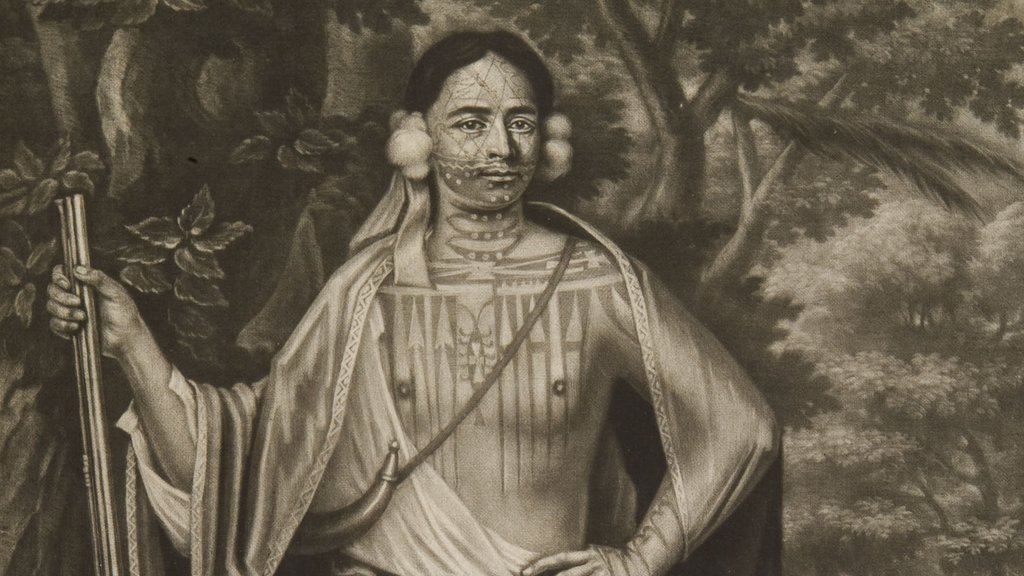
Tattooing is an ancient practice, which goes back as far as eight thousand years.